Tag: sustainability

  • Understanding Asset Portfolio Management in Asset Management 

    Understanding Asset Portfolio Management in Asset Management 

    Understanding Asset Portfolio Management in Asset Management 

    In the world of asset management, the concept of an asset portfolio is crucial. Organizations that rely on physical assets—whether in manufacturing, energy, transportation, or utilities—must manage them strategically to maximize value, minimize risk, and ensure long-term sustainability. Just as investors manage a financial portfolio to balance risk and return, businesses must manage their asset portfolio to align with operational and financial goals. 

    What is an Asset Portfolio? 

    An asset portfolio refers to the collection of physical assets that an organization owns and operates. This includes everything from buildings, machinery, and vehicles to infrastructure and technology systems. Managing these assets as a portfolio rather than as standalone items enables organizations to make informed, strategic decisions about investments, maintenance, and asset lifecycle management. 

    Asset portfolio management is a key component of enterprise asset management (EAM) and helps organizations optimize asset performance while ensuring alignment with business objectives. 

    Why is Asset Portfolio Management Important? 

    1. Strategic Decision-Making

    A well-managed asset portfolio enables organizations to prioritize investments based on the criticality of assets, risk exposure, and financial impact. Not all assets are equally important—some directly impact production or service delivery, while others are secondary. 

    By categorizing assets into a portfolio framework, organizations can: 

    • Identify which assets require immediate attention (e.g., aging infrastructure or high-failure equipment). 
    • Determine which assets should be upgraded, replaced, or decommissioned. 
    • Balance short-term maintenance costs with long-term capital investments. 
    1. Risk Management and Resilience

    Managing assets as a portfolio allows organizations to evaluate and mitigate risks. This includes: 

    • Asset failure risks – Identifying high-risk assets that could cause operational disruptions. 
    • Regulatory risks – Ensuring compliance with safety and environmental regulations. 
    • Financial risks – Avoiding unexpected expenses due to poor asset performance or premature failures. 

    By implementing predictive maintenance and condition monitoring, organizations can proactively address risks and prevent costly breakdowns. 

    1. Lifecycle Cost Optimization

    Every asset has a lifecycle, from acquisition and operation to maintenance and disposal. An effective asset portfolio strategy ensures that organizations: 

    • Extend asset life through proactive maintenance. 
    • Minimize total cost of ownership (TCO) by balancing maintenance, energy, and operational costs. 
    • Optimize capital expenditures by replacing assets at the right time to avoid unnecessary spending. 

    For example, a manufacturing company might find that upgrading to energy-efficient machinery reduces long-term operational costs, even if the initial capital investment is high. 

    1. Performance Monitoring and Data-Driven Insights

    A data-driven approach to asset portfolio management helps organizations track key performance indicators (KPIs) such as: 

    • Asset utilization rates. 
    • Maintenance costs vs. asset value. 
    • Downtime and reliability statistics. 

    Leveraging a Computerized Maintenance Management System (CMMS) or Enterprise Asset Management (EAM) software, organizations can gain real-time insights into asset performance and make better investment decisions. 

    1. Sustainability and Environmental Impact

    As businesses face increasing pressure to reduce their carbon footprint, asset portfolio management plays a key role in sustainability efforts. Organizations can: 

    • Identify high-energy-consuming assets and replace them with greener alternatives. 
    • Implement recycling and waste reduction strategies for asset disposal. 
    • Ensure compliance with environmental regulations and industry standards. 

    By integrating sustainability goals into asset portfolio management, companies improve efficiency while reducing their environmental impact. 

    How to Implement an Effective Asset Portfolio Strategy 

    1. Categorize Assets by Criticality – Determine which assets are mission-critical vs. non-essential, allowing for better prioritization of resources. 
    2. Evaluate Asset Condition and Performance – Use data from maintenance records, IoT sensors, and inspections to assess which assets need repairs, upgrades, or replacements. 
    3. Align Asset Management with Business Goals – Ensure asset decisions support broader corporate objectives, such as cost reduction, reliability improvement, or sustainability initiatives. 
    4. Leverage Technology for Portfolio Optimization – Implement EAM and CMMS solutions to collect, analyze, and manage asset data efficiently. 
    5. Continuously Review and Adjust the Portfolio – Asset needs change over time, so organizations must regularly assess and optimize their asset portfolio strategy. 

    Conclusion 

    Managing an asset portfolio is not just about maintaining individual assets—it’s about taking a holistic, strategic approach to maximize the value, efficiency, and longevity of all assets within an organization. A well-structured asset portfolio strategy improves decision-making, reduces risks, controls costs, and aligns asset management with overall business objectives. 

    By leveraging technology, data analytics, and proactive maintenance practices, organizations can transform asset management into a competitive advantage—ensuring long-term success and sustainability in an ever-evolving business landscape.

    Need help building your strategy? Reach out at localhost/RX-Revamp/contact

  • The Importance of an Asset Management Policy in Overall Asset Management 

    The Importance of an Asset Management Policy in Overall Asset Management 

    The Importance of an Asset Management Policy in Overall Asset Management 

    Asset management is a critical function in any organization that relies on physical assets to deliver products or services. Whether in manufacturing, utilities, transportation, or facilities management, the ability to maximize asset performance while minimizing costs and risks is key to long-term success. However, effective asset management doesn’t happen by chance—it requires a structured approach. This is where an Asset Management Policy becomes essential. 

    An Asset Management Policy serves as the foundation for an organization’s asset management strategy. It defines the principles, objectives, and guidelines that govern how assets are acquired, maintained, and retired. Without a clear policy, asset management can become inconsistent, reactive, and inefficient. 

    What is an Asset Management Policy? 

    An Asset Management Policy is a high-level document that outlines an organization’s commitment to asset management. It provides direction and purpose for how assets should be managed throughout their lifecycle, ensuring alignment with business objectives. 

    A well-defined policy typically includes: 

    • The organization’s asset management vision and objectives 
    • The scope of asset management (e.g., which assets are covered) 
    • Roles and responsibilities of different departments and personnel 
    • The principles and standards guiding asset-related decisions 
    • A commitment to continuous improvement and risk management 

    This policy acts as a guiding framework that ensures all asset-related activities support the organization’s goals. 

    Why is an Asset Management Policy Important? 

    1. Ensures Alignment with Business Objectives

    Every organization has strategic goals, whether it’s improving reliability, reducing operational costs, enhancing safety, or meeting sustainability targets. An Asset Management Policy ensures that asset management decisions are aligned with these broader business objectives. 

    For example, if an organization prioritizes sustainability, the policy may emphasize energy-efficient assets, responsible disposal methods, and lifecycle costing to support environmental goals. 

    1. Promotes Consistency and Standardization

    Without a formal policy, asset management practices can vary across departments, facilities, or even teams. This inconsistency can lead to inefficiencies, missed maintenance, and poor decision-making. 

    An Asset Management Policy establishes standardized procedures for asset acquisition, maintenance, utilization, and disposal. This ensures that best practices are followed organization-wide, leading to more predictable and reliable outcomes. 

    1. Improves Risk Management and Compliance

    Assets come with inherent risks—equipment failures, regulatory non-compliance, safety hazards, and financial risks. A well-structured policy helps organizations identify, assess, and mitigate these risks. 

    Industries subject to regulations (such as healthcare, aviation, or utilities) must demonstrate compliance with standards like ISO 55001 (Asset Management) or industry-specific regulations. A policy ensures that the organization has a clear framework to meet compliance requirements and avoid penalties. 

    1. Optimizes Asset Lifecycle Costs

    A major component of asset management is controlling costs—not just the initial purchase price, but the total cost of ownership (TCO). A good policy promotes lifecycle thinking, ensuring that organizations consider: 

    • Acquisition costs 
    • Maintenance and operation expenses 
    • Energy consumption 
    • Depreciation and asset disposal 

    This holistic approach helps prevent excessive spending on reactive repairs and emergency replacements, leading to better financial planning and cost savings. 

    1. Enhances Maintenance and Reliability Strategies

    A policy-driven asset management approach supports proactive maintenance strategies, such as Preventive Maintenance (PM) and Predictive Maintenance (PdM). Instead of reacting to failures, organizations can implement structured maintenance plans to: 

    • Reduce unplanned downtime 
    • Extend asset lifespan 
    • Improve safety and operational efficiency 

    By embedding reliability-centered maintenance principles in the policy, organizations can ensure that maintenance activities are well-planned and data-driven. 

    1. Drives Continuous Improvement

    Asset management is not a one-time effort—it requires ongoing refinement to adapt to new challenges, technologies, and business needs. A policy sets the expectation that asset management will be continuously monitored, reviewed, and improved. 

    For example, an organization might: 

    • Use performance metrics (KPIs) to assess asset effectiveness 
    • Implement Root Cause Analysis (RCA) to prevent recurring failures 
    • Leverage technology like CMMS or IoT sensors for smarter asset monitoring 

    This culture of continuous improvement ensures that the asset management strategy evolves with the business. 

    Conclusion 

    An Asset Management Policy is not just a document—it’s a strategic tool that drives efficiency, cost-effectiveness, and reliability in asset management. It provides alignment, standardization, risk control, and long-term value by ensuring that all asset-related decisions support the organization’s broader objectives. 

    Without a policy, asset management can become fragmented, reactive, and costly. But with a well-defined policy, organizations can establish a structured, proactive, and data-driven approach to managing their most valuable assets. Whether you’re in maintenance, operations, or leadership, having a clear Asset Management Policy is essential for sustained success and operational excellence. 

    Ready to take control of your asset strategy? Don’t let inefficiencies, reactive maintenance, or missed compliance put your operations at risk. ReliabilityX can help you build, refine, and implement a policy that drives real results. Whether you’re starting from scratch or optimizing an existing framework, our experts are here to guide you. Contact us today to schedule a consultation, explore our training options, and make the most of your remaining budget before the year ends. Your assets deserve better and so does your bottom line. www.reliabilityx.com/contact 

  • The Necessity of True Change Management in Maintenance

    The Necessity of True Change Management in Maintenance

    The Necessity of True Change Management in Maintenance 

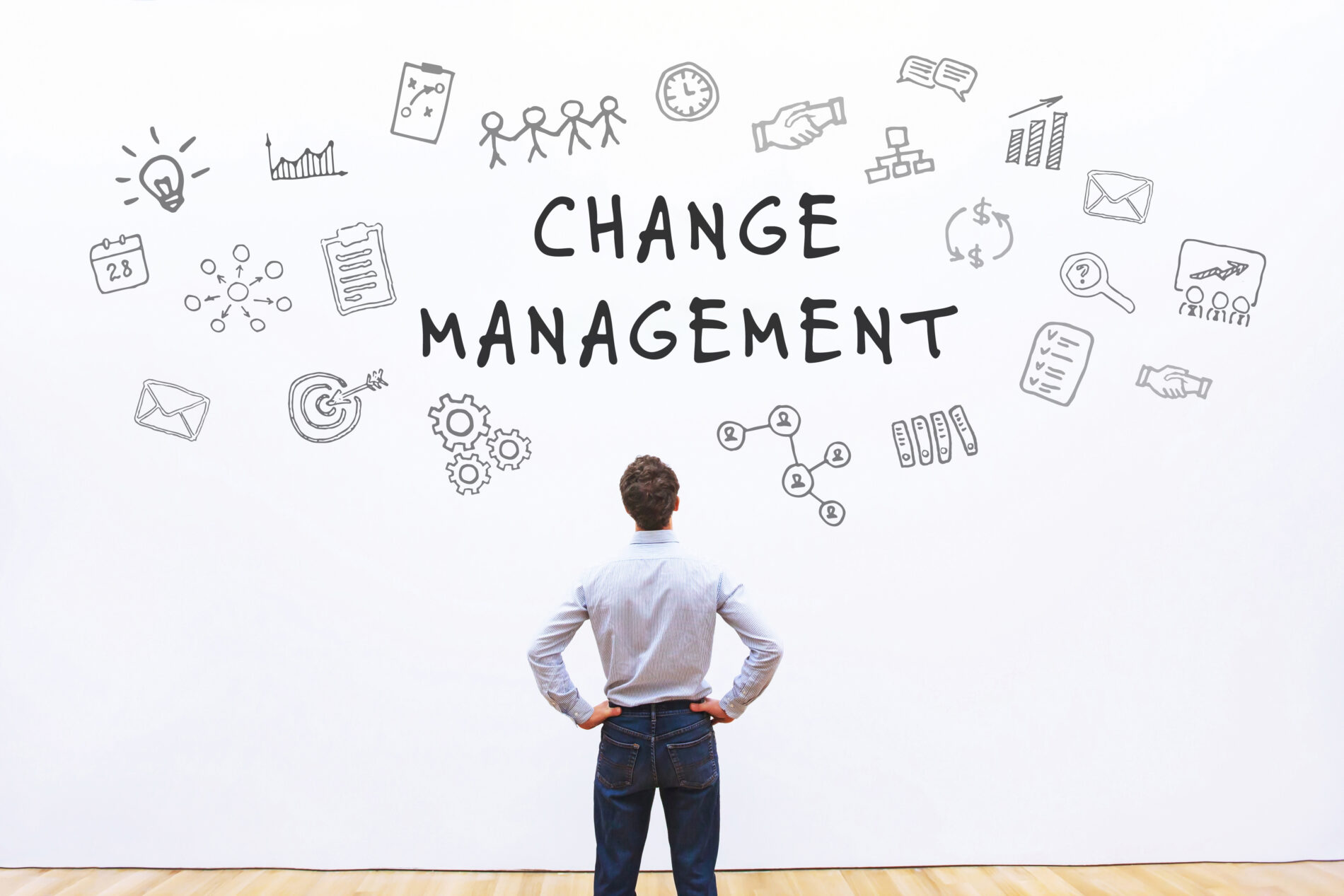
    Change is an inevitable part of every industry, and maintenance is no exception. Whether it’s the introduction of new technologies, processes, or leadership, how an organization handles change can significantly impact its operational efficiency and overall success. However, when it comes to maintenance, true change management goes beyond simply implementing new systems—it’s about transforming the culture, mindset, and approach of the entire organization to ensure lasting improvement. 

    Understanding Change Management in Maintenance 

    Change management in maintenance involves a structured approach to shifting the way maintenance teams and organizations operate. This includes altering processes, roles, tools, and technologies to enhance performance. It’s not just about adopting a new software tool or updating equipment—it’s about ensuring that everyone in the organization, from leadership to frontline workers, understands and supports the changes being made. 

    For example, when moving from a reactive maintenance strategy to a more proactive approach like predictive maintenance (PdM), the organization must make sure its teams are properly trained and equipped. This transition doesn’t happen overnight—it requires careful planning, communication, and support from all levels of the organization. A lack of strategic change management can lead to resistance, confusion, and a loss of momentum, ultimately compromising the effectiveness of the change. 

    Why True Change Management Is Essential 

    1. Aligning with Strategic Goals Maintenance departments don’t operate in a vacuum—they are an integral part of the overall business strategy. Implementing change without aligning it with the organization’s broader goals can result in wasted resources or conflicting priorities. True change management ensures that the changes made in maintenance support the company’s long-term objectives, whether that’s increasing uptime, improving asset longevity, or reducing costs. Without this alignment, maintenance changes can become disconnected from the company’s vision, undermining their effectiveness. 
    1. Managing Resistance to Change One of the most significant challenges in change management is managing resistance. People are naturally inclined to resist change, especially if it disrupts their routines or introduces uncertainty. In the context of maintenance, this resistance can be particularly pronounced as technicians and operators may be hesitant to adopt new tools or workflows. A robust change management strategy helps address these concerns, creating a clear path forward that allows teams to feel comfortable with the new processes. Providing training, clear communication, and involving key stakeholders early on in the change process can foster buy-in and reduce resistance. 
    1. Ensuring Long-Term Sustainability Maintenance improvements can often be short-lived if they are not sustained through proper change management. Implementing new processes or tools requires ongoing monitoring, training, and adaptation. Without an effective change management plan, organizations risk falling back into old habits or neglecting to update processes as needs evolve. By embedding change into the organization’s culture, true change management ensures that improvements are maintained and continuously built upon. 
    1. Building a Culture of Continuous Improvement True change management in maintenance also fosters a culture of continuous improvement. When employees are empowered to participate in the change process, they become more engaged in identifying potential improvements and innovating within their roles. This culture not only boosts morale but also drives performance by creating an environment where everyone is focused on ongoing optimization. 

    Conclusion 

    In the maintenance field, change is not just a one-off event—it’s an ongoing process that needs to be managed with care and precision. Without true change management, even the most well-planned initiatives can fail to achieve their intended results. By taking a structured approach that aligns with the organization’s strategic goals, addresses resistance, ensures sustainability, and builds a culture of continuous improvement, maintenance leaders can successfully navigate the complexities of change and drive lasting transformation in their operations.