Tag: Reliability

  • Team Building: Strengthening Connections for Success

    Team Building: Strengthening Connections for Success

    The power of a strong team cannot be overstated. Teams drive innovation, solve complex problems, and deliver results that no individual could achieve alone. Yet, successful teamwork doesn’t happen by chance—it requires intentional effort through team building. 

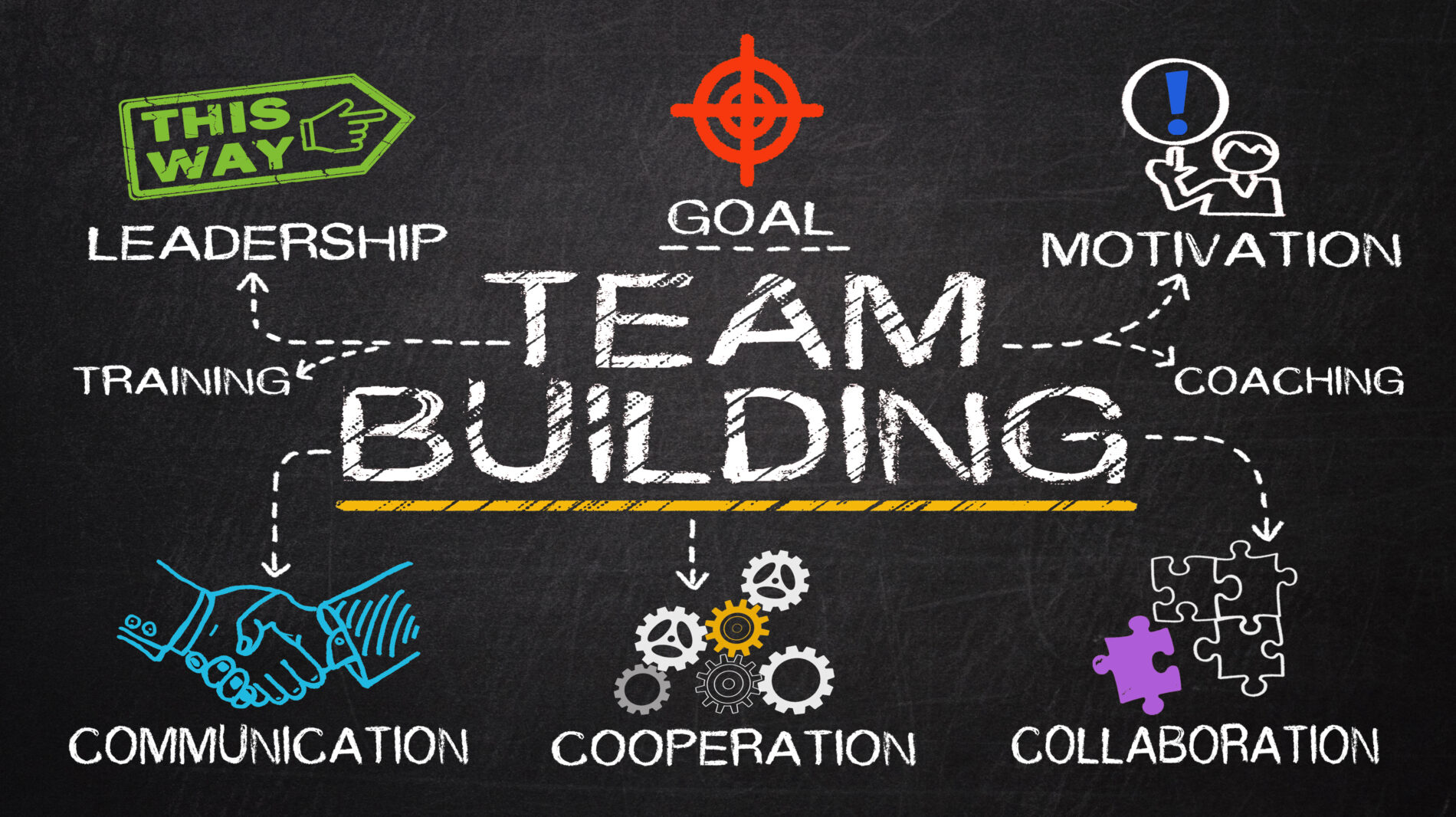
    Team building is the art and science of creating connections, fostering collaboration, and aligning individuals toward a common goal. While it’s often associated with trust falls and icebreaker games, effective team building goes far beyond these surface-level activities. It focuses on strengthening relationships, improving communication, and establishing a shared sense of purpose. 

    Why Team Building Matters 

    At its heart, team building is about creating an environment where people feel valued, respected, and motivated to work together. A cohesive team isn’t just a group of individuals completing tasks—it’s a dynamic network of mutual support and shared accountability. 

    When teams are built intentionally, the benefits ripple throughout the organization: 

    • Enhanced Communication
      Team building activities break down communication barriers, encourage open dialogue, and help individuals understand each other’s strengths, preferences, and working styles. 
    • Stronger Collaboration
      Trust and mutual respect are the foundation of collaboration. When team members feel connected, they’re more likely to share ideas, take risks, and support one another in achieving common goals. 
    • Higher Morale and Engagement
      A team that works well together creates a positive work environment. This sense of camaraderie boosts morale, fosters engagement, and reduces turnover. 
    • Improved Problem-Solving
      Teams that trust one another are more willing to share ideas and work through challenges together, enabling them to address issues creatively and effectively. 

    Strategies for Effective Team Building 

    Building a high-performing team doesn’t require extravagant retreats or elaborate exercises. Instead, it’s about creating meaningful opportunities for connection and collaboration. Here are some practical strategies: 

    • Celebrate Successes
      Recognizing team achievements, no matter how small, reinforces positive behaviors and builds a sense of pride and unity. 
    • Invest in Development
      Providing opportunities for skill-building, both individually and collectively, equips teams to handle challenges with confidence and resilience. 

    The Ripple Effect of Team Building 

    Imagine a manufacturing maintenance team that operates like a well-oiled machine. Through targeted team building efforts, technicians feel empowered to share knowledge, collaborate on solutions, and trust one another’s expertise. Downtime is minimized, efficiency improves, and morale soars. 

    The power of team building lies in its ability to transform groups of individuals into unified, high-performing teams. These teams don’t just achieve results—they create a culture of excellence that drives the entire organization forward. 

    Conclusion 

    Team building is more than an occasional activity; it’s an ongoing commitment to fostering connection and collaboration. By investing in the growth and cohesion of your team, you unlock potential that benefits not only the individuals involved but the organization as a whole. Strong teams are the foundation of success, and intentional team building is the key to making it happen. 

  • Decision Making: Shaping Success Through Choice 

    Decision Making: Shaping Success Through Choice 

    Decision-making is one of the most powerful tools at a leader’s disposal. Whether it’s determining strategic priorities, allocating resources, or solving day-to-day challenges, the ability to make informed and timely decisions can mean the difference between success and failure. It is a skill that shapes the trajectory of teams, organizations, and even industries. 

    At its core, decision-making isn’t just about choosing between options—it’s about understanding the impact of those choices, balancing risks and rewards, and taking responsibility for the outcomes. Strong decision-making builds trust, drives progress, and creates clarity, all of which are essential in today’s fast-paced and competitive business landscape.

    Decision-making is a key leadership skill that drives success, fosters innovation, and builds trust. Learn how structured decision-making can shape outcomes and propel teams forward. 

    Why Decision-Making Matters 

    Good decision-making ensures that organizations stay aligned with their goals, remain adaptable to change, and continuously improve. Here are some key reasons why decision-making is so impactful: 

    • Provides Direction
      Decisions set the course for action. Without them, teams can become stagnant, uncertain, or misaligned. Leaders who make confident and clear decisions provide their teams with the direction needed to move forward. 
    • Drives Efficiency
      Delayed decisions lead to wasted time and missed opportunities. A strong decision-making process streamlines operations, reduces inefficiencies, and ensures that resources are used effectively. 
    • Builds Trust
      Teams respect leaders who can evaluate situations, make choices, and take responsibility for their decisions. This trust fosters a collaborative environment where individuals feel empowered to contribute their best. 
    • Facilitates Growth and Innovation
      Decisions often require taking calculated risks. Leaders who embrace decision-making as a growth tool encourage innovation, experimentation, and the pursuit of excellence. 

    The Decision-Making Process 

    Effective decision-making doesn’t happen by chance; it requires a structured approach. Consider these steps to refine your decision-making skills: 

    • Define the Problem
      Clearly identify the issue at hand. Ambiguity leads to poor decisions, so ensure the scope of the problem is well understood. 
    • Gather Information
      Collect relevant data and perspectives. This includes understanding the context, analyzing past outcomes, and considering the needs of stakeholders. 
    • Evaluate Options
      Weigh the pros and cons of each possible course of action. Identify potential risks and benefits, keeping organizational goals in mind. 
    • Make the Decision
      Avoid overanalyzing. While it’s important to be thorough, indecision can be more damaging than a wrong decision. Commit to a choice and move forward. 
    • Communicate and Implement
      Share the decision with those it affects. Clear communication ensures alignment and builds confidence in the chosen path. 
    • Review and Learn
      Reflect on the outcome of the decision. What went well? What could be improved? This analysis strengthens future decision-making. 

    Example: Decision-Making in Action 

    Imagine a manufacturing leader faced with consistent equipment downtime. By assessing the problem, gathering input from maintenance teams, and analyzing equipment data, they decide to invest in predictive maintenance tools. The decision reduces downtime, boosts productivity, and aligns with long-term operational goals. 

    Conclusion 

    The power of decision-making lies in its ability to drive progress, build trust, and achieve results. Strong strategic decision-making creates clarity in chaos and empowers teams to act confidently. By embracing the process of making informed and timely choices, leaders position themselves and their organizations for sustained success.


  • Leadership Values in Maintenance and Operations

    Leadership Values in Maintenance and Operations

    The Importance of Having, Setting, and Living Values as a Leader

    Leadership is not just about making decisions or achieving results—it’s about setting an example and guiding others toward a common purpose. One of the most powerful ways a leader can do this is by having, setting, and living values that resonate with both themselves and their team. Values are the principles and beliefs that guide actions, shape behaviors, and define the culture of an organization. For leaders in any field, including maintenance and operations, these values become the foundation upon which everything else is built. In the context of Leadership Values in Maintenance and Operations, this foundation is especially critical, as it ensures safety, reliability, and collaboration in high-stakes environments.

    Having Core Values

    As a leader, it’s crucial to first define your personal core values. These values reflect who you are as a person and a professional, and they should guide how you approach challenges, make decisions, and interact with others. Core values might include integrity, accountability, respect, innovation, or teamwork—each leader’s set of values will be unique to them.

    When you, as a leader, know your core values, they act as an internal compass. They provide clarity in times of uncertainty and help you navigate difficult decisions. For example, if you value integrity above all else, you’ll prioritize honesty and transparency, even when facing uncomfortable situations. Your personal values inform your leadership style, influence your behavior, and set the tone for the culture you create within your team or organization. This is especially true when it comes to Leadership Values in Maintenance and Operations, where integrity and accountability can directly impact safety and operational success.

    Setting Values for the Team

    Once you’ve defined your personal values, the next step is setting values for your team. These team values should align with the broader organizational mission and vision but should also reflect the unique needs and dynamics of the maintenance team. Setting values for the team isn’t just about choosing words that sound good—it’s about creating principles that everyone can commit to and live by.

    For instance, in the maintenance world, values like safety, reliability, and collaboration are key. Safety ensures that everyone works in a secure environment, reliability promotes the proper care of assets, and collaboration fosters a strong team spirit. By clearly setting these values, you help your team understand what behaviors and attitudes are expected. Team values become the collective identity and rallying point for everyone involved, helping them stay focused on what truly matters. In the realm of Leadership Values in Maintenance and Operations, these principles are non-negotiable, as they directly impact both team performance and organizational outcomes.

    Setting values for your team also involves leading by example. As a leader, if you expect your team to prioritize safety, you must demonstrate safe work practices yourself. If you value collaboration, you should actively seek input from others and encourage open communication. When you embody the values you set, it shows the team that these principles are not just theoretical—they’re fundamental to how you operate every day.

    Living Your Values

    The most crucial aspect of having and setting values is living them. A leader who sets values but fails to demonstrate them in their actions will quickly lose credibility. Leadership is not about what you say, it’s about what you do. If you claim to value integrity but make unethical decisions or prioritize short-term gains over long-term sustainability, your team will see through the hypocrisy.

    Living your values involves consistently modeling the behaviors you expect from others, whether that’s through making tough decisions, handling conflicts, or managing day-to-day operations. For example, if you value accountability, you must take responsibility for both successes and failures. If you expect your team to demonstrate respect, you need to treat everyone with dignity and fairness, no matter their position. In the context of Leadership Values in Maintenance and Operations, living your values is essential for fostering trust and ensuring that safety and reliability remain top priorities.

    Moreover, living your values helps to inspire your team. When your actions align with the values you set, your team will be more likely to embrace and reflect those values themselves. Values create a sense of trust and respect, which are essential for building strong, high-performing teams. When a leader consistently lives their values, it creates a culture where team members feel motivated to align with those same principles, resulting in greater engagement, collaboration, and ultimately, success.

    Conclusion

    Having, setting, and living values is the bedrock of effective leadership. Values guide decisions, shape behaviors, and influence the culture within a team or organization. As a leader, your personal values form the foundation for the values you set for your team. When you live these values consistently, you foster trust, inspire others, and create a cohesive and motivated team. Leadership is more than just results—it’s about creating a lasting impact through the principles that guide every action. In the world of Leadership Values in Maintenance and Operations, this impact is felt in the safety, reliability, and collaboration that define high-performing teams. When leaders live their values, they inspire others to do the same, creating a culture of integrity, accountability, and success.

  • The Importance of Proper Job Plans in CMMS and EAM Systems

    The Importance of Proper Job Plans in CMMS and EAM Systems

    In today’s industrial environment, the efficiency and reliability of maintenance operations are crucial. This is where Computerized Maintenance Management Systems (CMMS) and Enterprise Asset Management (EAM) systems come into play. These systems are designed to manage the maintenance function by tracking maintenance work, parts used, failure codes, and more. 

    The Role of Proper Job Plans 

    Proper job plans are essential for the effectiveness of CMMS and EAM systems. They create standardized, repeatable, and consistent work processes, ensuring that maintenance tasks are performed efficiently and effectively. Key components of a proper job plan include labor, labor hours, parts, services, and tools. 

    Challenges in Implementing Job Plans 

    Implementing job plans in a CMMS or EAM system is challenging. Organizations often struggle with knowing where to start, getting buy-in from the people doing the work, and handling change management. Overcoming these challenges requires leadership from the top. Engaged leadership from the beginning of the project to the end ensures that middle and lower management remain engaged. 

    Real-Life Example 

    An annual job plan for a treatment train basin was optimized at a drinking water plant, reducing the duration from a two-week event to just two days. This was achieved by making the work more efficient and driving defects from the process. One significant improvement was performing work that could be done while the basin was online rather than waiting for it to go offline. 

    Conclusion 

    Proper job plans are a cornerstone of effective maintenance management in CMMS and EAM systems. Standardizing work processes and ensuring top-down engagement can help organizations overcome implementation challenges and achieve significant efficiency gains. 

  • A Guide to Developing a Supervisory Skill Set in Maintenance

    A Guide to Developing a Supervisory Skill Set in Maintenance

    Supervisors in maintenance play a crucial role in ensuring the efficient operation of equipment and facilities. To be effective in this role, they need a combination of technical knowledge and management skills. Some key management skills necessary for a supervisor in maintenance include: 

    Technical Proficiency: A strong understanding of maintenance principles, practices, and techniques is essential for effectively supervising maintenance operations. This includes knowledge of equipment, systems, and processes relevant to the organization. 

    Problem-Solving Skills: Maintenance supervisors must be able to identify and solve complex problems related to equipment breakdowns, maintenance processes, and safety issues. This requires critical thinking and analytical skills. 

    Leadership Abilities: Effective leadership is crucial for motivating and guiding maintenance teams. Supervisors should be able to inspire team members, delegate tasks effectively, and provide guidance and support when needed. 

    Communication Skills: Clear and effective communication is essential for a maintenance supervisor. They must be able to communicate with team members, other departments, and management to ensure that maintenance objectives are understood and met. 

    Organizational Skills: Maintenance supervisors are responsible for planning and organizing maintenance activities, scheduling work orders, and ensuring that resources are allocated efficiently. Strong organizational skills are essential for managing these tasks effectively. 

    Decision-Making Skills: Maintenance supervisors often need to make quick and informed decisions, such as prioritizing maintenance tasks, allocating resources, and responding to emergencies. Good decision-making skills are essential for this role. 

    Time Management: Maintenance supervisors must be able to prioritize tasks and manage their time effectively to ensure that maintenance activities are completed on schedule and within budget. 

    Team Building and Conflict Resolution: Supervisors must be able to build and maintain a strong team, resolve conflicts, and foster a positive work environment. This includes promoting collaboration, providing feedback, and addressing performance issues. 

    Safety Awareness: Safety is paramount in maintenance operations. Supervisors must be well-versed in safety regulations and practices, and ensure that all maintenance activities are conducted safely. 

    Adaptability: Maintenance supervisors must be able to adapt to changing circumstances, such as equipment failures, staffing issues, or changes in priorities. Being flexible and adaptable is essential for effectively managing maintenance operations. 

    By developing these management skills, supervisors in maintenance can effectively lead their teams, optimize maintenance processes, and ensure the reliable operation of equipment and facilities. 

  • Mastering Maintenance Leadership: The Blueprint for Strategic Business Planning

    Mastering Maintenance Leadership: The Blueprint for Strategic Business Planning

    In the realm of maintenance leadership, strategic business planning isn’t an option; it’s a prerequisite for success. The dynamic interplay of technology, industry standards, and organizational needs demands a clear roadmap for navigating the complex landscape of maintenance and reliability. Here, we delve into the significance of maintenance leadership in business planning and how it paves the way for optimal asset management and operational excellence.

    The Fusion of Leadership and Strategy

    Maintenance leadership transcends the role of maintaining equipment and preventing breakdowns. It requires a strategic vision that aligns with the organization’s overarching goals. Successful maintenance leaders operate as change agents, driving innovation and fostering a culture of continuous improvement.

    Components of Maintenance Leadership Business Planning

    1. Asset Management Strategy: At the core of business planning, maintenance leaders design asset management strategies that encompass the entire lifecycle of equipment. This includes acquisition, operation, maintenance, and disposal. Strategic asset management reduces costs, extends equipment life, and maximizes ROI.
    2. Maintenance Strategies: Leaders establish maintenance strategies that balance preventive, predictive, and corrective maintenance. They determine the most efficient way to keep assets operational and perform cost-benefit analyses to make informed decisions.
    3. Reliability Engineering: Reliability engineering focuses on designing and implementing systems and processes that maximize asset reliability. Maintenance leaders integrate reliability engineering principles into their business plans to optimize asset performance.
    4. Safety Protocols: Ensuring the safety of personnel is paramount. Maintenance leaders develop and incorporate safety protocols into business plans to protect employees and assets, reducing incidents and related costs.
    5. Data-Driven Decisions: Maintenance leaders leverage data analytics to make informed decisions. They collect data from various sources, including sensors and condition monitoring systems, to predict failures and optimize maintenance schedules.

    The Impact of Maintenance Leadership on Business

    Effective maintenance leadership has a far-reaching impact on business operations:

    1. Improved Asset Reliability: Strategic business planning ensures that assets are reliable and consistently meet performance standards. This minimizes downtime and maximizes productivity.
    2. Cost Reduction: By preventing breakdowns and optimizing maintenance schedules, maintenance leaders reduce operational and maintenance costs. Efficient resource allocation and inventory management contribute to cost savings.
    3. Enhanced Product Quality: Reliable equipment translates to consistent product quality. Quality assurance is integral to business planning and maintenance leadership.
    4. Energy Efficiency: Maintenance leaders focus on optimizing asset performance, which often leads to energy savings and reduced environmental impact.
    5. Compliance and Safety: Strategic business planning includes compliance with safety standards and regulations. Maintenance leaders promote a safe work environment and minimize risks.

    Incorporating Technology

    Maintenance leadership business planning relies heavily on technology, including:

    1. Condition Monitoring Systems: These systems continuously assess the health of equipment, enabling predictive maintenance and early fault detection.
    2. Computerized Maintenance Management Systems (CMMS): CMMS streamlines maintenance workflows, asset tracking, and reporting, facilitating efficient planning.
    3. IoT and Industry 4.0: The integration of IoT and Industry 4.0 concepts provides real-time data and insights for predictive maintenance.
    4. Data Analytics: Advanced analytics help maintenance leaders derive actionable insights from vast amounts of data.

    The Way Forward: Continuous Improvement

    Maintenance leadership business planning is not static; it evolves to adapt to changing needs and technologies. It encompasses a culture of continuous improvement, where leaders and teams collaborate to refine processes and enhance performance continually.

    In conclusion, maintenance leadership and strategic business planning are inseparable partners in the pursuit of operational excellence. Effective planning and leadership drive reliability, safety, and cost-efficiency, positioning an organization for long-term success. With a strategic mindset, a commitment to innovation, and the embrace of technology, maintenance leaders chart the course to a future where assets remain robust, operations remain efficient, and quality remains uncompromised.


  • Mastering Lubrication Excellence: Building a World-Class Lubrication Program

    Mastering Lubrication Excellence: Building a World-Class Lubrication Program

    In the industrial landscape, the humble lubricant might seem inconspicuous, but it plays a pivotal role in ensuring the smooth operation of machinery, reducing friction, and extending the life of critical assets. Achieving lubrication excellence isn’t just a matter of choosing the right oil; it’s about developing a comprehensive program that encompasses the best practices, advanced technologies, and a culture of precision. In this blog, we will explore the methods to build a world-class lubrication program that’s the cornerstone of operational success.

    Understanding the Importance of Lubrication Excellence

    A world-class lubrication program is more than just routine maintenance; it’s a strategic asset management practice that goes beyond oil changes. It focuses on achieving peak operational performance, reducing equipment wear, and minimizing unplanned downtime.

    1. Leadership Commitment

    Creating a world-class lubrication program begins with leadership commitment. Top management must understand the importance of lubrication excellence and provide the necessary resources and support.

    1. Skills and Training

    Lubrication excellence requires a skilled workforce. Invest in training programs to educate personnel on lubrication best practices, equipment specifics, and the handling of lubricants.

    1. Lubricant Selection

    Selecting the right lubricants is crucial. Each machine and application may require specific types of lubricants. Consult with lubricant experts to make informed choices.

    1. Lubricant Storage and Handling

    Proper storage and handling of lubricants are essential to prevent contamination and degradation. Implement strict protocols to ensure lubricants remain in optimal condition.

    1. Contamination Control

    Develop contamination control strategies to minimize foreign particles, water, and debris in lubricants. Proper filtration and seal management are critical components.

    1. Lubrication Schedules

    Set up regular lubrication schedules based on manufacturer recommendations and real-time condition monitoring. Ensure that equipment is lubricated at the right time and with the right amount of lubricant.

    1. Lubrication Technologies

    Incorporate advanced lubrication technologies such as automatic lubrication systems, remote monitoring, and condition-based lubrication to optimize lubrication processes.

    1. Lubrication Inspections

    Conduct routine inspections to check for signs of over-lubrication, under-lubrication, contamination, or wear. Address issues promptly to avoid costly breakdowns.

    1. Record Keeping

    Maintain meticulous records of lubrication activities, including lubricant type, quantity, and equipment lubricated. This data is invaluable for tracking performance and making improvements.

    1. Root Cause Analysis

    When lubrication issues arise, conduct root cause analysis to determine the underlying problem and implement corrective actions.

    1. Continuous Improvement

    A world-class lubrication program is a journey of continuous improvement. Encourage employees to provide feedback and engage in process refinement.

    1. Lubrication Culture

    Create a culture where everyone values the role of lubrication in equipment reliability. Engage employees in lubrication best practices and provide incentives for excellence.

    1. Data-Driven Decisions

    Leverage data analytics and condition monitoring systems to make informed lubrication decisions. Real-time data provides insights for predictive maintenance.

    1. Environmental Responsibility

    Consider the environmental impact of lubricants. Choose environmentally friendly lubricants and recycling programs for used lubricants.

    In conclusion, a world-class lubrication program is the backbone of operational efficiency and asset longevity. It’s a comprehensive strategy that encompasses best practices, advanced technologies, and a culture of precision. Organizations that prioritize lubrication excellence are better equipped to achieve operational success, reduce downtime, and extend the life of critical assets. Lubrication isn’t just an oil change; it’s a strategic asset management practice that ensures the smooth operation of machinery, reduces friction, and minimizes equipment wear. By following these methods, organizations can develop a world-class lubrication program that forms the foundation of operational excellence.


  • Elevating Excellence: Unveiling the Art of Maintenance, Repairs, and Operations Process Development

    Elevating Excellence: Unveiling the Art of Maintenance, Repairs, and Operations Process Development

    In the intricate web of industrial operations, maintenance, repairs, and operations (MRO) process development stands as the unsung hero, optimizing workflows, minimizing downtime, and ensuring the seamless continuity of production. It’s a craft that requires precision, strategic planning, and a knack for efficiency. Let’s embark on a journey to uncover the art of MRO process development and why it’s the lynchpin of high-quality operations.

    The Artistry of MRO Process Development

    MRO process development is the science of creating a structured, efficient system to manage the maintenance, repairs, and operations of assets. It goes far beyond reactive fixes; it’s about proactive measures that enhance the reliability and longevity of equipment.

    Key Elements of MRO Process Development

    1. Asset Management: MRO process development begins with a comprehensive inventory of all assets. It involves meticulous cataloging, maintenance history tracking, and categorization based on criticality.
    2. Maintenance Strategy: Development of a well-defined maintenance strategy is crucial. This includes preventive and predictive maintenance schedules, maintenance plans, and a prioritization system.
    3. Spare Parts Inventory: Efficient MRO process development includes managing spare parts inventories, ensuring the right parts are available at the right time to minimize equipment downtime.
    4. Data-Driven Decisions: Advanced data analytics and condition monitoring play a pivotal role. Real-time data informs decision-making, allowing for predictive maintenance and reducing unexpected failures.
    5. Safety and Compliance: Safety is paramount. MRO process development incorporates safety protocols and ensures that equipment complies with industry standards and regulations.
    6. Supplier Relationships: It involves building and nurturing relationships with suppliers to ensure a reliable supply chain for spare parts and materials.
    7. Workflow Optimization: MRO process development streamlines workflows, reduces unnecessary steps, and eliminates bottlenecks to improve operational efficiency.

    The Impact on Operations

    Exemplary MRO process development has a profound impact on operations:

    1. Reduced Downtime: By ensuring equipment is well-maintained, MRO process development minimizes unplanned downtime, leading to increased productivity and operational continuity.
    2. Cost Efficiency: Well-developed MRO processes optimize resource allocation, reduce maintenance and repair costs, and extend asset life, contributing to significant cost savings.
    3. Enhanced Safety: Safety protocols integrated into MRO processes create a safer work environment, reducing accidents and protecting both personnel and assets.
    4. Energy Savings: Optimized equipment performs more efficiently, leading to energy savings and reduced environmental impact.
    5. Quality Assurance: High-quality equipment translates to consistent product quality, improving customer satisfaction.

    Integration of Technology

    MRO process development isn’t confined to the realm of manual labor; technology plays a pivotal role:

    1. Computerized Maintenance Management Systems (CMMS): These systems streamline work order management, asset tracking, and preventive maintenance scheduling, making processes more efficient.
    2. Condition Monitoring Systems: Real-time monitoring systems detect changes in equipment condition, enabling predictive maintenance. This allows for earlier parts ordering.
    1. IoT and Industry 4.0: Integration of IoT and Industry 4.0 concepts provides real-time data and insights for predictive maintenance. This also allows for earlier parts ordering.
    1. Data Analytics: Advanced analytics help in deriving actionable insights from data, making processes more informed and efficient.

    Continuous Improvement and Innovation

    MRO process development is not static; it’s a journey of continuous improvement. Teams work together to refine processes, adapt to technological advancements, and embrace innovative solutions. It’s a culture of learning and evolution.

    In conclusion, MRO process development is a strategic craft that ensures the harmony of industrial operations. It’s the heart of efficiency, cost savings, and operational excellence. It’s where precision meets productivity, where proactive measures outweigh reactive fixes, and where assets perform at their best. The artistry of MRO process development is an ode to the future, where operations remain seamless, costs remain contained, and quality remains uncompromised.

  • Cultivating Excellence: The Art of Building a Reliability Culture

    Cultivating Excellence: The Art of Building a Reliability Culture

    In the realm of industrial operations, a culture of reliability isn’t just a preference; it’s a necessity. It’s the bedrock of efficiency, safety, and sustainability, providing the fertile ground for organizations to thrive and adapt in an ever-evolving world. In this blog, we will explore the methods and principles that guide the development of a reliability culture, the essence of operational excellence.

    Understanding the Reliability Culture

    A reliability culture is a shared commitment within an organization to consistently deliver on promises and expectations. It’s about instilling a mindset where everyone, from top management to front-line employees, values reliability as a core principle.

    1. Leadership Commitment

    Building a reliability culture begins at the top. Leaders must set the tone by demonstrating unwavering commitment to reliability. Their actions and decisions should align with the organization’s reliability goals.

    1. Clear Vision and Values

    An organization’s reliability vision and values must be articulated and communicated clearly. This clarity provides a roadmap for all employees to understand the importance of reliability in achieving the organization’s goals.

    1. Education and Training

    Invest in education and training programs to equip employees with the skills and knowledge needed to promote reliability. These programs can cover areas like preventive maintenance, safety, and best practices.

    1. Employee Involvement

    In a reliability culture, employees are not just the recipients of policies; they actively contribute to their development. Encourage feedback and involvement in decision-making processes to empower and engage your workforce.

    1. Accountability and Measurement

    Reliability must be measurable. Set clear, quantifiable targets and hold individuals and teams accountable for meeting them. This fosters a sense of responsibility and ownership.

    1. Preventive Maintenance

    Preventive maintenance is a cornerstone of a reliability culture. Regular equipment inspections, maintenance schedules, and condition monitoring are essential to keep machinery in peak condition.

    1. Data-Driven Decision-Making

    Leverage data analytics and condition monitoring systems to make informed decisions. Real-time data provides insights for predictive maintenance and helps optimize schedules.

    1. Safety Protocols

    A culture of reliability goes hand-in-hand with safety. Safety protocols ensure that employees and assets are protected. A safe work environment is crucial for operational reliability.

    1. Continuous Improvement

    A reliability culture is not static; it’s dynamic. Encourage a culture of continuous improvement where employees are empowered to suggest changes and innovations. Regularly review and refine processes.

    1. Collaboration and Communication

    Foster collaboration and open communication across departments. Silos can lead to inefficiencies and breakdowns in reliability.

    1. Recognition and Rewards

    Recognize and reward reliability excellence. Acknowledging and celebrating achievements in reliability reinforces the importance of this culture.

    1. Resilience and Adaptation

    In a rapidly changing world, adaptability is crucial for reliability. Organizations must be resilient and ready to adapt to new technologies, regulations, and market conditions.

    1. Training Programs

    Offer training programs and resources to enhance the skills and knowledge of your employees. Knowledgeable and well-trained teams are more reliable.

    1. Ethics and Integrity

    Reliability goes beyond machinery; it’s also about ethical behavior. Uphold the highest standards of integrity and ethics within your organization to reinforce the reliability culture.

    In conclusion, a reliability culture isn’t just about machinery; it’s about fostering a mindset that values trust, responsibility, and continuous improvement. It’s an investment in long-term success, efficiency, and operational excellence. Organizations that embrace a reliability culture are better prepared to navigate the challenges of the modern business landscape and ensure that they deliver on their promises consistently. Reliability isn’t just a goal; it’s a culture that permeates every aspect of an organization, from leadership to daily operations.


  • The 10 Habits of Highly Effective Reliability-AM professionals

    The 10 Habits of Highly Effective Reliability-AM professionals

    Over thirty years ago, Steven R Covey, renowned author, and business management guru, introduced to us “ The 7 Habits of Highly Effective People”, which presented an approach to being effective in attaining personal or business goals by aligning to what he called “True North” principles based on character ethics. This book has become a best seller, a must-read, and has sold 40 million copies worldwide.

    The first three habits moving from dependence to independence (Creating self-mastery) are:

    1) Be Proactive.

    2) Began with the end in mind.

    3) Put first thing first.

    The next three habits that talk about interdependence (working with others) are:

    4) Think win-win.

    5) Seek first to understand, then to be understood.

    6) Synergize.

    The final habit is…

    7) Continuous Improvement in both the personal and interpersonal spheres of influence.

    I have tried to follow these habits in my life; in fact, I have developed my own ten habits based on these principles to be successful in my journey in the Reliability- Asset Management arena. These Ten Habits of Effective Reliability -Asset Management Professionals (including engineers, technicians, and managers), are:

    • Define the Problem clearly: … Identify the problem and the issues behind it
    • Eliminate the root of the problem: … go to the root of the problem, don’t get trapped in correcting symptoms.
    • Use Data (facts) for decision-making: Use data to make the right decisions.
    • Make a Win-Win for both parties: … Resolve conflicts ensuring both parties have something to celebrate.
    • Develop teamwork: … All working together, no silos.
    • Communicate: …. Keep people informed.
    • Be Proactive: … Don’t wait for failure to happen to take action.
    • Prepare for change: …. Be ready to accept change-improvements.
    • Learning environment: …    Learning never stops
    • Adopt Continuous Improvement: … continuing improvement is must!


    Make these your regular habits to be successful in your Reliability- AM or any journey you take.

    Watch for more to come…