Category: Leadership

  • Business Acumen: Thinking Like The Business

    Business Acumen: Thinking Like The Business

    How Your Business Actually Makes Money 

    Before you can fix the floor, you have to see the floor the way the business sees it. 

    Most of us came up through the technical side. We learned the equipment, the process, the schedule. What almost nobody handed us along the way was a simple picture of how the whole company actually makes money. And until you have that picture, every financial conversation feels like it’s happening in a language you were never taught. 

    So let’s start there. Forget the org chart for a minute. No matter how complicated your company looks on paper, it runs on the same simple engine. 

    The engine, in plain English 

    A manufacturing business makes money by converting raw materials into finished goods that customers will pay more for than the materials and the conversion cost combined. 

    That difference is your contribution. You pay your fixed costs out of that contribution, and whatever is left is profit. That’s the whole machine. Everything else in this series is just a more detailed look at one part of it. 

    Three ideas make the engine run: how revenue is built, how costs behave, and what’s left over. Let’s take them in order. 

    The three levers of revenue 

    Revenue doesn’t just show up. It gets built from three knobs, and plant decisions touch all three. 

    • Volume. How many units you ship. 
    • Price. What you charge per unit. 
    • Mix. Which products you ship, because some carry higher margins than others. 

    These interact in ways that aren’t always obvious. Push volume by discounting to move product, and your price knob drops; you might end up flat. Ship more of your high-margin products, and revenue can climb even if total units stay the same. When you free up capacity on a constrained line, you’re not just making “more stuff.” You may be changing the mix, and that can matter more than the raw count. 

    How costs behave: fixed versus variable 

    This is the single most important cost concept on the floor, and it’s the one that explains why downtime hurts the way it does. 

    Cost type  Behavior  Plant examples 
    Fixed  Stays the same whether you make 1 unit or 1,000  Building lease, salaried staff, depreciation on equipment 
    Variable  Rises and falls with how much you produce  Raw materials, packaging, energy on running equipment, hourly overtime 

    Here’s why it matters. When a line goes down, you stop spending the variable cost on the units you didn’t make, except for the labor you are paying to stand around. This raises the cost per unit and the fixed cost meter keeps running the entire time the line sits dark. The lease, the salaries, the depreciation; none of it pauses. That’s why every hour of unplanned downtime costs more than people expect. 

    Contribution margin: the number that sizes everything 

    Contribution margin is the money left from each unit sold after you subtract that unit’s variable cost. It’s what’s available to cover fixed costs and other overhead and then turn into profit. 

    Contribution margin per unit = selling price minus variable cost per unit 

    Total contribution = contribution per unit times units sold 

    Remember the packaging line from the intro? Let’s do the full math this time. 

    Worked example: a pet food packaging line. A 30 lb bag sells for $24. The variable cost (kibble, bag, film, energy, direct labor) is $14. So contribution per bag is $10. 

    Plant fixed costs are $400,000 per month. Divide that by the $10 per bag, and your break-even is 40,000 bags per month. Every bag past 40,000 drops a clean $10 to the bottom line. 

    Now a breakdown costs you 5,000 bags this month. If you were already above break-even, your fixed costs were covered, so that $10 per bag was pure profit. Five thousand bags times $10 is $50,000 of profit gone. Not revenue. Profit. And you’ll never get it back. 

    That’s the move that gets your projects funded. Anyone can say “the line was down for a shift.” The person with business acumen says “that shift cost us $50,000 in profit,” and suddenly the room is paying attention. 

    Break-even thinking 

    Break-even units = fixed costs divided by contribution margin per unit 

    Once you know your break-even point, the picture gets sharp. Every unit above it is profit. Every unit below it is a loss. This is also why a plant running close to break-even feels every disruption so hard; there’s no cushion of profitable volume to absorb the hit. The closer you operate to that line, the more expensive each lost unit becomes. 

    Try it yourself 

    Pick one product line in your plant. Estimate these, or ask Finance: 

    • Selling price per unit. 
    • Variable cost per unit. 
    • Total monthly fixed cost allocated to that line. 

    Then calculate: 

    • Contribution margin per unit (price minus variable cost). 
    • Break-even units per month (fixed cost divided by contribution margin). 
    • How many units above break-even you shipped last month. That’s your profit contribution. 

    If you don’t know these numbers, that’s not a failure. That’s the first finding of the exercise, and it’s exactly the gap this series is here to close. 

    Key takeaways 

    • Revenue is moved by volume, price, and mix, and plant decisions touch all three. 
    • Fixed costs run no matter what you produce. That’s why downtime is so expensive. 
    • Contribution margin is the single most important number for sizing the impact of a loss. 
    • Every unit above break-even is profit. Every unit below it is bleeding.

    Coming next, Part 1, Post 2: Financial Statements for Operators. 

     

  • Business Acumen for Manufacturers

    Business Acumen for Manufacturers

    The gap nobody warns you about, and the series that closes it 

    In all my years of turning plants from reactive to profit-producing, I’ve found a handful of gaps that show up again and again, and they don’t seem to care what industry you’re in. Food, chemicals, metals, packaging, pulp and paper; the same gaps are waiting in every plant I walk into. 

    The biggest one is leadership constraint. That’s a series for another day. 

    The close second is business acumen, and it’s the one almost nobody sees coming. It’s hidden. Most people don’t know it exists, let alone know they need it. They were promoted because they were good at the technical work. They could fix the line, run the schedule, hit the numbers. Then one day someone in a meeting asked, “Okay, but what does that do to EBITDA?” and the room went quiet. 

    If you’ve ever been in that room, this series is for you. 

    What business acumen actually is 

    Let’s clear something up right away: business acumen is not an accounting class. You don’t need a finance degree, and you don’t need to love spreadsheets. 

    Business acumen is the ability to look at what’s happening on your floor and understand what it’s doing to cost, cash, and risk, and then make decisions accordingly. It’s the bridge between a leaking gearbox and a board meeting. It’s what lets you walk into a budget conversation and say, in language leadership actually funds, “This failure mode is costing us $50,000 a month in lost profit, and here’s the fix that pays for itself in eleven weeks.” 

    That’s the difference between being the person who asks for money and being the person who makes the case for it. 

    Here’s the part that surprises people most: you already have the data. The downtime logs, the work orders, the scrap reports, the parts usage; it’s all sitting in your systems right now. What’s missing isn’t data. What’s missing is the skill to translate that data into the three things every business actually cares about: cost, cash, and risk. 

    That skill is learnable. That’s what this series is about. 

    Why this gap is so expensive 

    When a line goes down, most people instinctively think about lost revenue. But revenue isn’t what disappears. Profit is. 

    Picture a packaging line. A bag of product sells for $24, and the variable cost to make it (materials, film, energy, direct labor) is $14. That leaves $10 of contribution on every bag. Now a breakdown costs you 5,000 bags this month. That’s not $120,000 of revenue gone, and it’s not even the $50,000 of contribution you’d guess at first glance. Once you account for the fixed costs that kept running the whole time the line sat dark, the hit to the bottom line is real money you’ll never get back. 

    The technician who can see that math, and explain it, gets their projects funded. The one who can’t gets told “no budget this quarter” and watches the failure repeat. 

    That’s the cost of the acumen gap. It’s not abstract. It shows up in every deferred repair, every under-resourced reliability program, and every good idea that died because it was pitched in the wrong language. 

    How this series is built 

    We’re going to break business acumen into six parts, with multiple posts under each. We’ll go in order, because the parts build on each other; but each post will stand on its own so you can jump to what you need. 

    Part 1: Thinking Like the Business. Before you can fix the floor, you have to see the floor the way the business sees it. How your company actually makes money, the financial statements that matter, and why profit and cash are not the same thing. 

    Part 2: Where the Money Hides. Money leaks out of a plant in far more places than most people track. We’ll map out exactly where it’s hiding, across equipment, people, and resources, so you stop guessing and start finding it. 

    Part 3: Measuring What Matters. You can’t fund what you can’t size. This is where you learn to measure the bleeding, to put a real number on a loss instead of a gut feeling, and where to focus first. 

    Part 4: Building the Business Case. This is the financial language that gets things funded: cost-benefit analysis, payback, ROI, and the silent killer almost nobody quantifies, the cost of inaction. 

    Part 5: Connecting Reliability to Profit. Here’s where it all comes together at the strategic level: throughput thinking, working capital and spare parts, and how maintenance stops being a cost center and starts being a profit lever. 

    Part 6: Acumen in Action. The capstone. Making decisions and tradeoffs under real constraints, translating technical findings into business language, and putting the whole picture to work in your next staff meeting. 

    A promise before we start 

    Every formula and idea in this series has been kept as simple as it can be while still being honest. If a CFO would scoff at it, it’s not here. If a frontline supervisor wouldn’t understand it, it got rewritten. 

    Simplicity is not the enemy of rigor. It’s the price of being heard. 

    If you can talk about cost, cash, and risk in the same sentence as your equipment, you’re already doing it right. By the end of this series, that won’t feel like a stretch. It’ll feel like how you think. 

    Let’s get to work. 

    Coming next, Part 1, Post 1: How Your Business Actually Makes Money. 

  • Culture and Leadership: The Hidden Forces That Decide Whether Reliability Succeeds

    Culture and Leadership: The Hidden Forces That Decide Whether Reliability Succeeds

    Walk into any plant that struggles with reliability and you will see the symptoms long before you see the root cause.
    Technicians rushing from one emergency to the next.
    Operators hesitant to report issues.
    Planners pulled into reactive work.
    Supervisors rewarding speed instead of quality.
    Leaders frustrated that nothing seems to improve.

    These symptoms are not caused by a lack of tools or training. They are caused by culture.

    Culture is the unwritten rulebook of the organization. It determines how people behave when no one is watching. It shapes how teams respond under pressure. It influences whether reliability practices stick or collapse.

    Here is a real scenario many leaders will recognize:
    A plant launches a new defect elimination process. Operators are trained to identify abnormalities. Maintenance is trained to investigate root causes. Leadership announces support. For two weeks, everything looks promising. Then production falls behind. Operators stop reporting issues because they fear slowing the line. Maintenance stops investigating because they are pulled into emergencies. Leadership shifts focus to output. The process dies quietly.

    The problem was not the process.
    The problem was the culture.

    Another example:
    A facility invests in predictive technologies. Vibration sensors. Ultrasound. Thermal imaging. The tools are excellent. The data is accurate. But technicians do not trust the findings. Supervisors do not adjust schedules based on the results. Planners do not incorporate the data into job plans. Leadership does not reinforce the importance of using the tools. The program never gains traction.

    Again, the issue is culture.

    Chapter 2 reminds us that culture and leadership alignment are not optional. They are the foundation that determines whether improvement efforts survive the realities of daily operations.

    A strong culture looks like this:
    • Operators report issues early because they trust the process.
    • Planners are protected from reactive work so they can plan.
    • Technicians follow procedures because they believe in the purpose.
    • Leaders reinforce reliability even when production is under pressure.

    A weak culture looks like this:
    • Silence instead of communication.
    • Shortcuts instead of discipline.
    • Blame instead of learning.
    • Firefighting instead of planning.

    Culture takes time to build, but once established, it becomes the force that sustains reliability long after the initial push.

    If your organization is working to strengthen culture, align leadership, or build an environment where reliability can thrive, we can help you create the structure needed for long term success. https://www.reliabilityx.com/contact

  • The Power of Empowering Employees: Unlocking Potential and Driving Success

    The Power of Empowering Employees: Unlocking Potential and Driving Success

    Empowering employees is more than a management buzzword—it’s a transformative approach to leadership that benefits individuals, teams, and organizations alike. When employees feel empowered, they take ownership of their roles, embrace responsibility, and actively contribute to the success of their organization. But what does empowerment truly mean, and how can leaders create an environment where it thrives? 

    At its core, empowerment is about trust. It involves granting employees the autonomy to make decisions, solve problems, and take actions within their roles. This trust not only boosts morale but also encourages employees to innovate, challenge the status quo, and drive improvements. The result? A more engaged workforce that’s motivated to contribute at its highest potential. 

    Why Empowerment Matters 

    Empowered employees are engaged employees. Research consistently shows that engagement directly correlates with productivity, quality, and even profitability. When employees feel their ideas are valued and their efforts make a difference, they become more invested in their work. This translates to higher performance, improved customer satisfaction, and reduced turnover—a win-win for employees and employers alike. 

    Moreover, empowerment fosters a sense of ownership. Employees who are trusted to make decisions take greater pride in their work. This sense of accountability not only boosts their confidence but also encourages them to seek out opportunities for personal and professional growth. 

    Creating a Culture of Empowerment 

    Empowering employees requires more than assigning tasks and hoping for the best. It starts with leadership that is committed to fostering a supportive and trusting environment. Here are a few key strategies to cultivate empowerment: 

    • Provide Clear Expectations
      Employees need clarity to feel confident in their roles. Clear expectations about responsibilities, goals, and organizational priorities enable them to make informed decisions that align with the company’s vision. 
    • Offer Resources and Training
      Empowerment without the proper tools and knowledge can lead to frustration. Equip employees with the resources, training, and support they need to excel in their roles. 
    • Recognize and Reward Contributions
      Acknowledge employees’ efforts and celebrate their successes. Recognition reinforces positive behaviors and motivates others to take initiative. 
    • Listen and Act on Feedback
      Empowerment is a two-way street. Actively seek input from employees, value their opinions, and incorporate their feedback into decision-making processes. 

    Real Results of Empowerment 

    Consider a maintenance team where technicians are encouraged to take ownership of equipment reliability. Instead of simply following work orders, they are empowered to analyze data, propose improvements, and implement solutions. Over time, this proactive approach reduces downtime, increases efficiency, and instills a sense of pride among team members. 

    The ripple effects of empowerment extend beyond the immediate team. Empowered employees often inspire their peers, creating a culture of collaboration and continuous improvement. This collective mindset drives innovation and strengthens the organization’s competitive advantage. 

    Conclusion 

    Empowering employees isn’t just a strategy; it’s a philosophy that transforms workplaces. By trusting your team, providing them with the tools to succeed, and recognizing their contributions, you unlock potential that drives organizational success. The power of empowerment lies in its ability to create not just stronger employees, but a stronger, more resilient organization. Leaders who embrace empowerment inspire growth, innovation, and excellence at every level. 

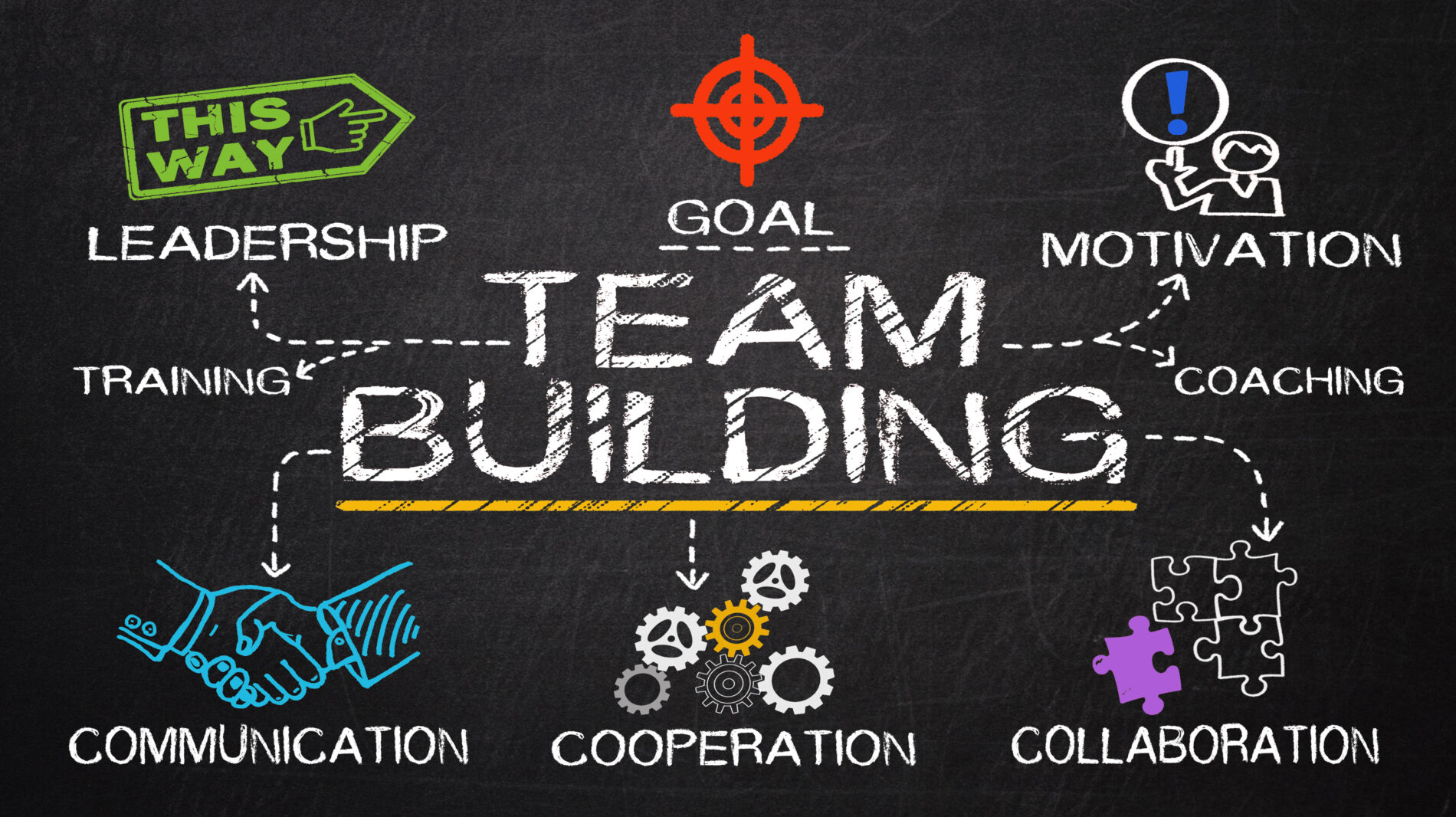
  • Team Building: Strengthening Connections for Success

    Team Building: Strengthening Connections for Success

    The power of a strong team cannot be overstated. Teams drive innovation, solve complex problems, and deliver results that no individual could achieve alone. Yet, successful teamwork doesn’t happen by chance—it requires intentional effort through team building. 

    Team building is the art and science of creating connections, fostering collaboration, and aligning individuals toward a common goal. While it’s often associated with trust falls and icebreaker games, effective team building goes far beyond these surface-level activities. It focuses on strengthening relationships, improving communication, and establishing a shared sense of purpose. 

    Why Team Building Matters 

    At its heart, team building is about creating an environment where people feel valued, respected, and motivated to work together. A cohesive team isn’t just a group of individuals completing tasks—it’s a dynamic network of mutual support and shared accountability. 

    When teams are built intentionally, the benefits ripple throughout the organization: 

    • Enhanced Communication
      Team building activities break down communication barriers, encourage open dialogue, and help individuals understand each other’s strengths, preferences, and working styles. 
    • Stronger Collaboration
      Trust and mutual respect are the foundation of collaboration. When team members feel connected, they’re more likely to share ideas, take risks, and support one another in achieving common goals. 
    • Higher Morale and Engagement
      A team that works well together creates a positive work environment. This sense of camaraderie boosts morale, fosters engagement, and reduces turnover. 
    • Improved Problem-Solving
      Teams that trust one another are more willing to share ideas and work through challenges together, enabling them to address issues creatively and effectively. 

    Strategies for Effective Team Building 

    Building a high-performing team doesn’t require extravagant retreats or elaborate exercises. Instead, it’s about creating meaningful opportunities for connection and collaboration. Here are some practical strategies: 

    • Celebrate Successes
      Recognizing team achievements, no matter how small, reinforces positive behaviors and builds a sense of pride and unity. 
    • Invest in Development
      Providing opportunities for skill-building, both individually and collectively, equips teams to handle challenges with confidence and resilience. 

    The Ripple Effect of Team Building 

    Imagine a manufacturing maintenance team that operates like a well-oiled machine. Through targeted team building efforts, technicians feel empowered to share knowledge, collaborate on solutions, and trust one another’s expertise. Downtime is minimized, efficiency improves, and morale soars. 

    The power of team building lies in its ability to transform groups of individuals into unified, high-performing teams. These teams don’t just achieve results—they create a culture of excellence that drives the entire organization forward. 

    Conclusion 

    Team building is more than an occasional activity; it’s an ongoing commitment to fostering connection and collaboration. By investing in the growth and cohesion of your team, you unlock potential that benefits not only the individuals involved but the organization as a whole. Strong teams are the foundation of success, and intentional team building is the key to making it happen. 

  • Mastering Time Management: Essential Skills for Maintenance Managers

    Mastering Time Management: Essential Skills for Maintenance Managers

    Effective time management is crucial for maintenance managers, who are responsible for overseeing maintenance operations, coordinating schedules, and ensuring that equipment and facilities are well-maintained. In this blog, we’ll explore some essential time management skills that can help maintenance managers optimize their productivity and achieve their goals. 

    1. Prioritization

    One of the key skills for maintenance managers is the ability to prioritize tasks effectively. This involves identifying the most important tasks and allocating time and resources accordingly. By focusing on high-priority tasks first, maintenance managers can ensure that critical maintenance activities are completed on time. 

    1. Planning and Scheduling

    Effective planning and scheduling are essential for managing maintenance activities efficiently. Maintenance managers should be able to develop comprehensive maintenance plans, create schedules, and allocate resources effectively. This includes planning for preventive maintenance, scheduled repairs, and emergency maintenance activities. 

    1. Delegation

    Delegation is another important skill for maintenance managers. By delegating tasks to team members based on their skills and expertise, managers can free up time to focus on higher-level activities. Delegation also helps to build trust and empower team members, leading to a more productive and engaged workforce. 

    1. Time Tracking and Monitoring

    Maintenance managers should be able to track and monitor their time effectively to ensure that they are using it wisely. This involves keeping track of tasks, deadlines, and progress, and making adjustments as needed to stay on track. 

    1. Setting Goals and Deadlines

    Setting clear goals and deadlines is essential for effective time management. Maintenance managers should establish realistic goals for maintenance activities and set deadlines to ensure that they are completed on time. This helps to create a sense of urgency and focus, leading to improved productivity. 

    1. Flexibility and Adaptability

    In the world of maintenance, unexpected issues and emergencies can arise at any time. Maintenance managers should be able to adapt to changing circumstances, re-prioritize tasks, and adjust schedules as needed to ensure that maintenance operations continue to run smoothly. 

    1. Time Management Tools

    There are many tools available to help maintenance managers manage their time more effectively. These include scheduling software, task management tools, and time tracking apps. By leveraging these tools, managers can streamline their workflow and improve their overall efficiency. 

    Conclusion 

    Time management is a critical skill for maintenance managers, who must juggle multiple responsibilities and tasks to ensure that maintenance operations are carried out effectively. By mastering these essential time management skills, maintenance managers can optimize their productivity, improve efficiency, and achieve their goals. 


  • Creating a Departmental Plan: Your Roadmap to Success

    Creating a Departmental Plan: Your Roadmap to Success

    In any organization, departmental success is key to overall success. To achieve this, it’s essential to have a clear roadmap that outlines your department’s goals, priorities, and strategies. A departmental plan serves as this roadmap, guiding your team towards success and ensuring alignment with the organization’s objectives. In this blog, we’ll explore the importance of creating a departmental plan and provide a step-by-step guide to help you create one for your team. 

    Why You Need a Departmental Plan 

    A departmental plan is essential for several reasons: 

    • Clarity of Purpose: It provides clarity on your department’s purpose, goals, and priorities, ensuring that everyone is aligned and working towards the same objectives. 
    • Alignment with Organizational Goals: It ensures that your department’s goals and strategies are aligned with the broader goals of the organization, contributing to overall success. 
    • Resource Allocation: It helps you allocate resources, such as budget, personnel, and time, effectively to achieve your goals. 
    • Performance Monitoring: It provides a framework for monitoring and evaluating your department’s performance, allowing you to make adjustments as needed. 

    How to Create a Departmental Plan 

    Creating a departmental plan involves several key steps: 

    • Define Your Goals: Start by clearly defining your department’s goals. These should be specific, measurable, achievable, relevant, and time-bound (SMART). 
    • Assess Your Current Situation: Conduct a thorough assessment of your department’s strengths, weaknesses, opportunities, and threats (SWOT analysis). This will help you identify areas for improvement and potential challenges. 
    • Develop Strategies: Based on your goals and SWOT analysis, develop strategies to achieve your goals. These should outline the actions you will take to address your department’s weaknesses, leverage its strengths, and capitalize on opportunities. 
    • Allocate Resources: Determine what resources you will need to execute your strategies, including budget, personnel, and technology. 
    • Create an Action Plan: Break down your strategies into actionable steps, assigning responsibilities and setting timelines for each task. 
    • Monitor and Evaluate Progress: Regularly monitor and evaluate your department’s progress towards its goals. This will help you identify any issues early on and make necessary adjustments. 
    • Review and Update Your Plan: Your departmental plan should be a living document that is regularly reviewed and updated to reflect changes in your department or the broader organization. 

    Tips for Success 

    • Communicate Your Plan: Ensure that your team is aware of and understands the departmental plan. This will help create buy-in and alignment towards common goals. 
    • Stay Flexible: While it’s important to have a plan, it’s also important to remain flexible and adapt to changes as needed. 
    • Celebrate Successes: Acknowledge and celebrate achievements along the way to keep morale high and motivation strong. 
    • Seek Feedback: Regularly seek feedback from your team and stakeholders to ensure that your plan remains relevant and effective. 

    Conclusion 

    A departmental plan is a powerful tool that can guide your team towards success. By defining clear goals, developing strategies, allocating resources, and regularly monitoring progress, you can create a roadmap that leads to departmental excellence. Use the steps outlined in this blog to create a departmental plan that sets your team up for success. 

  • A Guide to Developing a Supervisory Skill Set in Maintenance

    A Guide to Developing a Supervisory Skill Set in Maintenance

    Supervisors in maintenance play a crucial role in ensuring the efficient operation of equipment and facilities. To be effective in this role, they need a combination of technical knowledge and management skills. Some key management skills necessary for a supervisor in maintenance include: 

    Technical Proficiency: A strong understanding of maintenance principles, practices, and techniques is essential for effectively supervising maintenance operations. This includes knowledge of equipment, systems, and processes relevant to the organization. 

    Problem-Solving Skills: Maintenance supervisors must be able to identify and solve complex problems related to equipment breakdowns, maintenance processes, and safety issues. This requires critical thinking and analytical skills. 

    Leadership Abilities: Effective leadership is crucial for motivating and guiding maintenance teams. Supervisors should be able to inspire team members, delegate tasks effectively, and provide guidance and support when needed. 

    Communication Skills: Clear and effective communication is essential for a maintenance supervisor. They must be able to communicate with team members, other departments, and management to ensure that maintenance objectives are understood and met. 

    Organizational Skills: Maintenance supervisors are responsible for planning and organizing maintenance activities, scheduling work orders, and ensuring that resources are allocated efficiently. Strong organizational skills are essential for managing these tasks effectively. 

    Decision-Making Skills: Maintenance supervisors often need to make quick and informed decisions, such as prioritizing maintenance tasks, allocating resources, and responding to emergencies. Good decision-making skills are essential for this role. 

    Time Management: Maintenance supervisors must be able to prioritize tasks and manage their time effectively to ensure that maintenance activities are completed on schedule and within budget. 

    Team Building and Conflict Resolution: Supervisors must be able to build and maintain a strong team, resolve conflicts, and foster a positive work environment. This includes promoting collaboration, providing feedback, and addressing performance issues. 

    Safety Awareness: Safety is paramount in maintenance operations. Supervisors must be well-versed in safety regulations and practices, and ensure that all maintenance activities are conducted safely. 

    Adaptability: Maintenance supervisors must be able to adapt to changing circumstances, such as equipment failures, staffing issues, or changes in priorities. Being flexible and adaptable is essential for effectively managing maintenance operations. 

    By developing these management skills, supervisors in maintenance can effectively lead their teams, optimize maintenance processes, and ensure the reliable operation of equipment and facilities. 

  • Mastering Maintenance Leadership: The Blueprint for Strategic Business Planning

    Mastering Maintenance Leadership: The Blueprint for Strategic Business Planning

    In the realm of maintenance leadership, strategic business planning isn’t an option; it’s a prerequisite for success. The dynamic interplay of technology, industry standards, and organizational needs demands a clear roadmap for navigating the complex landscape of maintenance and reliability. Here, we delve into the significance of maintenance leadership in business planning and how it paves the way for optimal asset management and operational excellence.

    The Fusion of Leadership and Strategy

    Maintenance leadership transcends the role of maintaining equipment and preventing breakdowns. It requires a strategic vision that aligns with the organization’s overarching goals. Successful maintenance leaders operate as change agents, driving innovation and fostering a culture of continuous improvement.

    Components of Maintenance Leadership Business Planning

    1. Asset Management Strategy: At the core of business planning, maintenance leaders design asset management strategies that encompass the entire lifecycle of equipment. This includes acquisition, operation, maintenance, and disposal. Strategic asset management reduces costs, extends equipment life, and maximizes ROI.
    2. Maintenance Strategies: Leaders establish maintenance strategies that balance preventive, predictive, and corrective maintenance. They determine the most efficient way to keep assets operational and perform cost-benefit analyses to make informed decisions.
    3. Reliability Engineering: Reliability engineering focuses on designing and implementing systems and processes that maximize asset reliability. Maintenance leaders integrate reliability engineering principles into their business plans to optimize asset performance.
    4. Safety Protocols: Ensuring the safety of personnel is paramount. Maintenance leaders develop and incorporate safety protocols into business plans to protect employees and assets, reducing incidents and related costs.
    5. Data-Driven Decisions: Maintenance leaders leverage data analytics to make informed decisions. They collect data from various sources, including sensors and condition monitoring systems, to predict failures and optimize maintenance schedules.

    The Impact of Maintenance Leadership on Business

    Effective maintenance leadership has a far-reaching impact on business operations:

    1. Improved Asset Reliability: Strategic business planning ensures that assets are reliable and consistently meet performance standards. This minimizes downtime and maximizes productivity.
    2. Cost Reduction: By preventing breakdowns and optimizing maintenance schedules, maintenance leaders reduce operational and maintenance costs. Efficient resource allocation and inventory management contribute to cost savings.
    3. Enhanced Product Quality: Reliable equipment translates to consistent product quality. Quality assurance is integral to business planning and maintenance leadership.
    4. Energy Efficiency: Maintenance leaders focus on optimizing asset performance, which often leads to energy savings and reduced environmental impact.
    5. Compliance and Safety: Strategic business planning includes compliance with safety standards and regulations. Maintenance leaders promote a safe work environment and minimize risks.

    Incorporating Technology

    Maintenance leadership business planning relies heavily on technology, including:

    1. Condition Monitoring Systems: These systems continuously assess the health of equipment, enabling predictive maintenance and early fault detection.
    2. Computerized Maintenance Management Systems (CMMS): CMMS streamlines maintenance workflows, asset tracking, and reporting, facilitating efficient planning.
    3. IoT and Industry 4.0: The integration of IoT and Industry 4.0 concepts provides real-time data and insights for predictive maintenance.
    4. Data Analytics: Advanced analytics help maintenance leaders derive actionable insights from vast amounts of data.

    The Way Forward: Continuous Improvement

    Maintenance leadership business planning is not static; it evolves to adapt to changing needs and technologies. It encompasses a culture of continuous improvement, where leaders and teams collaborate to refine processes and enhance performance continually.

    In conclusion, maintenance leadership and strategic business planning are inseparable partners in the pursuit of operational excellence. Effective planning and leadership drive reliability, safety, and cost-efficiency, positioning an organization for long-term success. With a strategic mindset, a commitment to innovation, and the embrace of technology, maintenance leaders chart the course to a future where assets remain robust, operations remain efficient, and quality remains uncompromised.


  • Mastering Lubrication Excellence: Building a World-Class Lubrication Program

    Mastering Lubrication Excellence: Building a World-Class Lubrication Program

    In the industrial landscape, the humble lubricant might seem inconspicuous, but it plays a pivotal role in ensuring the smooth operation of machinery, reducing friction, and extending the life of critical assets. Achieving lubrication excellence isn’t just a matter of choosing the right oil; it’s about developing a comprehensive program that encompasses the best practices, advanced technologies, and a culture of precision. In this blog, we will explore the methods to build a world-class lubrication program that’s the cornerstone of operational success.

    Understanding the Importance of Lubrication Excellence

    A world-class lubrication program is more than just routine maintenance; it’s a strategic asset management practice that goes beyond oil changes. It focuses on achieving peak operational performance, reducing equipment wear, and minimizing unplanned downtime.

    1. Leadership Commitment

    Creating a world-class lubrication program begins with leadership commitment. Top management must understand the importance of lubrication excellence and provide the necessary resources and support.

    1. Skills and Training

    Lubrication excellence requires a skilled workforce. Invest in training programs to educate personnel on lubrication best practices, equipment specifics, and the handling of lubricants.

    1. Lubricant Selection

    Selecting the right lubricants is crucial. Each machine and application may require specific types of lubricants. Consult with lubricant experts to make informed choices.

    1. Lubricant Storage and Handling

    Proper storage and handling of lubricants are essential to prevent contamination and degradation. Implement strict protocols to ensure lubricants remain in optimal condition.

    1. Contamination Control

    Develop contamination control strategies to minimize foreign particles, water, and debris in lubricants. Proper filtration and seal management are critical components.

    1. Lubrication Schedules

    Set up regular lubrication schedules based on manufacturer recommendations and real-time condition monitoring. Ensure that equipment is lubricated at the right time and with the right amount of lubricant.

    1. Lubrication Technologies

    Incorporate advanced lubrication technologies such as automatic lubrication systems, remote monitoring, and condition-based lubrication to optimize lubrication processes.

    1. Lubrication Inspections

    Conduct routine inspections to check for signs of over-lubrication, under-lubrication, contamination, or wear. Address issues promptly to avoid costly breakdowns.

    1. Record Keeping

    Maintain meticulous records of lubrication activities, including lubricant type, quantity, and equipment lubricated. This data is invaluable for tracking performance and making improvements.

    1. Root Cause Analysis

    When lubrication issues arise, conduct root cause analysis to determine the underlying problem and implement corrective actions.

    1. Continuous Improvement

    A world-class lubrication program is a journey of continuous improvement. Encourage employees to provide feedback and engage in process refinement.

    1. Lubrication Culture

    Create a culture where everyone values the role of lubrication in equipment reliability. Engage employees in lubrication best practices and provide incentives for excellence.

    1. Data-Driven Decisions

    Leverage data analytics and condition monitoring systems to make informed lubrication decisions. Real-time data provides insights for predictive maintenance.

    1. Environmental Responsibility

    Consider the environmental impact of lubricants. Choose environmentally friendly lubricants and recycling programs for used lubricants.

    In conclusion, a world-class lubrication program is the backbone of operational efficiency and asset longevity. It’s a comprehensive strategy that encompasses best practices, advanced technologies, and a culture of precision. Organizations that prioritize lubrication excellence are better equipped to achieve operational success, reduce downtime, and extend the life of critical assets. Lubrication isn’t just an oil change; it’s a strategic asset management practice that ensures the smooth operation of machinery, reduces friction, and minimizes equipment wear. By following these methods, organizations can develop a world-class lubrication program that forms the foundation of operational excellence.