
Tag: values

  • The Power of Empowering Employees: Unlocking Potential and Driving Success

    The Power of Empowering Employees: Unlocking Potential and Driving Success

    Empowering employees is more than a management buzzword—it’s a transformative approach to leadership that benefits individuals, teams, and organizations alike. When employees feel empowered, they take ownership of their roles, embrace responsibility, and actively contribute to the success of their organization. But what does empowerment truly mean, and how can leaders create an environment where it thrives? 

    At its core, empowerment is about trust. It involves granting employees the autonomy to make decisions, solve problems, and take actions within their roles. This trust not only boosts morale but also encourages employees to innovate, challenge the status quo, and drive improvements. The result? A more engaged workforce that’s motivated to contribute at its highest potential. 

    Why Empowerment Matters 

    Empowered employees are engaged employees. Research consistently shows that engagement directly correlates with productivity, quality, and even profitability. When employees feel their ideas are valued and their efforts make a difference, they become more invested in their work. This translates to higher performance, improved customer satisfaction, and reduced turnover—a win-win for employees and employers alike. 

    Moreover, empowerment fosters a sense of ownership. Employees who are trusted to make decisions take greater pride in their work. This sense of accountability not only boosts their confidence but also encourages them to seek out opportunities for personal and professional growth. 

    Creating a Culture of Empowerment 

    Empowering employees requires more than assigning tasks and hoping for the best. It starts with leadership that is committed to fostering a supportive and trusting environment. Here are a few key strategies to cultivate empowerment: 

    • Provide Clear Expectations
      Employees need clarity to feel confident in their roles. Clear expectations about responsibilities, goals, and organizational priorities enable them to make informed decisions that align with the company’s vision. 
    • Offer Resources and Training
      Empowerment without the proper tools and knowledge can lead to frustration. Equip employees with the resources, training, and support they need to excel in their roles. 
    • Recognize and Reward Contributions
      Acknowledge employees’ efforts and celebrate their successes. Recognition reinforces positive behaviors and motivates others to take initiative. 
    • Listen and Act on Feedback
      Empowerment is a two-way street. Actively seek input from employees, value their opinions, and incorporate their feedback into decision-making processes. 

    Real Results of Empowerment 

    Consider a maintenance team where technicians are encouraged to take ownership of equipment reliability. Instead of simply following work orders, they are empowered to analyze data, propose improvements, and implement solutions. Over time, this proactive approach reduces downtime, increases efficiency, and instills a sense of pride among team members. 

    The ripple effects of empowerment extend beyond the immediate team. Empowered employees often inspire their peers, creating a culture of collaboration and continuous improvement. This collective mindset drives innovation and strengthens the organization’s competitive advantage. 

    Conclusion 

    Empowering employees isn’t just a strategy; it’s a philosophy that transforms workplaces. By trusting your team, providing them with the tools to succeed, and recognizing their contributions, you unlock potential that drives organizational success. The power of empowerment lies in its ability to create not just stronger employees, but a stronger, more resilient organization. Leaders who embrace empowerment inspire growth, innovation, and excellence at every level. 
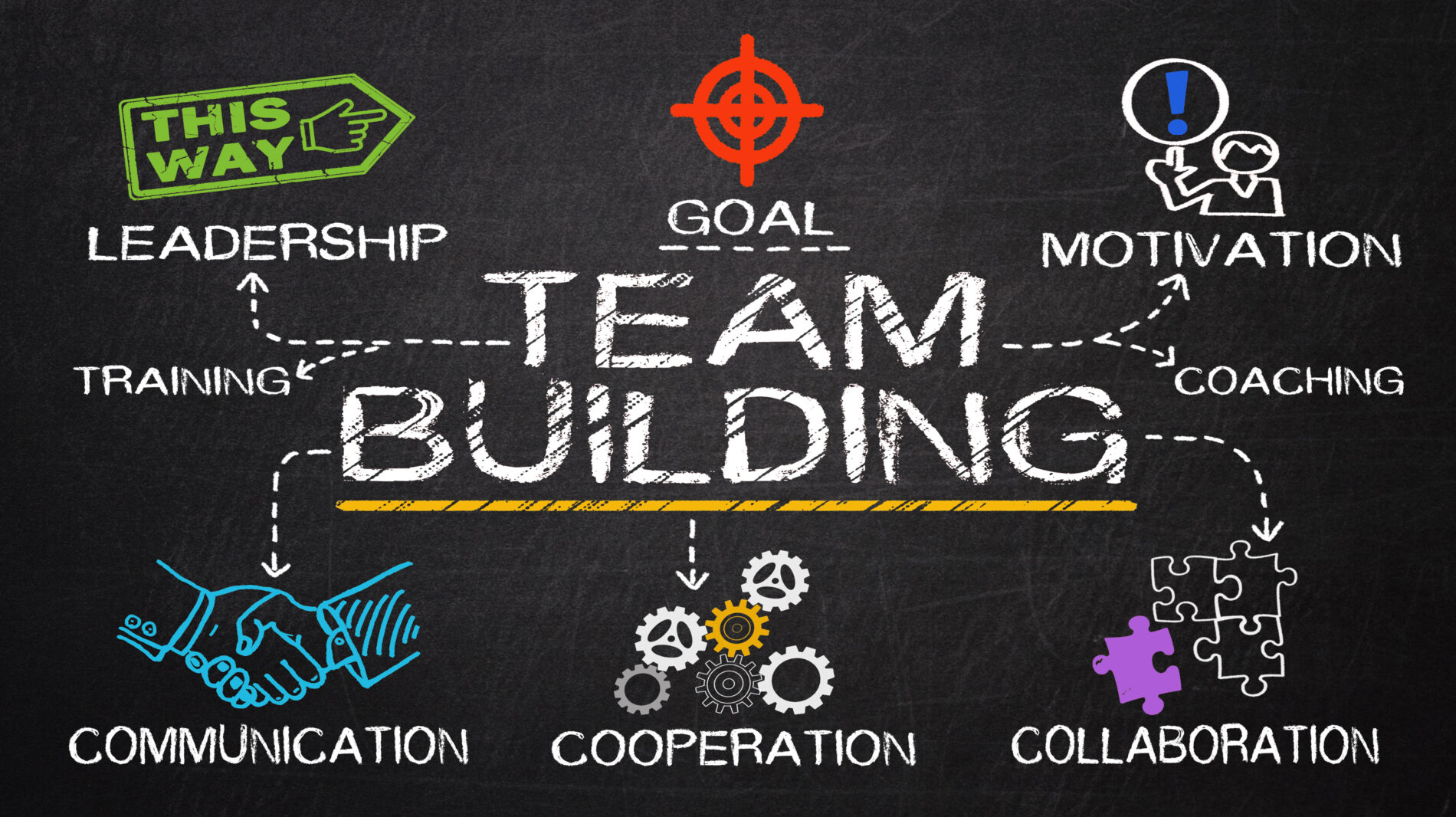
  • Team Building: Strengthening Connections for Success

    Team Building: Strengthening Connections for Success

    The power of a strong team cannot be overstated. Teams drive innovation, solve complex problems, and deliver results that no individual could achieve alone. Yet, successful teamwork doesn’t happen by chance—it requires intentional effort through team building. 

    Team building is the art and science of creating connections, fostering collaboration, and aligning individuals toward a common goal. While it’s often associated with trust falls and icebreaker games, effective team building goes far beyond these surface-level activities. It focuses on strengthening relationships, improving communication, and establishing a shared sense of purpose. 

    Why Team Building Matters 

    At its heart, team building is about creating an environment where people feel valued, respected, and motivated to work together. A cohesive team isn’t just a group of individuals completing tasks—it’s a dynamic network of mutual support and shared accountability. 

    When teams are built intentionally, the benefits ripple throughout the organization: 

    • Enhanced Communication
      Team building activities break down communication barriers, encourage open dialogue, and help individuals understand each other’s strengths, preferences, and working styles. 
    • Stronger Collaboration
      Trust and mutual respect are the foundation of collaboration. When team members feel connected, they’re more likely to share ideas, take risks, and support one another in achieving common goals. 
    • Higher Morale and Engagement
      A team that works well together creates a positive work environment. This sense of camaraderie boosts morale, fosters engagement, and reduces turnover. 
    • Improved Problem-Solving
      Teams that trust one another are more willing to share ideas and work through challenges together, enabling them to address issues creatively and effectively. 

    Strategies for Effective Team Building 

    Building a high-performing team doesn’t require extravagant retreats or elaborate exercises. Instead, it’s about creating meaningful opportunities for connection and collaboration. Here are some practical strategies: 

    • Celebrate Successes
      Recognizing team achievements, no matter how small, reinforces positive behaviors and builds a sense of pride and unity. 
    • Invest in Development
      Providing opportunities for skill-building, both individually and collectively, equips teams to handle challenges with confidence and resilience. 

    The Ripple Effect of Team Building 

    Imagine a manufacturing maintenance team that operates like a well-oiled machine. Through targeted team building efforts, technicians feel empowered to share knowledge, collaborate on solutions, and trust one another’s expertise. Downtime is minimized, efficiency improves, and morale soars. 

    The power of team building lies in its ability to transform groups of individuals into unified, high-performing teams. These teams don’t just achieve results—they create a culture of excellence that drives the entire organization forward. 

    Conclusion 

    Team building is more than an occasional activity; it’s an ongoing commitment to fostering connection and collaboration. By investing in the growth and cohesion of your team, you unlock potential that benefits not only the individuals involved but the organization as a whole. Strong teams are the foundation of success, and intentional team building is the key to making it happen. 

  • Leadership Values in Maintenance and Operations

    Leadership Values in Maintenance and Operations

    The Importance of Having, Setting, and Living Values as a Leader

    Leadership is not just about making decisions or achieving results—it’s about setting an example and guiding others toward a common purpose. One of the most powerful ways a leader can do this is by having, setting, and living values that resonate with both themselves and their team. Values are the principles and beliefs that guide actions, shape behaviors, and define the culture of an organization. For leaders in any field, including maintenance and operations, these values become the foundation upon which everything else is built. In the context of Leadership Values in Maintenance and Operations, this foundation is especially critical, as it ensures safety, reliability, and collaboration in high-stakes environments.

    Having Core Values

    As a leader, it’s crucial to first define your personal core values. These values reflect who you are as a person and a professional, and they should guide how you approach challenges, make decisions, and interact with others. Core values might include integrity, accountability, respect, innovation, or teamwork—each leader’s set of values will be unique to them.

    When you, as a leader, know your core values, they act as an internal compass. They provide clarity in times of uncertainty and help you navigate difficult decisions. For example, if you value integrity above all else, you’ll prioritize honesty and transparency, even when facing uncomfortable situations. Your personal values inform your leadership style, influence your behavior, and set the tone for the culture you create within your team or organization. This is especially true when it comes to Leadership Values in Maintenance and Operations, where integrity and accountability can directly impact safety and operational success.

    Setting Values for the Team

    Once you’ve defined your personal values, the next step is setting values for your team. These team values should align with the broader organizational mission and vision but should also reflect the unique needs and dynamics of the maintenance team. Setting values for the team isn’t just about choosing words that sound good—it’s about creating principles that everyone can commit to and live by.

    For instance, in the maintenance world, values like safety, reliability, and collaboration are key. Safety ensures that everyone works in a secure environment, reliability promotes the proper care of assets, and collaboration fosters a strong team spirit. By clearly setting these values, you help your team understand what behaviors and attitudes are expected. Team values become the collective identity and rallying point for everyone involved, helping them stay focused on what truly matters. In the realm of Leadership Values in Maintenance and Operations, these principles are non-negotiable, as they directly impact both team performance and organizational outcomes.

    Setting values for your team also involves leading by example. As a leader, if you expect your team to prioritize safety, you must demonstrate safe work practices yourself. If you value collaboration, you should actively seek input from others and encourage open communication. When you embody the values you set, it shows the team that these principles are not just theoretical—they’re fundamental to how you operate every day.

    Living Your Values

    The most crucial aspect of having and setting values is living them. A leader who sets values but fails to demonstrate them in their actions will quickly lose credibility. Leadership is not about what you say, it’s about what you do. If you claim to value integrity but make unethical decisions or prioritize short-term gains over long-term sustainability, your team will see through the hypocrisy.

    Living your values involves consistently modeling the behaviors you expect from others, whether that’s through making tough decisions, handling conflicts, or managing day-to-day operations. For example, if you value accountability, you must take responsibility for both successes and failures. If you expect your team to demonstrate respect, you need to treat everyone with dignity and fairness, no matter their position. In the context of Leadership Values in Maintenance and Operations, living your values is essential for fostering trust and ensuring that safety and reliability remain top priorities.

    Moreover, living your values helps to inspire your team. When your actions align with the values you set, your team will be more likely to embrace and reflect those values themselves. Values create a sense of trust and respect, which are essential for building strong, high-performing teams. When a leader consistently lives their values, it creates a culture where team members feel motivated to align with those same principles, resulting in greater engagement, collaboration, and ultimately, success.

    Conclusion

    Having, setting, and living values is the bedrock of effective leadership. Values guide decisions, shape behaviors, and influence the culture within a team or organization. As a leader, your personal values form the foundation for the values you set for your team. When you live these values consistently, you foster trust, inspire others, and create a cohesive and motivated team. Leadership is more than just results—it’s about creating a lasting impact through the principles that guide every action. In the world of Leadership Values in Maintenance and Operations, this impact is felt in the safety, reliability, and collaboration that define high-performing teams. When leaders live their values, they inspire others to do the same, creating a culture of integrity, accountability, and success.