Tag: training

  • The Necessity of True Change Management in Maintenance

    The Necessity of True Change Management in Maintenance

    The Necessity of True Change Management in Maintenance 

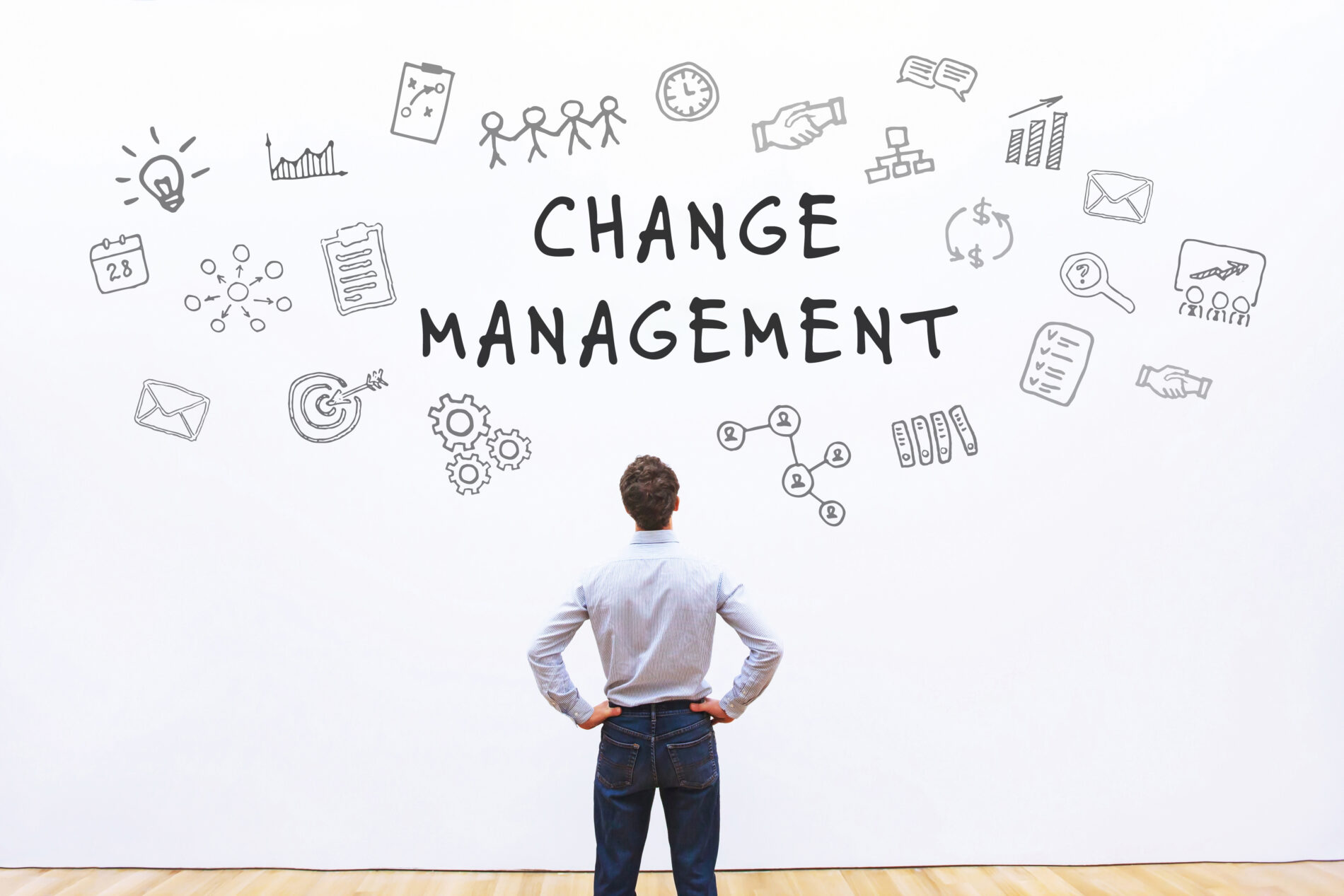
    Change is an inevitable part of every industry, and maintenance is no exception. Whether it’s the introduction of new technologies, processes, or leadership, how an organization handles change can significantly impact its operational efficiency and overall success. However, when it comes to maintenance, true change management goes beyond simply implementing new systems—it’s about transforming the culture, mindset, and approach of the entire organization to ensure lasting improvement. 

    Understanding Change Management in Maintenance 

    Change management in maintenance involves a structured approach to shifting the way maintenance teams and organizations operate. This includes altering processes, roles, tools, and technologies to enhance performance. It’s not just about adopting a new software tool or updating equipment—it’s about ensuring that everyone in the organization, from leadership to frontline workers, understands and supports the changes being made. 

    For example, when moving from a reactive maintenance strategy to a more proactive approach like predictive maintenance (PdM), the organization must make sure its teams are properly trained and equipped. This transition doesn’t happen overnight—it requires careful planning, communication, and support from all levels of the organization. A lack of strategic change management can lead to resistance, confusion, and a loss of momentum, ultimately compromising the effectiveness of the change. 

    Why True Change Management Is Essential 

    1. Aligning with Strategic Goals Maintenance departments don’t operate in a vacuum—they are an integral part of the overall business strategy. Implementing change without aligning it with the organization’s broader goals can result in wasted resources or conflicting priorities. True change management ensures that the changes made in maintenance support the company’s long-term objectives, whether that’s increasing uptime, improving asset longevity, or reducing costs. Without this alignment, maintenance changes can become disconnected from the company’s vision, undermining their effectiveness. 
    1. Managing Resistance to Change One of the most significant challenges in change management is managing resistance. People are naturally inclined to resist change, especially if it disrupts their routines or introduces uncertainty. In the context of maintenance, this resistance can be particularly pronounced as technicians and operators may be hesitant to adopt new tools or workflows. A robust change management strategy helps address these concerns, creating a clear path forward that allows teams to feel comfortable with the new processes. Providing training, clear communication, and involving key stakeholders early on in the change process can foster buy-in and reduce resistance. 
    1. Ensuring Long-Term Sustainability Maintenance improvements can often be short-lived if they are not sustained through proper change management. Implementing new processes or tools requires ongoing monitoring, training, and adaptation. Without an effective change management plan, organizations risk falling back into old habits or neglecting to update processes as needs evolve. By embedding change into the organization’s culture, true change management ensures that improvements are maintained and continuously built upon. 
    1. Building a Culture of Continuous Improvement True change management in maintenance also fosters a culture of continuous improvement. When employees are empowered to participate in the change process, they become more engaged in identifying potential improvements and innovating within their roles. This culture not only boosts morale but also drives performance by creating an environment where everyone is focused on ongoing optimization. 

    Conclusion 

    In the maintenance field, change is not just a one-off event—it’s an ongoing process that needs to be managed with care and precision. Without true change management, even the most well-planned initiatives can fail to achieve their intended results. By taking a structured approach that aligns with the organization’s strategic goals, addresses resistance, ensures sustainability, and builds a culture of continuous improvement, maintenance leaders can successfully navigate the complexities of change and drive lasting transformation in their operations. 
     

  • A Guide to Developing a Supervisory Skill Set in Maintenance

    A Guide to Developing a Supervisory Skill Set in Maintenance

    Supervisors in maintenance play a crucial role in ensuring the efficient operation of equipment and facilities. To be effective in this role, they need a combination of technical knowledge and management skills. Some key management skills necessary for a supervisor in maintenance include: 

    Technical Proficiency: A strong understanding of maintenance principles, practices, and techniques is essential for effectively supervising maintenance operations. This includes knowledge of equipment, systems, and processes relevant to the organization. 

    Problem-Solving Skills: Maintenance supervisors must be able to identify and solve complex problems related to equipment breakdowns, maintenance processes, and safety issues. This requires critical thinking and analytical skills. 

    Leadership Abilities: Effective leadership is crucial for motivating and guiding maintenance teams. Supervisors should be able to inspire team members, delegate tasks effectively, and provide guidance and support when needed. 

    Communication Skills: Clear and effective communication is essential for a maintenance supervisor. They must be able to communicate with team members, other departments, and management to ensure that maintenance objectives are understood and met. 

    Organizational Skills: Maintenance supervisors are responsible for planning and organizing maintenance activities, scheduling work orders, and ensuring that resources are allocated efficiently. Strong organizational skills are essential for managing these tasks effectively. 

    Decision-Making Skills: Maintenance supervisors often need to make quick and informed decisions, such as prioritizing maintenance tasks, allocating resources, and responding to emergencies. Good decision-making skills are essential for this role. 

    Time Management: Maintenance supervisors must be able to prioritize tasks and manage their time effectively to ensure that maintenance activities are completed on schedule and within budget. 

    Team Building and Conflict Resolution: Supervisors must be able to build and maintain a strong team, resolve conflicts, and foster a positive work environment. This includes promoting collaboration, providing feedback, and addressing performance issues. 

    Safety Awareness: Safety is paramount in maintenance operations. Supervisors must be well-versed in safety regulations and practices, and ensure that all maintenance activities are conducted safely. 

    Adaptability: Maintenance supervisors must be able to adapt to changing circumstances, such as equipment failures, staffing issues, or changes in priorities. Being flexible and adaptable is essential for effectively managing maintenance operations. 

    By developing these management skills, supervisors in maintenance can effectively lead their teams, optimize maintenance processes, and ensure the reliable operation of equipment and facilities. 

  • Cultivating Excellence: The Art of Building a Reliability Culture

    Cultivating Excellence: The Art of Building a Reliability Culture

    In the realm of industrial operations, a culture of reliability isn’t just a preference; it’s a necessity. It’s the bedrock of efficiency, safety, and sustainability, providing the fertile ground for organizations to thrive and adapt in an ever-evolving world. In this blog, we will explore the methods and principles that guide the development of a reliability culture, the essence of operational excellence.

    Understanding the Reliability Culture

    A reliability culture is a shared commitment within an organization to consistently deliver on promises and expectations. It’s about instilling a mindset where everyone, from top management to front-line employees, values reliability as a core principle.

    1. Leadership Commitment

    Building a reliability culture begins at the top. Leaders must set the tone by demonstrating unwavering commitment to reliability. Their actions and decisions should align with the organization’s reliability goals.

    1. Clear Vision and Values

    An organization’s reliability vision and values must be articulated and communicated clearly. This clarity provides a roadmap for all employees to understand the importance of reliability in achieving the organization’s goals.

    1. Education and Training

    Invest in education and training programs to equip employees with the skills and knowledge needed to promote reliability. These programs can cover areas like preventive maintenance, safety, and best practices.

    1. Employee Involvement

    In a reliability culture, employees are not just the recipients of policies; they actively contribute to their development. Encourage feedback and involvement in decision-making processes to empower and engage your workforce.

    1. Accountability and Measurement

    Reliability must be measurable. Set clear, quantifiable targets and hold individuals and teams accountable for meeting them. This fosters a sense of responsibility and ownership.

    1. Preventive Maintenance

    Preventive maintenance is a cornerstone of a reliability culture. Regular equipment inspections, maintenance schedules, and condition monitoring are essential to keep machinery in peak condition.

    1. Data-Driven Decision-Making

    Leverage data analytics and condition monitoring systems to make informed decisions. Real-time data provides insights for predictive maintenance and helps optimize schedules.

    1. Safety Protocols

    A culture of reliability goes hand-in-hand with safety. Safety protocols ensure that employees and assets are protected. A safe work environment is crucial for operational reliability.

    1. Continuous Improvement

    A reliability culture is not static; it’s dynamic. Encourage a culture of continuous improvement where employees are empowered to suggest changes and innovations. Regularly review and refine processes.

    1. Collaboration and Communication

    Foster collaboration and open communication across departments. Silos can lead to inefficiencies and breakdowns in reliability.

    1. Recognition and Rewards

    Recognize and reward reliability excellence. Acknowledging and celebrating achievements in reliability reinforces the importance of this culture.

    1. Resilience and Adaptation

    In a rapidly changing world, adaptability is crucial for reliability. Organizations must be resilient and ready to adapt to new technologies, regulations, and market conditions.

    1. Training Programs

    Offer training programs and resources to enhance the skills and knowledge of your employees. Knowledgeable and well-trained teams are more reliable.

    1. Ethics and Integrity

    Reliability goes beyond machinery; it’s also about ethical behavior. Uphold the highest standards of integrity and ethics within your organization to reinforce the reliability culture.

    In conclusion, a reliability culture isn’t just about machinery; it’s about fostering a mindset that values trust, responsibility, and continuous improvement. It’s an investment in long-term success, efficiency, and operational excellence. Organizations that embrace a reliability culture are better prepared to navigate the challenges of the modern business landscape and ensure that they deliver on their promises consistently. Reliability isn’t just a goal; it’s a culture that permeates every aspect of an organization, from leadership to daily operations.


  • Exemplary Maintenance Leadership: The Backbone of High-Quality Operations

    Exemplary Maintenance Leadership: The Backbone of High-Quality Operations

    In the world of industrial and manufacturing enterprises, where precision and reliability are paramount, maintenance leadership stands as the unsung hero. Behind the scenes, these individuals and teams are the custodians of high-quality operations, ensuring that machinery hums with efficiency, downtime is minimized, and standards are not just met but exceeded. Let’s take a closer look at the essence of exemplary maintenance leadership and why it’s the cornerstone of a well-oiled operation.

    The Role of Maintenance Leadership

    Maintenance leaders are the linchpin of a successful operation. Their responsibilities encompass a wide array of crucial functions, from managing preventive and predictive maintenance to troubleshooting unexpected breakdowns. They oversee equipment health, spare parts inventory, and scheduling to ensure seamless production.

    Qualities of Exceptional Maintenance Leaders

    1. Technical Proficiency: First and foremost, maintenance leaders possess a deep understanding of the equipment and systems they oversee. They’re experts in the intricacies of machinery and are skilled in diagnosing and resolving issues efficiently.
    2. Analytical Acumen: Exceptional maintenance leaders are adept at analyzing data, be it from predictive maintenance tools, equipment logs, or incident reports. They use this information to make informed decisions, spot trends, and predict potential failures.
    3. Proactive Mindset: Rather than simply reacting to issues, top-notch maintenance leaders are proactive in their approach. They schedule regular maintenance and are continuously seeking ways to improve equipment reliability.
    4. Team Collaboration: Effective leadership often hinges on collaboration. Maintenance leaders work closely with operators, engineers, and other departments to ensure a harmonious working environment. They communicate effectively and bridge the gap between different parts of the organization.
    5. Problem-Solving Prowess: When things go awry, maintenance leaders are the problem solvers. They thrive in high-pressure situations, diagnosing the root causes of failures and implementing swift solutions.

    The Impact on Operations

    Exemplary maintenance leadership has a profound impact on an organization’s operations:

    1. Minimized Downtime: Through rigorous preventive and predictive maintenance, maintenance leaders minimize unplanned downtime, ensuring continuous production and delivery.
    2. Enhanced Efficiency: Well-maintained equipment operates more efficiently, saving on energy costs and boosting overall productivity.
    3. Cost Savings: By preventing major breakdowns and extending the life of equipment, maintenance leadership ultimately leads to cost savings for the organization.
    4. Safety and Quality: Maintenance leaders prioritize safety and quality by ensuring that equipment operates within design specifications and safety standards. This protects employees and product quality.

    Continuous Improvement and Training

    Exemplary maintenance leadership also emphasizes continuous improvement. Leaders invest in ongoing training and development for themselves and their teams. They stay updated on emerging technologies, industry best practices, and safety protocols. By nurturing a culture of learning, they ensure that their teams are equipped to handle the challenges of the future.

    In conclusion, maintenance leadership is not merely about fixing things when they break. It’s a strategic role that contributes to an organization’s overall success. These leaders are the guardians of high-quality operations, keeping the wheels of industry turning smoothly. Their technical prowess, problem-solving skills, and commitment to excellence make them indispensable in the world of maintenance and reliability. The next time you see a well-maintained machine running like clockwork, remember that behind it lies the dedication and expertise of exemplary maintenance leaders.