Tag: innovation

  • The Necessity of True Change Management in Maintenance

    The Necessity of True Change Management in Maintenance

    The Necessity of True Change Management in Maintenance 

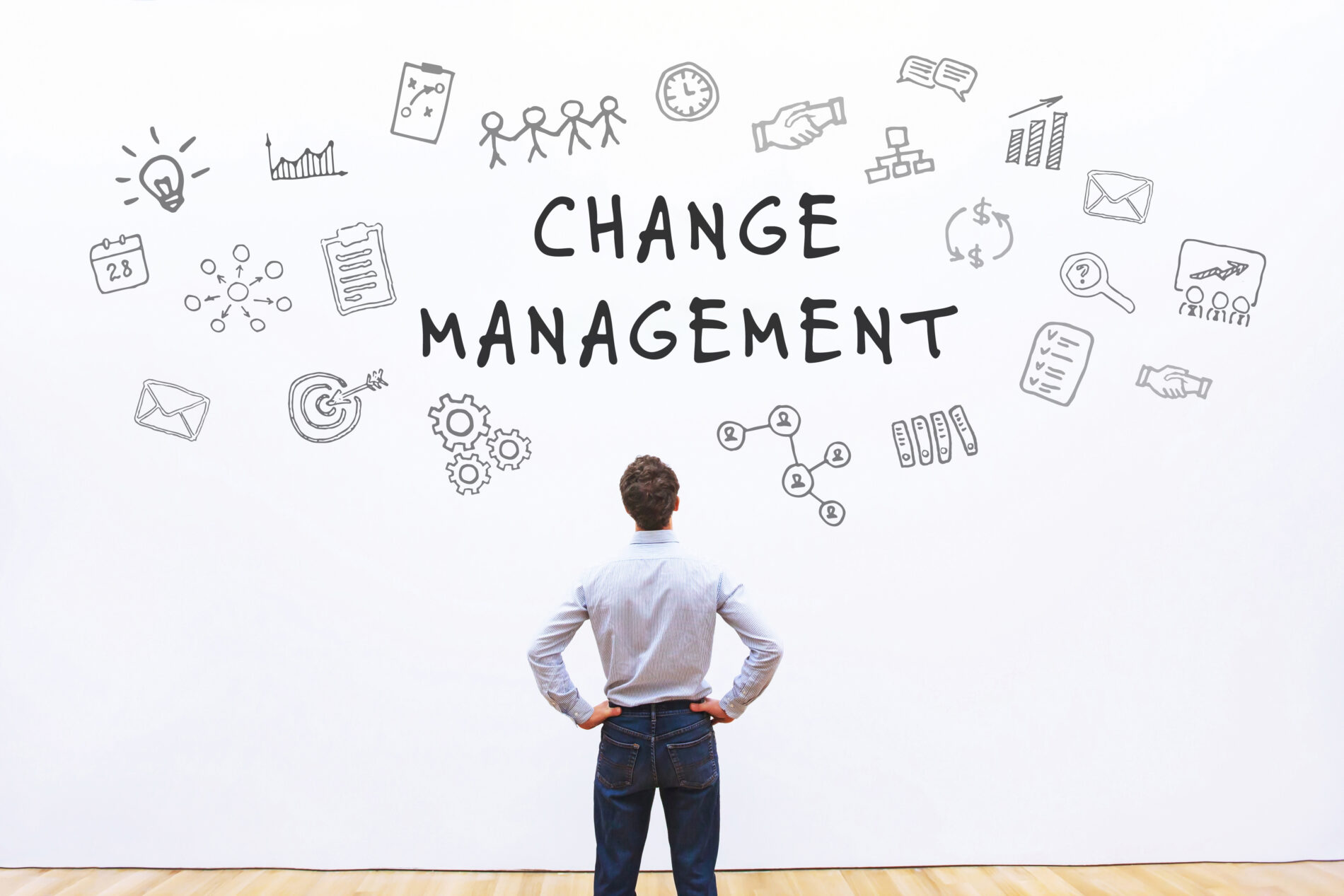
    Change is an inevitable part of every industry, and maintenance is no exception. Whether it’s the introduction of new technologies, processes, or leadership, how an organization handles change can significantly impact its operational efficiency and overall success. However, when it comes to maintenance, true change management goes beyond simply implementing new systems—it’s about transforming the culture, mindset, and approach of the entire organization to ensure lasting improvement. 

    Understanding Change Management in Maintenance 

    Change management in maintenance involves a structured approach to shifting the way maintenance teams and organizations operate. This includes altering processes, roles, tools, and technologies to enhance performance. It’s not just about adopting a new software tool or updating equipment—it’s about ensuring that everyone in the organization, from leadership to frontline workers, understands and supports the changes being made. 

    For example, when moving from a reactive maintenance strategy to a more proactive approach like predictive maintenance (PdM), the organization must make sure its teams are properly trained and equipped. This transition doesn’t happen overnight—it requires careful planning, communication, and support from all levels of the organization. A lack of strategic change management can lead to resistance, confusion, and a loss of momentum, ultimately compromising the effectiveness of the change. 

    Why True Change Management Is Essential 

    1. Aligning with Strategic Goals Maintenance departments don’t operate in a vacuum—they are an integral part of the overall business strategy. Implementing change without aligning it with the organization’s broader goals can result in wasted resources or conflicting priorities. True change management ensures that the changes made in maintenance support the company’s long-term objectives, whether that’s increasing uptime, improving asset longevity, or reducing costs. Without this alignment, maintenance changes can become disconnected from the company’s vision, undermining their effectiveness. 
    1. Managing Resistance to Change One of the most significant challenges in change management is managing resistance. People are naturally inclined to resist change, especially if it disrupts their routines or introduces uncertainty. In the context of maintenance, this resistance can be particularly pronounced as technicians and operators may be hesitant to adopt new tools or workflows. A robust change management strategy helps address these concerns, creating a clear path forward that allows teams to feel comfortable with the new processes. Providing training, clear communication, and involving key stakeholders early on in the change process can foster buy-in and reduce resistance. 
    1. Ensuring Long-Term Sustainability Maintenance improvements can often be short-lived if they are not sustained through proper change management. Implementing new processes or tools requires ongoing monitoring, training, and adaptation. Without an effective change management plan, organizations risk falling back into old habits or neglecting to update processes as needs evolve. By embedding change into the organization’s culture, true change management ensures that improvements are maintained and continuously built upon. 
    1. Building a Culture of Continuous Improvement True change management in maintenance also fosters a culture of continuous improvement. When employees are empowered to participate in the change process, they become more engaged in identifying potential improvements and innovating within their roles. This culture not only boosts morale but also drives performance by creating an environment where everyone is focused on ongoing optimization. 

    Conclusion 

    In the maintenance field, change is not just a one-off event—it’s an ongoing process that needs to be managed with care and precision. Without true change management, even the most well-planned initiatives can fail to achieve their intended results. By taking a structured approach that aligns with the organization’s strategic goals, addresses resistance, ensures sustainability, and builds a culture of continuous improvement, maintenance leaders can successfully navigate the complexities of change and drive lasting transformation in their operations. 
     

  • Leadership Values in Maintenance and Operations

    Leadership Values in Maintenance and Operations

    The Importance of Having, Setting, and Living Values as a Leader

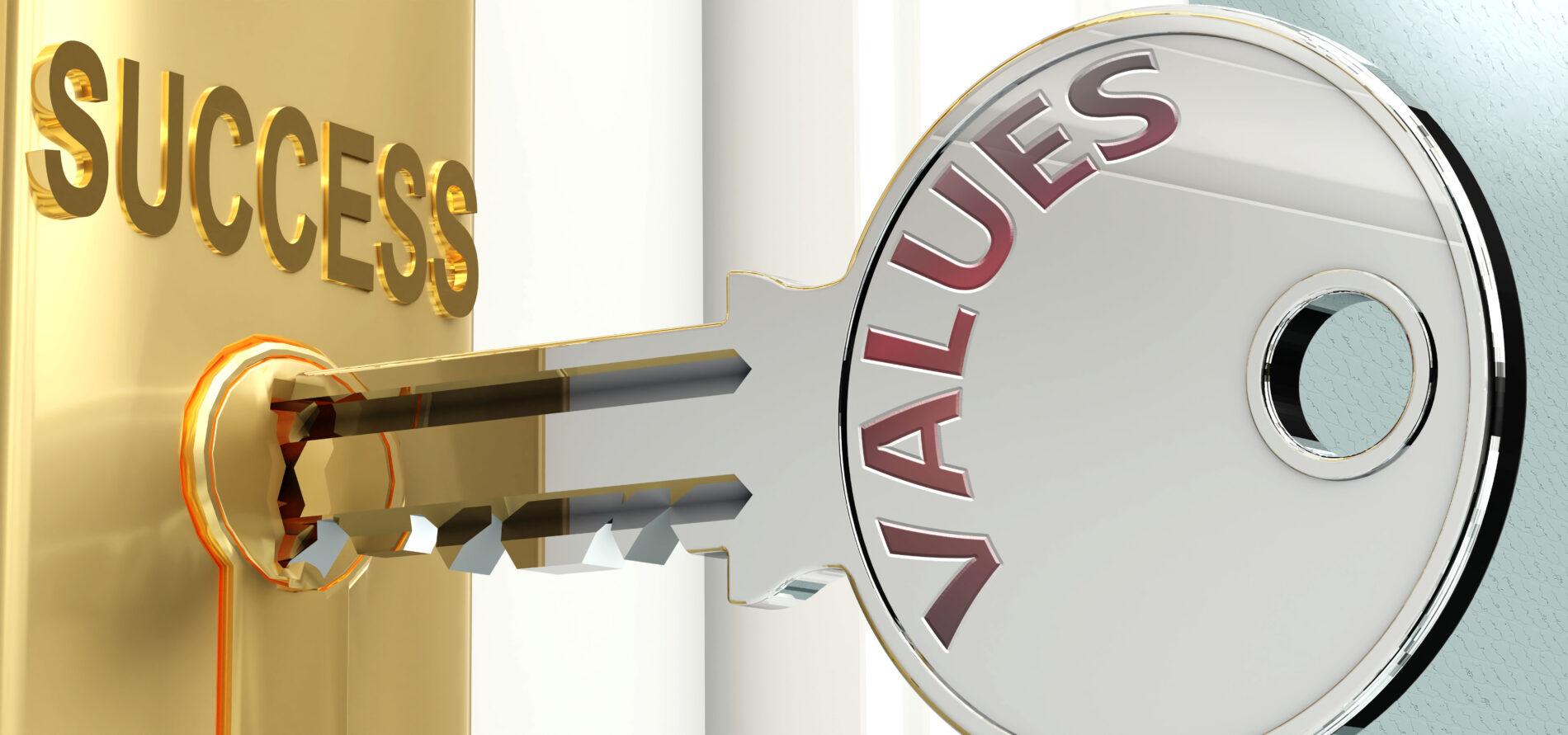
    Leadership is not just about making decisions or achieving results—it’s about setting an example and guiding others toward a common purpose. One of the most powerful ways a leader can do this is by having, setting, and living values that resonate with both themselves and their team. Values are the principles and beliefs that guide actions, shape behaviors, and define the culture of an organization. For leaders in any field, including maintenance and operations, these values become the foundation upon which everything else is built. In the context of Leadership Values in Maintenance and Operations, this foundation is especially critical, as it ensures safety, reliability, and collaboration in high-stakes environments.

    Having Core Values

    As a leader, it’s crucial to first define your personal core values. These values reflect who you are as a person and a professional, and they should guide how you approach challenges, make decisions, and interact with others. Core values might include integrity, accountability, respect, innovation, or teamwork—each leader’s set of values will be unique to them.

    When you, as a leader, know your core values, they act as an internal compass. They provide clarity in times of uncertainty and help you navigate difficult decisions. For example, if you value integrity above all else, you’ll prioritize honesty and transparency, even when facing uncomfortable situations. Your personal values inform your leadership style, influence your behavior, and set the tone for the culture you create within your team or organization. This is especially true when it comes to Leadership Values in Maintenance and Operations, where integrity and accountability can directly impact safety and operational success.

    Setting Values for the Team

    Once you’ve defined your personal values, the next step is setting values for your team. These team values should align with the broader organizational mission and vision but should also reflect the unique needs and dynamics of the maintenance team. Setting values for the team isn’t just about choosing words that sound good—it’s about creating principles that everyone can commit to and live by.

    For instance, in the maintenance world, values like safety, reliability, and collaboration are key. Safety ensures that everyone works in a secure environment, reliability promotes the proper care of assets, and collaboration fosters a strong team spirit. By clearly setting these values, you help your team understand what behaviors and attitudes are expected. Team values become the collective identity and rallying point for everyone involved, helping them stay focused on what truly matters. In the realm of Leadership Values in Maintenance and Operations, these principles are non-negotiable, as they directly impact both team performance and organizational outcomes.

    Setting values for your team also involves leading by example. As a leader, if you expect your team to prioritize safety, you must demonstrate safe work practices yourself. If you value collaboration, you should actively seek input from others and encourage open communication. When you embody the values you set, it shows the team that these principles are not just theoretical—they’re fundamental to how you operate every day.

    Living Your Values

    The most crucial aspect of having and setting values is living them. A leader who sets values but fails to demonstrate them in their actions will quickly lose credibility. Leadership is not about what you say, it’s about what you do. If you claim to value integrity but make unethical decisions or prioritize short-term gains over long-term sustainability, your team will see through the hypocrisy.

    Living your values involves consistently modeling the behaviors you expect from others, whether that’s through making tough decisions, handling conflicts, or managing day-to-day operations. For example, if you value accountability, you must take responsibility for both successes and failures. If you expect your team to demonstrate respect, you need to treat everyone with dignity and fairness, no matter their position. In the context of Leadership Values in Maintenance and Operations, living your values is essential for fostering trust and ensuring that safety and reliability remain top priorities.

    Moreover, living your values helps to inspire your team. When your actions align with the values you set, your team will be more likely to embrace and reflect those values themselves. Values create a sense of trust and respect, which are essential for building strong, high-performing teams. When a leader consistently lives their values, it creates a culture where team members feel motivated to align with those same principles, resulting in greater engagement, collaboration, and ultimately, success.

    Conclusion

    Having, setting, and living values is the bedrock of effective leadership. Values guide decisions, shape behaviors, and influence the culture within a team or organization. As a leader, your personal values form the foundation for the values you set for your team. When you live these values consistently, you foster trust, inspire others, and create a cohesive and motivated team. Leadership is more than just results—it’s about creating a lasting impact through the principles that guide every action. In the world of Leadership Values in Maintenance and Operations, this impact is felt in the safety, reliability, and collaboration that define high-performing teams. When leaders live their values, they inspire others to do the same, creating a culture of integrity, accountability, and success.