Tag: Efficiency

  • Team Building: Strengthening Connections for Success

    Team Building: Strengthening Connections for Success

    The power of a strong team cannot be overstated. Teams drive innovation, solve complex problems, and deliver results that no individual could achieve alone. Yet, successful teamwork doesn’t happen by chance—it requires intentional effort through team building. 

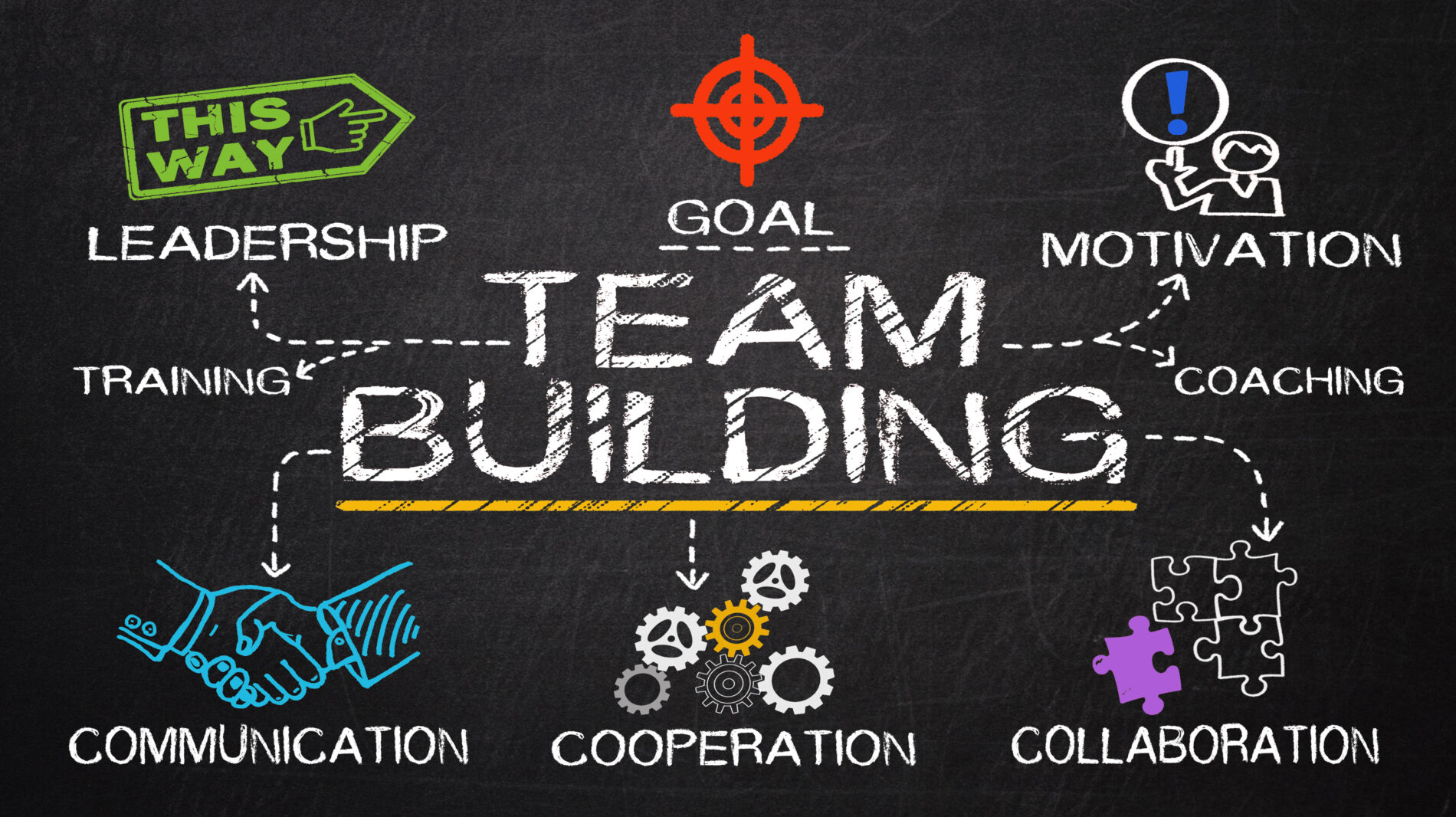
    Team building is the art and science of creating connections, fostering collaboration, and aligning individuals toward a common goal. While it’s often associated with trust falls and icebreaker games, effective team building goes far beyond these surface-level activities. It focuses on strengthening relationships, improving communication, and establishing a shared sense of purpose. 

    Why Team Building Matters 

    At its heart, team building is about creating an environment where people feel valued, respected, and motivated to work together. A cohesive team isn’t just a group of individuals completing tasks—it’s a dynamic network of mutual support and shared accountability. 

    When teams are built intentionally, the benefits ripple throughout the organization: 

    • Enhanced Communication
      Team building activities break down communication barriers, encourage open dialogue, and help individuals understand each other’s strengths, preferences, and working styles. 
    • Stronger Collaboration
      Trust and mutual respect are the foundation of collaboration. When team members feel connected, they’re more likely to share ideas, take risks, and support one another in achieving common goals. 
    • Higher Morale and Engagement
      A team that works well together creates a positive work environment. This sense of camaraderie boosts morale, fosters engagement, and reduces turnover. 
    • Improved Problem-Solving
      Teams that trust one another are more willing to share ideas and work through challenges together, enabling them to address issues creatively and effectively. 

    Strategies for Effective Team Building 

    Building a high-performing team doesn’t require extravagant retreats or elaborate exercises. Instead, it’s about creating meaningful opportunities for connection and collaboration. Here are some practical strategies: 

    • Celebrate Successes
      Recognizing team achievements, no matter how small, reinforces positive behaviors and builds a sense of pride and unity. 
    • Invest in Development
      Providing opportunities for skill-building, both individually and collectively, equips teams to handle challenges with confidence and resilience. 

    The Ripple Effect of Team Building 

    Imagine a manufacturing maintenance team that operates like a well-oiled machine. Through targeted team building efforts, technicians feel empowered to share knowledge, collaborate on solutions, and trust one another’s expertise. Downtime is minimized, efficiency improves, and morale soars. 

    The power of team building lies in its ability to transform groups of individuals into unified, high-performing teams. These teams don’t just achieve results—they create a culture of excellence that drives the entire organization forward. 

    Conclusion 

    Team building is more than an occasional activity; it’s an ongoing commitment to fostering connection and collaboration. By investing in the growth and cohesion of your team, you unlock potential that benefits not only the individuals involved but the organization as a whole. Strong teams are the foundation of success, and intentional team building is the key to making it happen. 

  • The Necessity of Business Acumen in Maintenance

    The Necessity of Business Acumen in Maintenance

    Maintenance professionals have long been regarded as the unsung heroes of organizational operations, ensuring machines run smoothly and assets remain productive. Yet, in today’s competitive business environment, the role of maintenance has expanded beyond just fixing what’s broken. To truly drive organizational success, maintenance leaders and teams must possess a strong sense of business acumen. This blend of operational expertise and strategic understanding allows them to align their efforts with overarching business goals, transforming maintenance from a cost center into a value-creating powerhouse. 

    The Role of Business Acumen in Maintenance 

    • Connecting Maintenance to Business Objectives
      Maintenance is no longer just about keeping equipment operational; it’s about ensuring that the organization’s strategic goals—such as profitability, efficiency, and sustainability—are achieved. Leaders with business acumen understand how their department’s activities influence key performance indicators like Overall Equipment Effectiveness (OEE), Return on Assets (ROA), and EBITDA. This awareness enables them to prioritize tasks and allocate resources to areas that have the greatest impact on the bottom line. 
    • Budgeting and Financial Savvy
      Maintenance teams often manage significant budgets for labor, spare parts, tools, and equipment upgrades. Business acumen helps leaders make informed financial decisions, such as evaluating the return on investment (ROI) of predictive maintenance technologies or determining the cost-benefit ratio of repairing versus replacing aging assets. With a solid grasp of financial principles, maintenance leaders can advocate for their needs in budget discussions, demonstrating how their plans contribute to long-term profitability. 
    • Risk Management and Cost Avoidance
      Unplanned downtime can cost organizations thousands, if not millions, in lost productivity, scrapped materials, and missed deadlines. Maintenance professionals with business acumen don’t just react to equipment failures—they proactively manage risks by implementing strategies like reliability-centered maintenance (RCM) and predictive maintenance. By reducing the frequency and severity of failures, they safeguard the organization’s financial stability and reputation. 
    • Collaboration Across Departments
      Maintenance doesn’t operate in a vacuum; it intersects with production, supply chain, finance, and other functions. Business acumen fosters better collaboration by enabling maintenance professionals to speak the language of other departments. For example, they can work with production teams to schedule downtime in ways that minimize disruption or partner with procurement to secure cost-effective spare parts without compromising quality. 

    Building Business Acumen in Maintenance 

    • Understanding Financial Metrics
      Maintenance professionals should familiarize themselves with metrics like cost per unit produced, asset utilization, and operating margins. This knowledge allows them to see how their work directly impacts the organization’s financial health. 
    • Learning to Prioritize
      Not all maintenance activities have the same impact on the bottom line. Leaders with business acumen prioritize tasks that reduce downtime, improve efficiency, and extend asset life, focusing their efforts where they matter most. 
    • Communicating Value
      To gain support from executives, maintenance leaders must effectively communicate how their initiatives align with business goals. This might involve presenting data-driven insights on cost savings, productivity gains, or risk reduction achieved through maintenance programs. 

    Realizing the Potential 

    A maintenance team armed with business acumen doesn’t just fix machines; they drive organizational success. They identify opportunities for efficiency, champion innovation, and position maintenance as a strategic asset. In a world where businesses must continuously improve to stay competitive, the necessity of business acumen in maintenance is no longer optional—it’s a critical component of success. 

    By fostering this mindset, organizations empower their maintenance teams to move beyond the mechanical and into the strategic, ensuring their work contributes to both operational excellence and financial performance 

  • The Necessity of True Change Management in Maintenance

    The Necessity of True Change Management in Maintenance

    The Necessity of True Change Management in Maintenance 

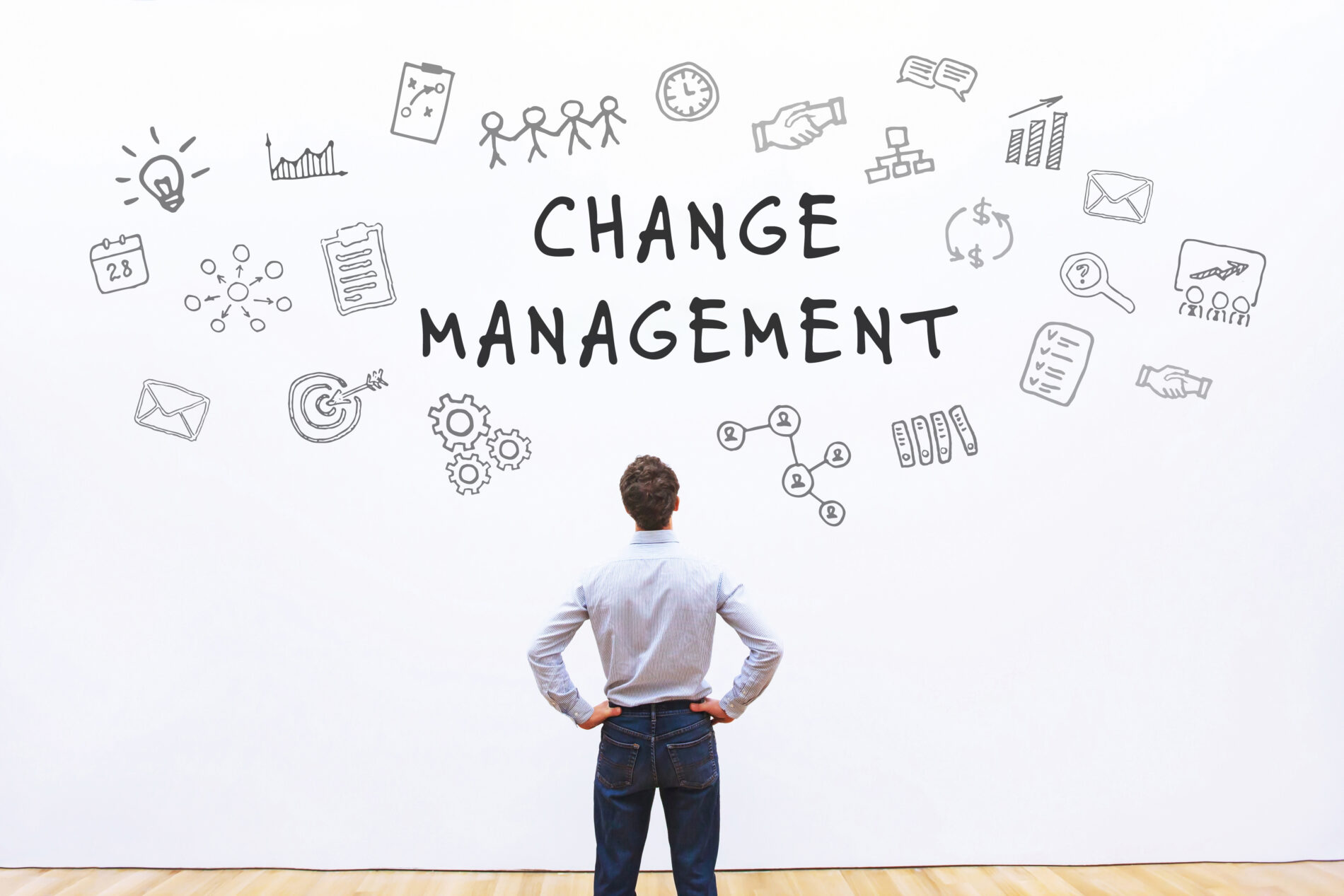
    Change is an inevitable part of every industry, and maintenance is no exception. Whether it’s the introduction of new technologies, processes, or leadership, how an organization handles change can significantly impact its operational efficiency and overall success. However, when it comes to maintenance, true change management goes beyond simply implementing new systems—it’s about transforming the culture, mindset, and approach of the entire organization to ensure lasting improvement. 

    Understanding Change Management in Maintenance 

    Change management in maintenance involves a structured approach to shifting the way maintenance teams and organizations operate. This includes altering processes, roles, tools, and technologies to enhance performance. It’s not just about adopting a new software tool or updating equipment—it’s about ensuring that everyone in the organization, from leadership to frontline workers, understands and supports the changes being made. 

    For example, when moving from a reactive maintenance strategy to a more proactive approach like predictive maintenance (PdM), the organization must make sure its teams are properly trained and equipped. This transition doesn’t happen overnight—it requires careful planning, communication, and support from all levels of the organization. A lack of strategic change management can lead to resistance, confusion, and a loss of momentum, ultimately compromising the effectiveness of the change. 

    Why True Change Management Is Essential 

    1. Aligning with Strategic Goals Maintenance departments don’t operate in a vacuum—they are an integral part of the overall business strategy. Implementing change without aligning it with the organization’s broader goals can result in wasted resources or conflicting priorities. True change management ensures that the changes made in maintenance support the company’s long-term objectives, whether that’s increasing uptime, improving asset longevity, or reducing costs. Without this alignment, maintenance changes can become disconnected from the company’s vision, undermining their effectiveness. 
    1. Managing Resistance to Change One of the most significant challenges in change management is managing resistance. People are naturally inclined to resist change, especially if it disrupts their routines or introduces uncertainty. In the context of maintenance, this resistance can be particularly pronounced as technicians and operators may be hesitant to adopt new tools or workflows. A robust change management strategy helps address these concerns, creating a clear path forward that allows teams to feel comfortable with the new processes. Providing training, clear communication, and involving key stakeholders early on in the change process can foster buy-in and reduce resistance. 
    1. Ensuring Long-Term Sustainability Maintenance improvements can often be short-lived if they are not sustained through proper change management. Implementing new processes or tools requires ongoing monitoring, training, and adaptation. Without an effective change management plan, organizations risk falling back into old habits or neglecting to update processes as needs evolve. By embedding change into the organization’s culture, true change management ensures that improvements are maintained and continuously built upon. 
    1. Building a Culture of Continuous Improvement True change management in maintenance also fosters a culture of continuous improvement. When employees are empowered to participate in the change process, they become more engaged in identifying potential improvements and innovating within their roles. This culture not only boosts morale but also drives performance by creating an environment where everyone is focused on ongoing optimization. 

    Conclusion 

    In the maintenance field, change is not just a one-off event—it’s an ongoing process that needs to be managed with care and precision. Without true change management, even the most well-planned initiatives can fail to achieve their intended results. By taking a structured approach that aligns with the organization’s strategic goals, addresses resistance, ensures sustainability, and builds a culture of continuous improvement, maintenance leaders can successfully navigate the complexities of change and drive lasting transformation in their operations. 


  • The Necessity of Communication as a Leader in Maintenance

    The Necessity of Communication as a Leader in Maintenance

    Effective communication is often cited as one of the most essential leadership skills in any field. In the maintenance sector, where operations are complex, fast-paced, and directly linked to the safety and efficiency of equipment, communication becomes even more critical. As a leader in maintenance, your ability to clearly convey information, foster collaboration, and keep all team members aligned can directly impact the success of your operations and the achievement of your organizational goals. This is why effective communication in maintenance leadership is not just a skill, it’s a necessity.

    Building Trust and Clarity

    One of the most vital aspects of leadership is building trust within your team. Transparent and open communication plays a significant role in this process. Maintenance teams are often under pressure to solve problems quickly and efficiently, and this can lead to high-stress environments. As a leader, communicating openly about challenges, goals, and expectations can help reduce anxiety and uncertainty, fostering a more cohesive and focused team.

    When maintenance teams understand the “why” behind decisions, they are more likely to feel invested in the outcome. For example, when rolling out a new maintenance strategy, such as predictive maintenance or a major overhaul of procedures, clear communication helps team members understand the purpose of the changes and how it aligns with broader organizational objectives. This not only helps reduce resistance but also empowers teams to make decisions that align with these goals. In the context of effective communication in maintenance leadership, this clarity is essential for driving alignment and engagement.

    Preventing and Solving Problems

    Maintenance is an environment where issues can arise at any time. Machines break down unexpectedly, safety incidents occur, or unplanned downtime affects production. In these moments, effective communication can be the difference between a quick resolution and a prolonged issue. Leaders who foster an environment where team members are comfortable sharing problems and ideas can spot potential issues early and address them proactively.

    Regular communication within the maintenance team—whether through daily meetings, reports, or digital collaboration tools—ensures that everyone is aware of potential risks, ongoing issues, and successes. It enables quick adjustments when problems arise and ensures that no detail is overlooked. Moreover, fostering an environment where employees feel they can voice concerns without fear of reprimand creates a culture of transparency that can prevent problems from escalating. This is a cornerstone of effective communication in maintenance leadership.

    Aligning Teams with Organizational Goals

    As a maintenance leader, you are not only responsible for managing day-to-day operations but also for ensuring that your team’s activities align with the broader strategic goals of the organization. Clear communication about the company’s objectives, the role of maintenance in achieving those objectives, and how each team member contributes to that vision is essential for maintaining focus and alignment.

    For instance, if one of the company’s goals is to reduce production downtime, you’ll need to communicate how your maintenance strategy directly impacts that goal. Whether it’s through improved preventive maintenance schedules, asset optimization, or better resource allocation, showing the connection between maintenance activities and company success helps keep your team motivated and focused. This alignment is a key outcome of effective communication in maintenance leadership.

    Additionally, clear communication with other departments — such as operations, engineering, or finance — is necessary to ensure that maintenance strategies are integrated into the overall business plan. As a leader, you must be able to convey the importance of maintenance within the broader context of production, quality control, and profitability.

    Inspiring and Motivating the Team

    A strong leader knows how to inspire and motivate their team, and this largely depends on effective communication. Recognition and feedback, whether positive or constructive, are crucial for maintaining morale and performance. Regularly acknowledging team successes, celebrating milestones, and offering constructive feedback can reinforce the behaviors that lead to improved results.

    Moreover, by actively listening to your team, you can identify opportunities for improvement, address concerns, and ensure that your leadership decisions reflect the realities of the day-to-day challenges they face. This not only fosters a sense of inclusion and respect but also enables you to make informed decisions that are more likely to be successful. This is the essence of effective communication in maintenance leadership — building trust, solving problems, and driving results.

    Conclusion

    Communication is at the heart of successful leadership in maintenance. It drives trust, helps solve problems, aligns teams with organizational goals, and motivates team members to perform at their best. As a leader, your ability to communicate effectively with your team, other departments, and senior leadership can make or break the success of maintenance initiatives. Whether you’re addressing a sudden breakdown, implementing a new strategy, or celebrating success, clear, consistent, and open communication ensures that your team stays focused, engaged, and aligned in achieving both short-term and long-term goals. This is why effective communication in maintenance leadership is not just a skill — it’s a necessity.

  • Cultivating Excellence: The Art of Building a Reliability Culture

    Cultivating Excellence: The Art of Building a Reliability Culture

    In the realm of industrial operations, a culture of reliability isn’t just a preference; it’s a necessity. It’s the bedrock of efficiency, safety, and sustainability, providing the fertile ground for organizations to thrive and adapt in an ever-evolving world. In this blog, we will explore the methods and principles that guide the development of a reliability culture, the essence of operational excellence.

    Understanding the Reliability Culture

    A reliability culture is a shared commitment within an organization to consistently deliver on promises and expectations. It’s about instilling a mindset where everyone, from top management to front-line employees, values reliability as a core principle.

    1. Leadership Commitment

    Building a reliability culture begins at the top. Leaders must set the tone by demonstrating unwavering commitment to reliability. Their actions and decisions should align with the organization’s reliability goals.

    1. Clear Vision and Values

    An organization’s reliability vision and values must be articulated and communicated clearly. This clarity provides a roadmap for all employees to understand the importance of reliability in achieving the organization’s goals.

    1. Education and Training

    Invest in education and training programs to equip employees with the skills and knowledge needed to promote reliability. These programs can cover areas like preventive maintenance, safety, and best practices.

    1. Employee Involvement

    In a reliability culture, employees are not just the recipients of policies; they actively contribute to their development. Encourage feedback and involvement in decision-making processes to empower and engage your workforce.

    1. Accountability and Measurement

    Reliability must be measurable. Set clear, quantifiable targets and hold individuals and teams accountable for meeting them. This fosters a sense of responsibility and ownership.

    1. Preventive Maintenance

    Preventive maintenance is a cornerstone of a reliability culture. Regular equipment inspections, maintenance schedules, and condition monitoring are essential to keep machinery in peak condition.

    1. Data-Driven Decision-Making

    Leverage data analytics and condition monitoring systems to make informed decisions. Real-time data provides insights for predictive maintenance and helps optimize schedules.

    1. Safety Protocols

    A culture of reliability goes hand-in-hand with safety. Safety protocols ensure that employees and assets are protected. A safe work environment is crucial for operational reliability.

    1. Continuous Improvement

    A reliability culture is not static; it’s dynamic. Encourage a culture of continuous improvement where employees are empowered to suggest changes and innovations. Regularly review and refine processes.

    1. Collaboration and Communication

    Foster collaboration and open communication across departments. Silos can lead to inefficiencies and breakdowns in reliability.

    1. Recognition and Rewards

    Recognize and reward reliability excellence. Acknowledging and celebrating achievements in reliability reinforces the importance of this culture.

    1. Resilience and Adaptation

    In a rapidly changing world, adaptability is crucial for reliability. Organizations must be resilient and ready to adapt to new technologies, regulations, and market conditions.

    1. Training Programs

    Offer training programs and resources to enhance the skills and knowledge of your employees. Knowledgeable and well-trained teams are more reliable.

    1. Ethics and Integrity

    Reliability goes beyond machinery; it’s also about ethical behavior. Uphold the highest standards of integrity and ethics within your organization to reinforce the reliability culture.

    In conclusion, a reliability culture isn’t just about machinery; it’s about fostering a mindset that values trust, responsibility, and continuous improvement. It’s an investment in long-term success, efficiency, and operational excellence. Organizations that embrace a reliability culture are better prepared to navigate the challenges of the modern business landscape and ensure that they deliver on their promises consistently. Reliability isn’t just a goal; it’s a culture that permeates every aspect of an organization, from leadership to daily operations.


  • Self Ownership Part 4

    Self Ownership Part 4

    The focus on attention to detail is one of the most critical portions of self-ownership. Everyone can walk by trash, but when the leader does it, it’s sending a message. The focus on attention to detail, especially in contracts, is best illustrated by the famous rock group, Van Halen.

    Rock stars are able to put seemingly insane requests into what they need from the venues they perform at, and Van Halen was no different. After all, they’re the reason venues can charge hundreds of dollars per seat, they can choose to be picky.

    They had a giant contract for whenever they’d play at a venue, which they were known for having a very specific and odd request.

    They demanded that there was a bowl of M&M’s (the chocolate candy) with ABSOLUTELY NO BROWN M&M’s in the bowl. Their contract actually had it in all capital letters.

    For years, venue managers mocked the request, thinking it was just another case of rock stars being demanding. Van Halen’s road team had a different point of view.

    Van Halen was using the largest lighting equipment that any touring group had ever used. They were so heavy, and required such support, that the road crew knew there could be deadly consequences if a light that weighed 300 pounds fell on the audience. When the road crew would get to a new venue, they could either start the day-long process of having a dozen men going through every single portion of the stage to confirm that the venue had prepared properly, or they could have one intern go check the bowl of M&M’s.

    Their insight was that if someone went through the trouble of picking the brown M&M’s out of the bowl, the owners of the venue definitely went through the prep work required to have a safe show. The road crew would do a shortened version of their prep and know the risks were handled.

    But if someone didn’t pick out all of the brown M&M’s in the bowl, then they definitely missed something else in the contract, and that something else could get people hurt or killed. If there was a brown M&M in the bowl, they went through every single item on the checklist because they knew that the owners of the venue hadn’t taken the ownership of the event as seriously as they should have.

    When the venue owner’s failed to own the task, the road crew took that responsibility over, because it might have been the venue’s fault, but the road crew would be the ones responsible if someone was hurt.

    The amount of self-ownership demonstrated by the road crew of Van Halen was impressive, which is why it’s still talked about today. The lessons from a rock band in the 80’s can still be implemented today, and you can use a similar mindset to the same effect today.

    When I consult with a company, one thing I always need to do is to bring attention to the company and the reality of their situation. The reality is most problems are downstream from a total lack of self-ownership.

    Within the company, each level of management down to individual contributors are partially or totally lacking in self-ownership. There’s usually a few frustrated, exhausted people who are trying to overcompensate for the failure of the rest of the team.

    To help bring this reality check into effect, I like to have a difficult conversation. I’ll be in a meeting with a dozen or more people across the whole company and after understanding the general landscape of where the company is, and outlining where the company should be I’ll say:

    “These are my expectations, and I know my bar is high. But how low does my bar need to be set to meet your expectations?”

    It’s always total silence after I ask.

    Everyone in the room is at first stunned because they can’t believe I actually said something like that. Next, they have to do the mental math on how much lower their standards of the processes, people and outcomes they’re supposed to be the person in charge of owning them.

    After a long enough pause to make sure it’s finally sunk in to these people that they’ve been the ones who have let the standards fall far enough that I have to come in, I follow up with the next quote.

    “If you want friends, buy a puppy. We’re here to run a business and you brought me in to do a job because it’s not getting done right now. If you want to exceed my expectations, I’m on board. But first we’re going to get to my level.”

    To quote The Departed: “I’m the guy who does his job, you must be the other guy.”

    This intense concentration on seriously owning everything you do has made me well known in my field as the go-to man for turning businesses around. Self-ownership is the foundation. If you’re not willing to totally commit to owning the process, it doesn’t matter how smart you are or how well you know the business because something will always fall through the cracks.

  • Certification and Competencies

    Certification and Competencies

    Competency is defined as the capability to apply or use the set of related knowledge, skills, and abilities required to successfully perform a task or work safely and consistently to a required standard. Simply stated, Competency is a critical skill set needed to do a job successfully. On the other hand, Certifications are designated credentials earned by an individual or organization to verify their legitimacy and competence to perform a job or produce something in a stated environment. Certification is typically displayed as a document stating that you have acquired appropriate knowledge, been trained, and are prepared to meet a specific set of criteria as a professional. This certification is awarded only after you’ve passed the proper assessments administered by a recognized third-party credentialing institution or organization. Generally speaking, there are three general types of certification: Organization -internal, Product-specific, and Profession-wide, such as reliability and maintenance professional. Some examples of professional certifications are CMRP, CMRT, CRL, CMM, MLT, CAMA, etc.

    Professional certification is not a replacement for accredited degree work but instead is supposed to complement your education or professional experience in your field. Once you’ve earned a certification, you are given a designation that you can use after your name as a way to distinguish certified professionals. Obtaining professional certification displays your dedication to your profession and verifies that you’re well-trained to use your industry’s best practices and tools effectively. Taking the time and effort to obtain these certifications can show potential employers that you are a valuable contributor to your profession and help you gain recognition for your commitment to continuous learning and self-improvement.

    The significant advantages of becoming certified in your work include:

    • Knowledge and skills to implement best practices
    • Professional credibility
    • Improved Efficiency
    • Competitive advantage
    • Improved earning potential

    If you have any questions on this topic or others, please fill out the form below or get in touch with us at ReliabilityX!