
Tag: Communication

  • The Power of Empowering Employees: Unlocking Potential and Driving Success

    The Power of Empowering Employees: Unlocking Potential and Driving Success

    Empowering employees is more than a management buzzword—it’s a transformative approach to leadership that benefits individuals, teams, and organizations alike. When employees feel empowered, they take ownership of their roles, embrace responsibility, and actively contribute to the success of their organization. But what does empowerment truly mean, and how can leaders create an environment where it thrives? 

    At its core, empowerment is about trust. It involves granting employees the autonomy to make decisions, solve problems, and take actions within their roles. This trust not only boosts morale but also encourages employees to innovate, challenge the status quo, and drive improvements. The result? A more engaged workforce that’s motivated to contribute at its highest potential. 

    Why Empowerment Matters 

    Empowered employees are engaged employees. Research consistently shows that engagement directly correlates with productivity, quality, and even profitability. When employees feel their ideas are valued and their efforts make a difference, they become more invested in their work. This translates to higher performance, improved customer satisfaction, and reduced turnover—a win-win for employees and employers alike. 

    Moreover, empowerment fosters a sense of ownership. Employees who are trusted to make decisions take greater pride in their work. This sense of accountability not only boosts their confidence but also encourages them to seek out opportunities for personal and professional growth. 

    Creating a Culture of Empowerment 

    Empowering employees requires more than assigning tasks and hoping for the best. It starts with leadership that is committed to fostering a supportive and trusting environment. Here are a few key strategies to cultivate empowerment: 

    • Provide Clear Expectations
      Employees need clarity to feel confident in their roles. Clear expectations about responsibilities, goals, and organizational priorities enable them to make informed decisions that align with the company’s vision. 
    • Offer Resources and Training
      Empowerment without the proper tools and knowledge can lead to frustration. Equip employees with the resources, training, and support they need to excel in their roles. 
    • Recognize and Reward Contributions
      Acknowledge employees’ efforts and celebrate their successes. Recognition reinforces positive behaviors and motivates others to take initiative. 
    • Listen and Act on Feedback
      Empowerment is a two-way street. Actively seek input from employees, value their opinions, and incorporate their feedback into decision-making processes. 

    Real Results of Empowerment 

    Consider a maintenance team where technicians are encouraged to take ownership of equipment reliability. Instead of simply following work orders, they are empowered to analyze data, propose improvements, and implement solutions. Over time, this proactive approach reduces downtime, increases efficiency, and instills a sense of pride among team members. 

    The ripple effects of empowerment extend beyond the immediate team. Empowered employees often inspire their peers, creating a culture of collaboration and continuous improvement. This collective mindset drives innovation and strengthens the organization’s competitive advantage. 

    Conclusion 

    Empowering employees isn’t just a strategy; it’s a philosophy that transforms workplaces. By trusting your team, providing them with the tools to succeed, and recognizing their contributions, you unlock potential that drives organizational success. The power of empowerment lies in its ability to create not just stronger employees, but a stronger, more resilient organization. Leaders who embrace empowerment inspire growth, innovation, and excellence at every level. 
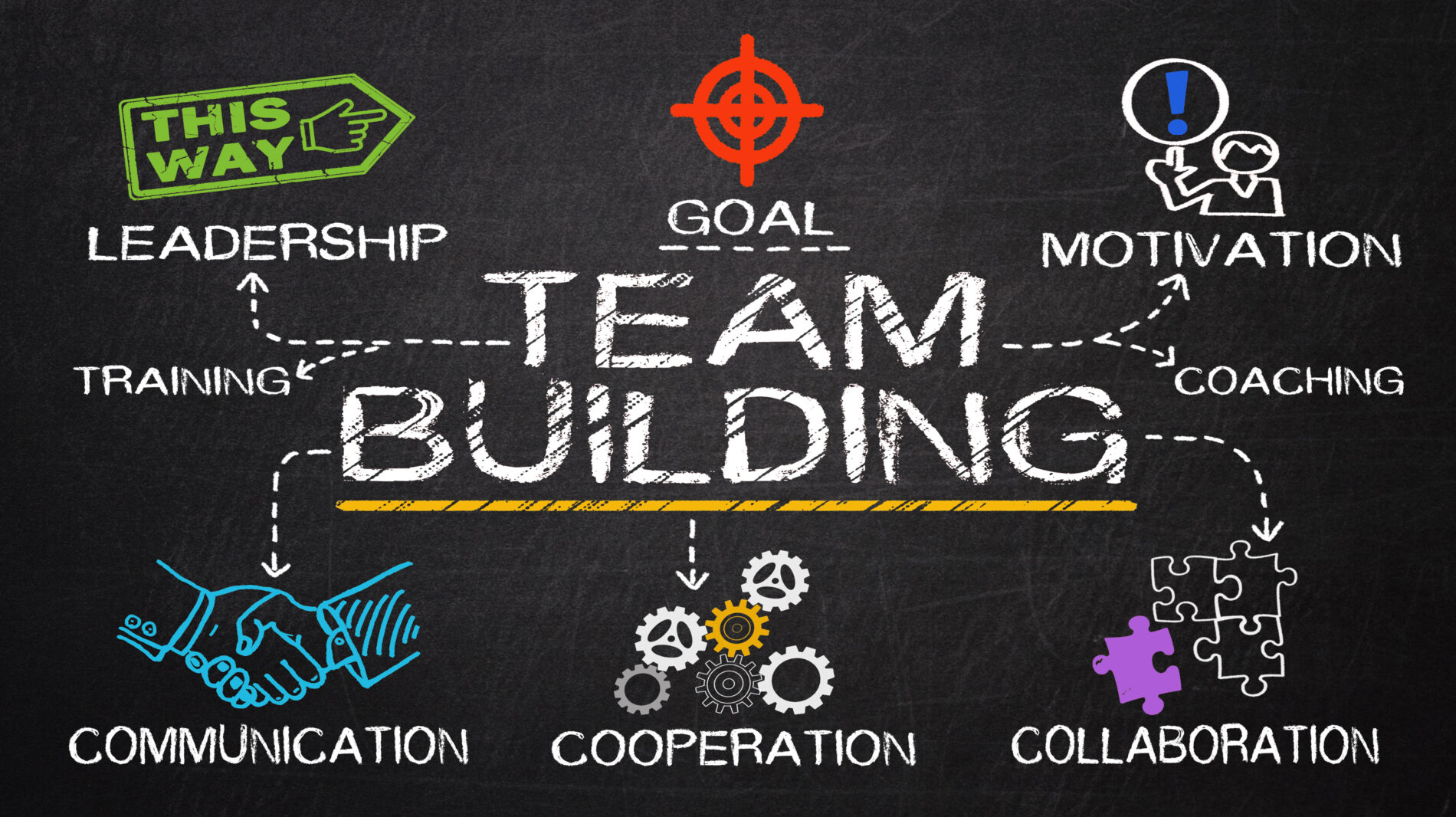
  • Team Building: Strengthening Connections for Success

    Team Building: Strengthening Connections for Success

    The power of a strong team cannot be overstated. Teams drive innovation, solve complex problems, and deliver results that no individual could achieve alone. Yet, successful teamwork doesn’t happen by chance—it requires intentional effort through team building. 

    Team building is the art and science of creating connections, fostering collaboration, and aligning individuals toward a common goal. While it’s often associated with trust falls and icebreaker games, effective team building goes far beyond these surface-level activities. It focuses on strengthening relationships, improving communication, and establishing a shared sense of purpose. 

    Why Team Building Matters 

    At its heart, team building is about creating an environment where people feel valued, respected, and motivated to work together. A cohesive team isn’t just a group of individuals completing tasks—it’s a dynamic network of mutual support and shared accountability. 

    When teams are built intentionally, the benefits ripple throughout the organization: 

    • Enhanced Communication
      Team building activities break down communication barriers, encourage open dialogue, and help individuals understand each other’s strengths, preferences, and working styles. 
    • Stronger Collaboration
      Trust and mutual respect are the foundation of collaboration. When team members feel connected, they’re more likely to share ideas, take risks, and support one another in achieving common goals. 
    • Higher Morale and Engagement
      A team that works well together creates a positive work environment. This sense of camaraderie boosts morale, fosters engagement, and reduces turnover. 
    • Improved Problem-Solving
      Teams that trust one another are more willing to share ideas and work through challenges together, enabling them to address issues creatively and effectively. 

    Strategies for Effective Team Building 

    Building a high-performing team doesn’t require extravagant retreats or elaborate exercises. Instead, it’s about creating meaningful opportunities for connection and collaboration. Here are some practical strategies: 

    • Celebrate Successes
      Recognizing team achievements, no matter how small, reinforces positive behaviors and builds a sense of pride and unity. 
    • Invest in Development
      Providing opportunities for skill-building, both individually and collectively, equips teams to handle challenges with confidence and resilience. 

    The Ripple Effect of Team Building 

    Imagine a manufacturing maintenance team that operates like a well-oiled machine. Through targeted team building efforts, technicians feel empowered to share knowledge, collaborate on solutions, and trust one another’s expertise. Downtime is minimized, efficiency improves, and morale soars. 

    The power of team building lies in its ability to transform groups of individuals into unified, high-performing teams. These teams don’t just achieve results—they create a culture of excellence that drives the entire organization forward. 

    Conclusion 

    Team building is more than an occasional activity; it’s an ongoing commitment to fostering connection and collaboration. By investing in the growth and cohesion of your team, you unlock potential that benefits not only the individuals involved but the organization as a whole. Strong teams are the foundation of success, and intentional team building is the key to making it happen. 

  • Decision Making: Shaping Success Through Choice 

    Decision Making: Shaping Success Through Choice 

    Decision-making is one of the most powerful tools at a leader’s disposal. Whether it’s determining strategic priorities, allocating resources, or solving day-to-day challenges, the ability to make informed and timely decisions can mean the difference between success and failure. It is a skill that shapes the trajectory of teams, organizations, and even industries. 

    At its core, decision-making isn’t just about choosing between options—it’s about understanding the impact of those choices, balancing risks and rewards, and taking responsibility for the outcomes. Strong decision-making builds trust, drives progress, and creates clarity, all of which are essential in today’s fast-paced and competitive business landscape.

    Decision-making is a key leadership skill that drives success, fosters innovation, and builds trust. Learn how structured decision-making can shape outcomes and propel teams forward. 

    Why Decision-Making Matters 

    Good decision-making ensures that organizations stay aligned with their goals, remain adaptable to change, and continuously improve. Here are some key reasons why decision-making is so impactful: 

    • Provides Direction
      Decisions set the course for action. Without them, teams can become stagnant, uncertain, or misaligned. Leaders who make confident and clear decisions provide their teams with the direction needed to move forward. 
    • Drives Efficiency
      Delayed decisions lead to wasted time and missed opportunities. A strong decision-making process streamlines operations, reduces inefficiencies, and ensures that resources are used effectively. 
    • Builds Trust
      Teams respect leaders who can evaluate situations, make choices, and take responsibility for their decisions. This trust fosters a collaborative environment where individuals feel empowered to contribute their best. 
    • Facilitates Growth and Innovation
      Decisions often require taking calculated risks. Leaders who embrace decision-making as a growth tool encourage innovation, experimentation, and the pursuit of excellence. 

    The Decision-Making Process 

    Effective decision-making doesn’t happen by chance; it requires a structured approach. Consider these steps to refine your decision-making skills: 

    • Define the Problem
      Clearly identify the issue at hand. Ambiguity leads to poor decisions, so ensure the scope of the problem is well understood. 
    • Gather Information
      Collect relevant data and perspectives. This includes understanding the context, analyzing past outcomes, and considering the needs of stakeholders. 
    • Evaluate Options
      Weigh the pros and cons of each possible course of action. Identify potential risks and benefits, keeping organizational goals in mind. 
    • Make the Decision
      Avoid overanalyzing. While it’s important to be thorough, indecision can be more damaging than a wrong decision. Commit to a choice and move forward. 
    • Communicate and Implement
      Share the decision with those it affects. Clear communication ensures alignment and builds confidence in the chosen path. 
    • Review and Learn
      Reflect on the outcome of the decision. What went well? What could be improved? This analysis strengthens future decision-making. 

    Example: Decision-Making in Action 

    Imagine a manufacturing leader faced with consistent equipment downtime. By assessing the problem, gathering input from maintenance teams, and analyzing equipment data, they decide to invest in predictive maintenance tools. The decision reduces downtime, boosts productivity, and aligns with long-term operational goals. 

    Conclusion 

    The power of decision-making lies in its ability to drive progress, build trust, and achieve results. Strong strategic decision-making creates clarity in chaos and empowers teams to act confidently. By embracing the process of making informed and timely choices, leaders position themselves and their organizations for sustained success.


  • The Power of Direction Setting: Leading with Purpose and Clarity

    The Power of Direction Setting: Leading with Purpose and Clarity

    In any organization, the absence of clear direction can lead to confusion, inefficiency, and stagnation. Direction setting—the process of defining a vision, establishing goals, and communicating a clear path forward—is one of the most critical functions of leadership. When done effectively, it empowers teams, drives progress, and ensures that everyone is working toward a shared purpose. 

    Why Direction Setting Matters 

    • Clarity Amid Complexity
      In today’s fast-paced and dynamic work environments, ambiguity is a constant threat. Teams often juggle competing priorities, shifting expectations, and unforeseen challenges. Without a clear direction, it’s easy for individuals to feel lost or misaligned. A well-defined direction cuts through the noise, providing clarity on what matters most. 
    • Alignment of Efforts
      Direction setting aligns every team member’s efforts with organizational goals. It ensures that all activities, from daily tasks to long-term projects, are contributing to the bigger picture. When everyone understands where they’re headed and why, collaboration improves, and resources are used more effectively. 
    • Motivation and Engagement
      People are more motivated when they understand the purpose behind their work. Direction setting gives meaning to tasks by linking them to a greater objective. It fosters a sense of belonging and ownership, inspiring individuals to invest their energy and creativity in the mission. 
    • Adaptability and Resilience
      A strong sense of direction acts as a stabilizing force during times of uncertainty. When challenges arise, teams that know their purpose can adapt more effectively, pivoting strategies without losing sight of their ultimate goals. 

    The Components of Effective Direction Setting 

    • Vision
      Every journey begins with a destination. A compelling vision paints a picture of where the organization or team is headed. It should be ambitious yet realistic, serving as a source of inspiration and a guidepost for decision-making. 
    • Goals and Objectives
      Breaking down the vision into specific, measurable goals provides a roadmap for success. These goals can then be broken down into objectives  and can serve as benchmarks for progress, ensuring that the team stays on track. 
    • Communication
      Direction setting is not a solo exercise—it requires clear and consistent communication. Leaders must articulate the vision and goals in a way that resonates with their audience, using language that is both motivating and actionable. 
    • Feedback and Adaptation
      Direction is not set in stone. Effective leaders regularly seek feedback from their teams and adjust the course as needed. This adaptability ensures that the organization remains relevant and responsive to changing circumstances. 

    Example: Direction Setting in Action 

    Consider a leader in a manufacturing plant tasked with improving operational efficiency. They start by defining a vision of becoming a top-performing plant within the organization. They break this vision into goals, such as reducing downtime by 20% and increasing throughput by 15% within the year. They communicate this direction through team meetings, visual dashboards, and regular updates, ensuring alignment at all levels. By involving the team in problem-solving and celebrating small wins along the way, the leader fosters engagement and accountability. 

    Conclusion 

    Direction setting is the cornerstone of effective leadership. It provides clarity, aligns efforts, and motivates teams to achieve greatness. By defining a vision, setting actionable goals, and communicating purposefully, leaders create a path to success that inspires confidence and fuels progress. In a world where uncertainty is inevitable, the power of clear direction cannot be overstated. 

    To learn more about the Maintenance and Reliability Best Practices Framework, click here. For personalized support for your organization, contact us here.

  • The Necessity of True Change Management in Maintenance

    The Necessity of True Change Management in Maintenance

    The Necessity of True Change Management in Maintenance 

    Change is an inevitable part of every industry, and maintenance is no exception. Whether it’s the introduction of new technologies, processes, or leadership, how an organization handles change can significantly impact its operational efficiency and overall success. However, when it comes to maintenance, true change management goes beyond simply implementing new systems—it’s about transforming the culture, mindset, and approach of the entire organization to ensure lasting improvement. 

    Understanding Change Management in Maintenance 

    Change management in maintenance involves a structured approach to shifting the way maintenance teams and organizations operate. This includes altering processes, roles, tools, and technologies to enhance performance. It’s not just about adopting a new software tool or updating equipment—it’s about ensuring that everyone in the organization, from leadership to frontline workers, understands and supports the changes being made. 

    For example, when moving from a reactive maintenance strategy to a more proactive approach like predictive maintenance (PdM), the organization must make sure its teams are properly trained and equipped. This transition doesn’t happen overnight—it requires careful planning, communication, and support from all levels of the organization. A lack of strategic change management can lead to resistance, confusion, and a loss of momentum, ultimately compromising the effectiveness of the change. 

    Why True Change Management Is Essential 

    1. Aligning with Strategic Goals Maintenance departments don’t operate in a vacuum—they are an integral part of the overall business strategy. Implementing change without aligning it with the organization’s broader goals can result in wasted resources or conflicting priorities. True change management ensures that the changes made in maintenance support the company’s long-term objectives, whether that’s increasing uptime, improving asset longevity, or reducing costs. Without this alignment, maintenance changes can become disconnected from the company’s vision, undermining their effectiveness. 
    1. Managing Resistance to Change One of the most significant challenges in change management is managing resistance. People are naturally inclined to resist change, especially if it disrupts their routines or introduces uncertainty. In the context of maintenance, this resistance can be particularly pronounced as technicians and operators may be hesitant to adopt new tools or workflows. A robust change management strategy helps address these concerns, creating a clear path forward that allows teams to feel comfortable with the new processes. Providing training, clear communication, and involving key stakeholders early on in the change process can foster buy-in and reduce resistance. 
    1. Ensuring Long-Term Sustainability Maintenance improvements can often be short-lived if they are not sustained through proper change management. Implementing new processes or tools requires ongoing monitoring, training, and adaptation. Without an effective change management plan, organizations risk falling back into old habits or neglecting to update processes as needs evolve. By embedding change into the organization’s culture, true change management ensures that improvements are maintained and continuously built upon. 
    1. Building a Culture of Continuous Improvement True change management in maintenance also fosters a culture of continuous improvement. When employees are empowered to participate in the change process, they become more engaged in identifying potential improvements and innovating within their roles. This culture not only boosts morale but also drives performance by creating an environment where everyone is focused on ongoing optimization. 

    Conclusion 

    In the maintenance field, change is not just a one-off event—it’s an ongoing process that needs to be managed with care and precision. Without true change management, even the most well-planned initiatives can fail to achieve their intended results. By taking a structured approach that aligns with the organization’s strategic goals, addresses resistance, ensures sustainability, and builds a culture of continuous improvement, maintenance leaders can successfully navigate the complexities of change and drive lasting transformation in their operations. 


  • The Necessity of Communication as a Leader in Maintenance

    The Necessity of Communication as a Leader in Maintenance

    Effective communication is often cited as one of the most essential leadership skills in any field. In the maintenance sector, where operations are complex, fast-paced, and directly linked to the safety and efficiency of equipment, communication becomes even more critical. As a leader in maintenance, your ability to clearly convey information, foster collaboration, and keep all team members aligned can directly impact the success of your operations and the achievement of your organizational goals. This is why effective communication in maintenance leadership is not just a skill, it’s a necessity.

    Building Trust and Clarity

    One of the most vital aspects of leadership is building trust within your team. Transparent and open communication plays a significant role in this process. Maintenance teams are often under pressure to solve problems quickly and efficiently, and this can lead to high-stress environments. As a leader, communicating openly about challenges, goals, and expectations can help reduce anxiety and uncertainty, fostering a more cohesive and focused team.

    When maintenance teams understand the “why” behind decisions, they are more likely to feel invested in the outcome. For example, when rolling out a new maintenance strategy, such as predictive maintenance or a major overhaul of procedures, clear communication helps team members understand the purpose of the changes and how it aligns with broader organizational objectives. This not only helps reduce resistance but also empowers teams to make decisions that align with these goals. In the context of effective communication in maintenance leadership, this clarity is essential for driving alignment and engagement.

    Preventing and Solving Problems

    Maintenance is an environment where issues can arise at any time. Machines break down unexpectedly, safety incidents occur, or unplanned downtime affects production. In these moments, effective communication can be the difference between a quick resolution and a prolonged issue. Leaders who foster an environment where team members are comfortable sharing problems and ideas can spot potential issues early and address them proactively.

    Regular communication within the maintenance team—whether through daily meetings, reports, or digital collaboration tools—ensures that everyone is aware of potential risks, ongoing issues, and successes. It enables quick adjustments when problems arise and ensures that no detail is overlooked. Moreover, fostering an environment where employees feel they can voice concerns without fear of reprimand creates a culture of transparency that can prevent problems from escalating. This is a cornerstone of effective communication in maintenance leadership.

    Aligning Teams with Organizational Goals

    As a maintenance leader, you are not only responsible for managing day-to-day operations but also for ensuring that your team’s activities align with the broader strategic goals of the organization. Clear communication about the company’s objectives, the role of maintenance in achieving those objectives, and how each team member contributes to that vision is essential for maintaining focus and alignment.

    For instance, if one of the company’s goals is to reduce production downtime, you’ll need to communicate how your maintenance strategy directly impacts that goal. Whether it’s through improved preventive maintenance schedules, asset optimization, or better resource allocation, showing the connection between maintenance activities and company success helps keep your team motivated and focused. This alignment is a key outcome of effective communication in maintenance leadership.

    Additionally, clear communication with other departments — such as operations, engineering, or finance — is necessary to ensure that maintenance strategies are integrated into the overall business plan. As a leader, you must be able to convey the importance of maintenance within the broader context of production, quality control, and profitability.

    Inspiring and Motivating the Team

    A strong leader knows how to inspire and motivate their team, and this largely depends on effective communication. Recognition and feedback, whether positive or constructive, are crucial for maintaining morale and performance. Regularly acknowledging team successes, celebrating milestones, and offering constructive feedback can reinforce the behaviors that lead to improved results.

    Moreover, by actively listening to your team, you can identify opportunities for improvement, address concerns, and ensure that your leadership decisions reflect the realities of the day-to-day challenges they face. This not only fosters a sense of inclusion and respect but also enables you to make informed decisions that are more likely to be successful. This is the essence of effective communication in maintenance leadership — building trust, solving problems, and driving results.

    Conclusion

    Communication is at the heart of successful leadership in maintenance. It drives trust, helps solve problems, aligns teams with organizational goals, and motivates team members to perform at their best. As a leader, your ability to communicate effectively with your team, other departments, and senior leadership can make or break the success of maintenance initiatives. Whether you’re addressing a sudden breakdown, implementing a new strategy, or celebrating success, clear, consistent, and open communication ensures that your team stays focused, engaged, and aligned in achieving both short-term and long-term goals. This is why effective communication in maintenance leadership is not just a skill — it’s a necessity.

  • Building Credibility: The Cornerstone of Professional Success

    Building Credibility: The Cornerstone of Professional Success

    Credibility, often described as the currency of trust, is a quality that sets the foundation for professional success. It’s the attribute that influences how others perceive your competence, reliability, and integrity. Whether you’re an individual striving to advance your career or a business aiming to gain the trust of your clients, credibility is your guiding star. In this blog, we’ll delve into the methods of developing and enhancing credibility to help you stand out in your professional journey.

    1. Expertise and Knowledge

    Building credibility begins with expertise. The more you know about your field, the more you can contribute meaningfully. Continuously expand your knowledge through education, training, and staying updated with industry trends. Becoming a subject matter expert in your area of focus is a surefire way to gain credibility.

    1. Consistency in Performance

    Reliability is a key component of credibility. Consistently delivering high-quality work, meeting deadlines, and keeping your promises builds trust. Whether you’re an employee, entrepreneur, or service provider, people value those they can depend on.

    1. Transparent Communication

    Clear and transparent communication is essential. Be honest about your capabilities, share your intentions, and openly address challenges. Transparency fosters trust, as people appreciate those who communicate openly, even when facing difficult situations.

    1. Authenticity

    Authenticity is a powerful credibility booster. Be true to yourself and your values. Pretending to be someone you’re not erodes credibility. Authenticity resonates with people and makes you more relatable.

    1. Consistent Personal Branding

    Your personal or professional brand should be consistent across various platforms and interactions. From your online presence to in-person meetings, a unified brand reinforces your image and credibility.

    1. Testimonials and Recommendations

    Third-party endorsements are powerful. Positive testimonials and recommendations from colleagues, clients, or superiors provide concrete proof of your credibility. Encourage satisfied clients or associates to share their experiences.

    1. Deliver Value

    Always focus on delivering value to others. Whether it’s through your work, advice, or products, a consistent commitment to creating value for others will establish you as a credible professional or business.

    1. Continuous Learning and Adaptation

    Credibility isn’t a static attribute; it requires continuous learning and adaptation. The world is constantly evolving, and those who stay updated and adapt to change remain credible and relevant.

    1. Uphold Ethical Standards

    Integrity is a non-negotiable component of credibility. Uphold ethical standards in all your actions and decisions. Unethical behavior can tarnish your credibility irreparably.

    1. Community and Industry Involvement

    Active involvement in your professional community and industry events enhances credibility. It demonstrates your commitment to your field and provides opportunities to network and learn.

    1. Thought Leadership

    Sharing your insights and knowledge through articles, presentations, or speaking engagements can position you as a thought leader in your industry. Thought leadership bolsters your credibility.

    1. Feedback and Improvement

    Welcome feedback and use it as a tool for improvement. Show your willingness to learn and adapt based on constructive criticism. It demonstrates your dedication to growth and credibility.

    1. Professionalism

    Maintain professionalism in all your interactions. How you conduct yourself, whether in negotiations, meetings, or daily communications, reflects on your credibility.

    In conclusion, credibility is an asset that opens doors, builds trust, and propels your career or business forward. It’s a combination of expertise, reliability, transparency, and integrity. By consistently focusing on these aspects and actively enhancing your credibility, you can establish yourself as a respected and trusted professional in your field. Credibility is not just about how others perceive you; it’s about the trust and respect you earn through your actions and character.