Tag: alignment

  • The Necessity of True Change Management in Maintenance

    The Necessity of True Change Management in Maintenance

    The Necessity of True Change Management in Maintenance 

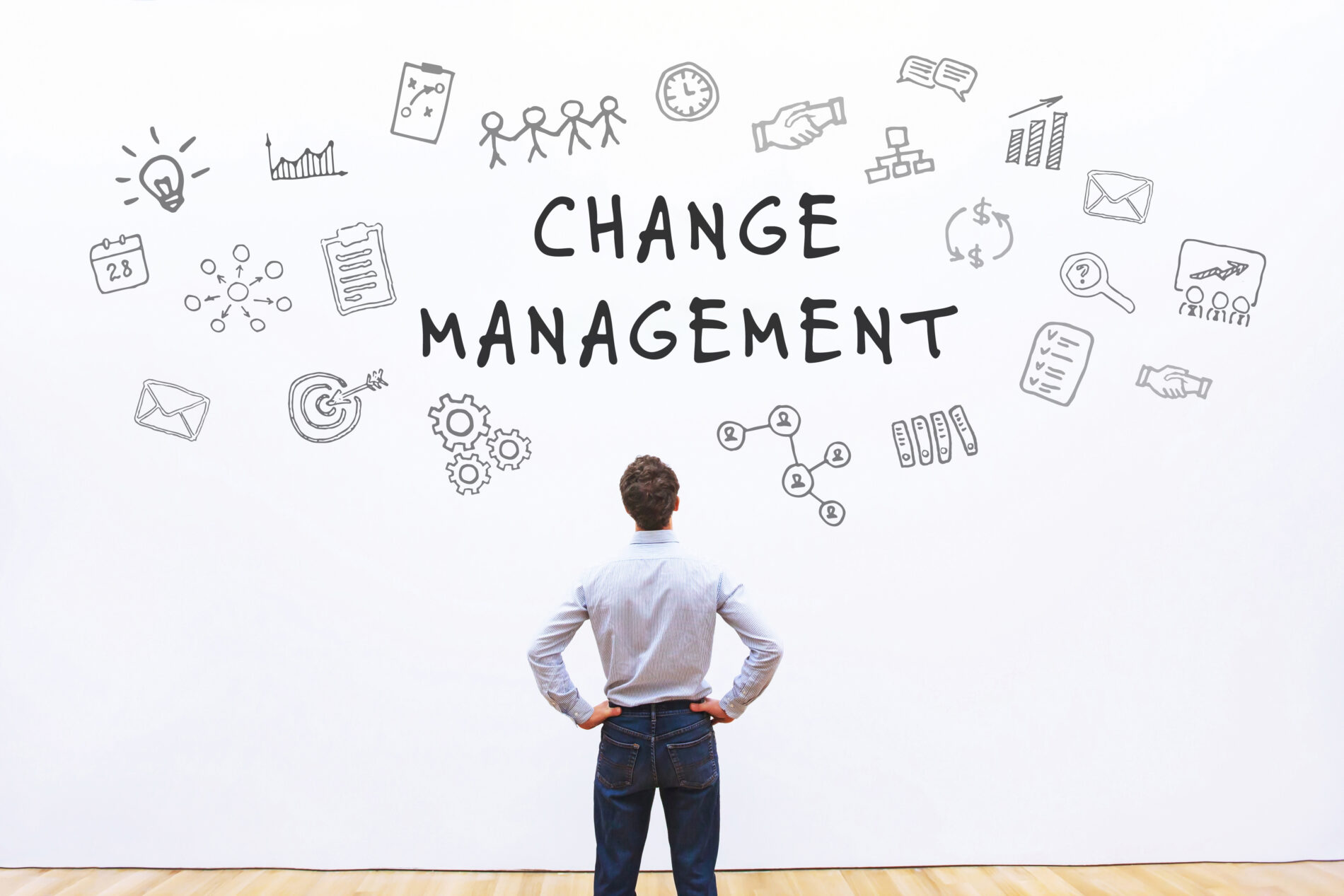
    Change is an inevitable part of every industry, and maintenance is no exception. Whether it’s the introduction of new technologies, processes, or leadership, how an organization handles change can significantly impact its operational efficiency and overall success. However, when it comes to maintenance, true change management goes beyond simply implementing new systems—it’s about transforming the culture, mindset, and approach of the entire organization to ensure lasting improvement. 

    Understanding Change Management in Maintenance 

    Change management in maintenance involves a structured approach to shifting the way maintenance teams and organizations operate. This includes altering processes, roles, tools, and technologies to enhance performance. It’s not just about adopting a new software tool or updating equipment—it’s about ensuring that everyone in the organization, from leadership to frontline workers, understands and supports the changes being made. 

    For example, when moving from a reactive maintenance strategy to a more proactive approach like predictive maintenance (PdM), the organization must make sure its teams are properly trained and equipped. This transition doesn’t happen overnight—it requires careful planning, communication, and support from all levels of the organization. A lack of strategic change management can lead to resistance, confusion, and a loss of momentum, ultimately compromising the effectiveness of the change. 

    Why True Change Management Is Essential 

    1. Aligning with Strategic Goals Maintenance departments don’t operate in a vacuum—they are an integral part of the overall business strategy. Implementing change without aligning it with the organization’s broader goals can result in wasted resources or conflicting priorities. True change management ensures that the changes made in maintenance support the company’s long-term objectives, whether that’s increasing uptime, improving asset longevity, or reducing costs. Without this alignment, maintenance changes can become disconnected from the company’s vision, undermining their effectiveness. 
    1. Managing Resistance to Change One of the most significant challenges in change management is managing resistance. People are naturally inclined to resist change, especially if it disrupts their routines or introduces uncertainty. In the context of maintenance, this resistance can be particularly pronounced as technicians and operators may be hesitant to adopt new tools or workflows. A robust change management strategy helps address these concerns, creating a clear path forward that allows teams to feel comfortable with the new processes. Providing training, clear communication, and involving key stakeholders early on in the change process can foster buy-in and reduce resistance. 
    1. Ensuring Long-Term Sustainability Maintenance improvements can often be short-lived if they are not sustained through proper change management. Implementing new processes or tools requires ongoing monitoring, training, and adaptation. Without an effective change management plan, organizations risk falling back into old habits or neglecting to update processes as needs evolve. By embedding change into the organization’s culture, true change management ensures that improvements are maintained and continuously built upon. 
    1. Building a Culture of Continuous Improvement True change management in maintenance also fosters a culture of continuous improvement. When employees are empowered to participate in the change process, they become more engaged in identifying potential improvements and innovating within their roles. This culture not only boosts morale but also drives performance by creating an environment where everyone is focused on ongoing optimization. 

    Conclusion 

    In the maintenance field, change is not just a one-off event—it’s an ongoing process that needs to be managed with care and precision. Without true change management, even the most well-planned initiatives can fail to achieve their intended results. By taking a structured approach that aligns with the organization’s strategic goals, addresses resistance, ensures sustainability, and builds a culture of continuous improvement, maintenance leaders can successfully navigate the complexities of change and drive lasting transformation in their operations. 

     

  • The Necessity of Communication as a Leader in Maintenance

    The Necessity of Communication as a Leader in Maintenance

    Effective communication is often cited as one of the most essential leadership skills in any field. In the maintenance sector, where operations are complex, fast-paced, and directly linked to the safety and efficiency of equipment, communication becomes even more critical. As a leader in maintenance, your ability to clearly convey information, foster collaboration, and keep all team members aligned can directly impact the success of your operations and the achievement of your organizational goals. This is why effective communication in maintenance leadership is not just a skill, it’s a necessity.

    Building Trust and Clarity

    One of the most vital aspects of leadership is building trust within your team. Transparent and open communication plays a significant role in this process. Maintenance teams are often under pressure to solve problems quickly and efficiently, and this can lead to high-stress environments. As a leader, communicating openly about challenges, goals, and expectations can help reduce anxiety and uncertainty, fostering a more cohesive and focused team.

    When maintenance teams understand the “why” behind decisions, they are more likely to feel invested in the outcome. For example, when rolling out a new maintenance strategy, such as predictive maintenance or a major overhaul of procedures, clear communication helps team members understand the purpose of the changes and how it aligns with broader organizational objectives. This not only helps reduce resistance but also empowers teams to make decisions that align with these goals. In the context of effective communication in maintenance leadership, this clarity is essential for driving alignment and engagement.

    Preventing and Solving Problems

    Maintenance is an environment where issues can arise at any time. Machines break down unexpectedly, safety incidents occur, or unplanned downtime affects production. In these moments, effective communication can be the difference between a quick resolution and a prolonged issue. Leaders who foster an environment where team members are comfortable sharing problems and ideas can spot potential issues early and address them proactively.

    Regular communication within the maintenance team—whether through daily meetings, reports, or digital collaboration tools—ensures that everyone is aware of potential risks, ongoing issues, and successes. It enables quick adjustments when problems arise and ensures that no detail is overlooked. Moreover, fostering an environment where employees feel they can voice concerns without fear of reprimand creates a culture of transparency that can prevent problems from escalating. This is a cornerstone of effective communication in maintenance leadership.

    Aligning Teams with Organizational Goals

    As a maintenance leader, you are not only responsible for managing day-to-day operations but also for ensuring that your team’s activities align with the broader strategic goals of the organization. Clear communication about the company’s objectives, the role of maintenance in achieving those objectives, and how each team member contributes to that vision is essential for maintaining focus and alignment.

    For instance, if one of the company’s goals is to reduce production downtime, you’ll need to communicate how your maintenance strategy directly impacts that goal. Whether it’s through improved preventive maintenance schedules, asset optimization, or better resource allocation, showing the connection between maintenance activities and company success helps keep your team motivated and focused. This alignment is a key outcome of effective communication in maintenance leadership.

    Additionally, clear communication with other departments — such as operations, engineering, or finance — is necessary to ensure that maintenance strategies are integrated into the overall business plan. As a leader, you must be able to convey the importance of maintenance within the broader context of production, quality control, and profitability.

    Inspiring and Motivating the Team

    A strong leader knows how to inspire and motivate their team, and this largely depends on effective communication. Recognition and feedback, whether positive or constructive, are crucial for maintaining morale and performance. Regularly acknowledging team successes, celebrating milestones, and offering constructive feedback can reinforce the behaviors that lead to improved results.

    Moreover, by actively listening to your team, you can identify opportunities for improvement, address concerns, and ensure that your leadership decisions reflect the realities of the day-to-day challenges they face. This not only fosters a sense of inclusion and respect but also enables you to make informed decisions that are more likely to be successful. This is the essence of effective communication in maintenance leadership — building trust, solving problems, and driving results.

    Conclusion

    Communication is at the heart of successful leadership in maintenance. It drives trust, helps solve problems, aligns teams with organizational goals, and motivates team members to perform at their best. As a leader, your ability to communicate effectively with your team, other departments, and senior leadership can make or break the success of maintenance initiatives. Whether you’re addressing a sudden breakdown, implementing a new strategy, or celebrating success, clear, consistent, and open communication ensures that your team stays focused, engaged, and aligned in achieving both short-term and long-term goals. This is why effective communication in maintenance leadership is not just a skill — it’s a necessity.