Category: Defect Elimination

  • Defect Elimination: The Cornerstone of Equipment Reliability

    Defect Elimination: The Cornerstone of Equipment Reliability

    In the pursuit of operational excellence and equipment reliability, defect elimination stands as a powerful and proactive strategy. It focuses on identifying and addressing the root causes of failures and inefficiencies, rather than repeatedly treating the symptoms. By targeting the sources of defects, organizations can significantly reduce downtime, extend asset lifespans, and improve overall productivity. 

    What is Defect Elimination? 

    Defect elimination is the systematic process of identifying, analyzing, and removing defects that lead to equipment failure or suboptimal performance. These defects can take many forms, including design flaws, operational errors, poor maintenance practices, or even environmental conditions. The goal is to ensure that equipment operates as intended, reliably and efficiently, with minimal intervention. 

    The Importance of Defect Elimination 

    • Reduces Reactive Maintenance
      Addressing the root cause of defects reduces the frequency and severity of unplanned downtime. This shift from reactive maintenance to proactive problem-solving allows maintenance teams to focus on activities that add value, such as preventive maintenance and continuous improvement initiatives. 
    • Improves Equipment Reliability
      Eliminating defects directly enhances the reliability of equipment by ensuring it operates under optimal conditions. Reliable equipment translates to consistent production, reduced costs, and higher customer satisfaction. 
    • Increases Safety
      Defective equipment often poses safety risks to operators and maintenance personnel. By addressing the underlying causes of these defects, organizations create a safer working environment and reduce the likelihood of accidents. 
    • Optimizes Costs
      Defects can lead to frequent repairs, high spare parts consumption, and lost production time. Eliminating these defects helps to control maintenance costs and improve the bottom line. 

    Steps in Defect Elimination 

    • Identify Defects
      The first step is to recognize the defects affecting equipment performance. This can be done through maintenance records, operator feedback, and techniques like failure mode and effects analysis (FMEA) or root cause analysis (RCA). 
    • Analyze Root Causes
      Once defects are identified, it’s essential to determine their root causes. For instance, is a pump failure caused by improper alignment, insufficient lubrication, or a design flaw? Tools like the “5 Whys” or fishbone diagrams can be useful in this stage. 
    • Develop Solutions
      After identifying the root cause, teams must develop practical and sustainable solutions. This could involve redesigning a component, adjusting operational procedures, or implementing better maintenance practices. 
    • Implement and Monitor
      Solutions must be implemented effectively and their impact monitored. Continuous feedback ensures that the changes made are yielding the desired results and helps identify any residual issues. 
    • Standardize and Share Knowledge
      Successful defect elimination efforts should be documented and shared across the organization to prevent recurrence and foster a culture of learning. 

    Practical Example: Defect Elimination in Action 

    Consider a manufacturing plant that frequently experiences motor bearing failures. An investigation reveals that improper lubrication practices are the root cause. By implementing a lubrication management program, including better training for operators and the use of precision tools, the plant eliminates this recurring defect. The result? Reduced downtime, lower maintenance costs, and improved reliability. 

    Creating a Culture of Defect Elimination 

    For defect elimination to be successful, it must be ingrained in the organization’s culture. Leaders must champion this approach, encouraging teams to identify and address defects proactively. Collaboration between operators, engineers, and maintenance personnel is essential to uncover hidden issues and implement effective solutions. 

    Conclusion 

    Defect elimination is more than a maintenance strategy—it’s a mindset that prioritizes reliability and continuous improvement. By addressing the root causes of failures, organizations can achieve significant gains in equipment performance, operational efficiency, and cost control. Embracing defect elimination as a core principle positions businesses for long-term success in today’s competitive manufacturing environment. 
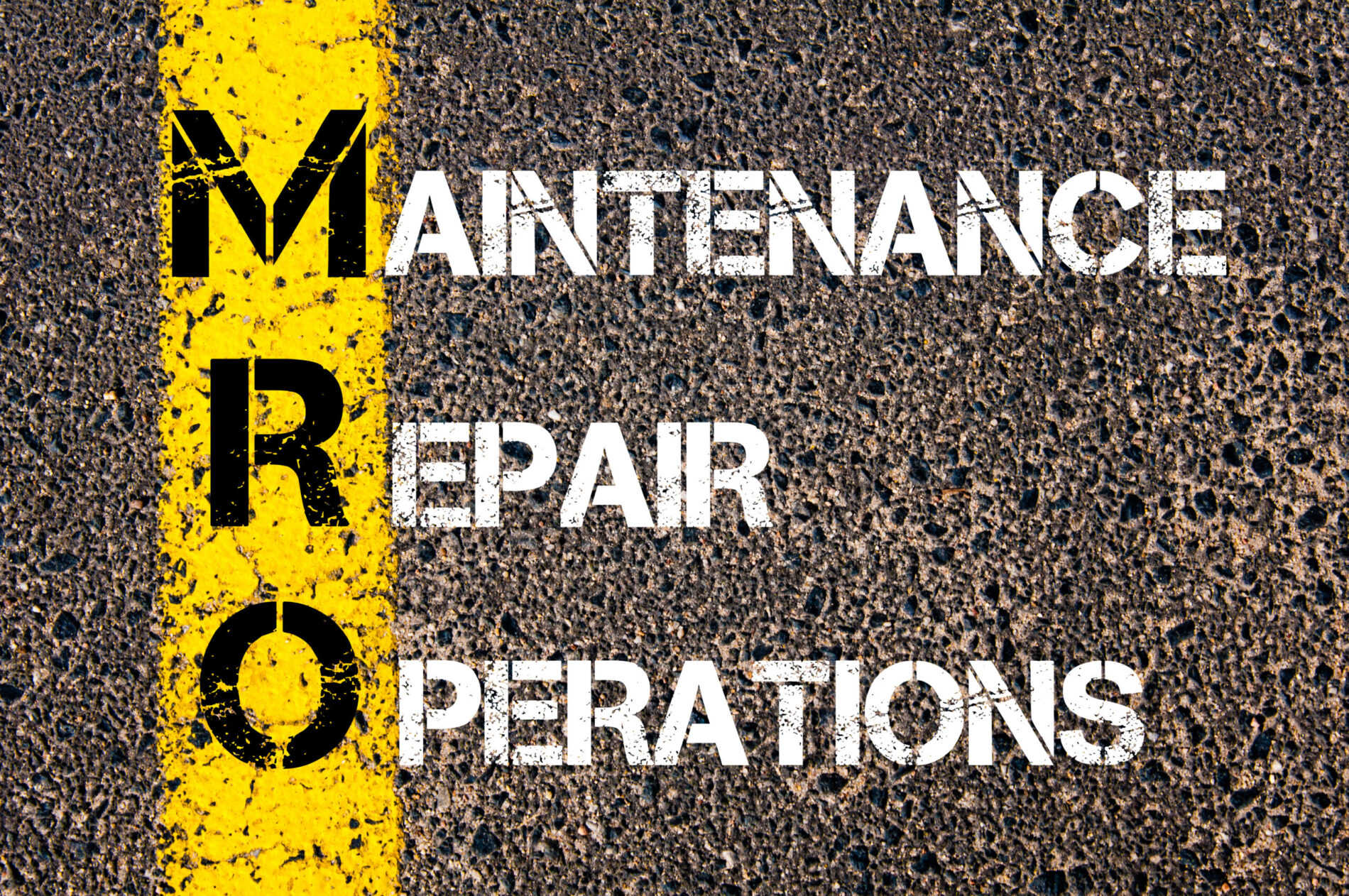
     

  • Elevating Excellence: Unveiling the Art of Maintenance, Repairs, and Operations Process Development

    Elevating Excellence: Unveiling the Art of Maintenance, Repairs, and Operations Process Development

    In the intricate web of industrial operations, maintenance, repairs, and operations (MRO) process development stands as the unsung hero, optimizing workflows, minimizing downtime, and ensuring the seamless continuity of production. It’s a craft that requires precision, strategic planning, and a knack for efficiency. Let’s embark on a journey to uncover the art of MRO process development and why it’s the lynchpin of high-quality operations.

    The Artistry of MRO Process Development

    MRO process development is the science of creating a structured, efficient system to manage the maintenance, repairs, and operations of assets. It goes far beyond reactive fixes; it’s about proactive measures that enhance the reliability and longevity of equipment.

    Key Elements of MRO Process Development

    1. Asset Management: MRO process development begins with a comprehensive inventory of all assets. It involves meticulous cataloging, maintenance history tracking, and categorization based on criticality.
    2. Maintenance Strategy: Development of a well-defined maintenance strategy is crucial. This includes preventive and predictive maintenance schedules, maintenance plans, and a prioritization system.
    3. Spare Parts Inventory: Efficient MRO process development includes managing spare parts inventories, ensuring the right parts are available at the right time to minimize equipment downtime.
    4. Data-Driven Decisions: Advanced data analytics and condition monitoring play a pivotal role. Real-time data informs decision-making, allowing for predictive maintenance and reducing unexpected failures.
    5. Safety and Compliance: Safety is paramount. MRO process development incorporates safety protocols and ensures that equipment complies with industry standards and regulations.
    6. Supplier Relationships: It involves building and nurturing relationships with suppliers to ensure a reliable supply chain for spare parts and materials.
    7. Workflow Optimization: MRO process development streamlines workflows, reduces unnecessary steps, and eliminates bottlenecks to improve operational efficiency.

    The Impact on Operations

    Exemplary MRO process development has a profound impact on operations:

    1. Reduced Downtime: By ensuring equipment is well-maintained, MRO process development minimizes unplanned downtime, leading to increased productivity and operational continuity.
    2. Cost Efficiency: Well-developed MRO processes optimize resource allocation, reduce maintenance and repair costs, and extend asset life, contributing to significant cost savings.
    3. Enhanced Safety: Safety protocols integrated into MRO processes create a safer work environment, reducing accidents and protecting both personnel and assets.
    4. Energy Savings: Optimized equipment performs more efficiently, leading to energy savings and reduced environmental impact.
    5. Quality Assurance: High-quality equipment translates to consistent product quality, improving customer satisfaction.

    Integration of Technology

    MRO process development isn’t confined to the realm of manual labor; technology plays a pivotal role:

    1. Computerized Maintenance Management Systems (CMMS): These systems streamline work order management, asset tracking, and preventive maintenance scheduling, making processes more efficient.
    2. Condition Monitoring Systems: Real-time monitoring systems detect changes in equipment condition, enabling predictive maintenance. This allows for earlier parts ordering.
    1. IoT and Industry 4.0: Integration of IoT and Industry 4.0 concepts provides real-time data and insights for predictive maintenance. This also allows for earlier parts ordering.
    1. Data Analytics: Advanced analytics help in deriving actionable insights from data, making processes more informed and efficient.

    Continuous Improvement and Innovation

    MRO process development is not static; it’s a journey of continuous improvement. Teams work together to refine processes, adapt to technological advancements, and embrace innovative solutions. It’s a culture of learning and evolution.

    In conclusion, MRO process development is a strategic craft that ensures the harmony of industrial operations. It’s the heart of efficiency, cost savings, and operational excellence. It’s where precision meets productivity, where proactive measures outweigh reactive fixes, and where assets perform at their best. The artistry of MRO process development is an ode to the future, where operations remain seamless, costs remain contained, and quality remains uncompromised.