ReliabilityX Delivers $8M Margin Gain on Bosch Line for The Little Potato Company
The Challenge
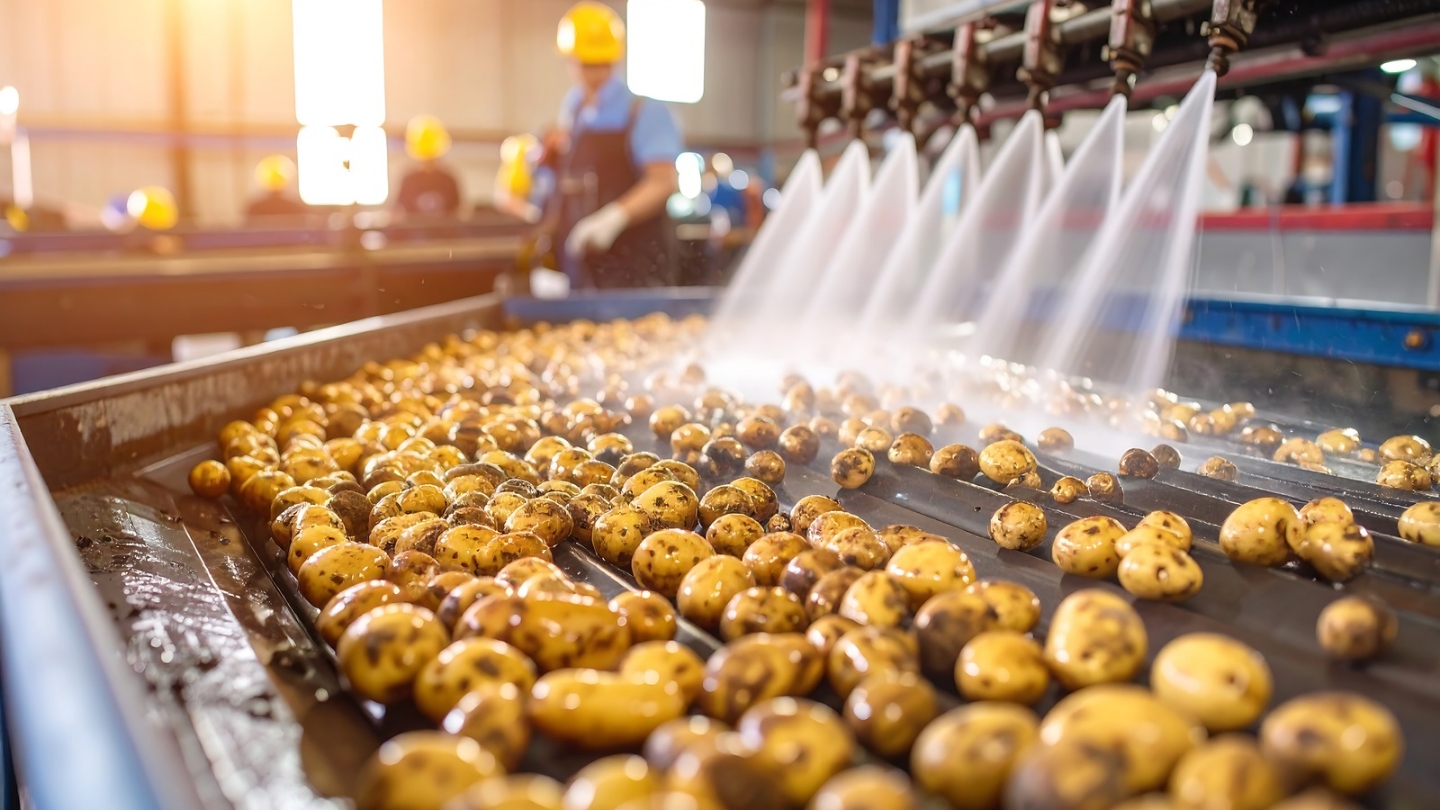
The Little Potato Company’s Edmonton facility was operating a Bosch Line that consistently fell short of its designed production capacity, and the gap between expected and actual output continued to widen. Equipment performance had deteriorated to the point where machines were no longer capable of running at the speeds required to meet customer demand. Operators and mechanics were spending most of their time reacting to issues rather than preventing them, which created a cycle of firefighting that consumed resources and increased stress across the operation. Costs were rising at a pace that outstripped throughput, and the plant was experiencing excessive waste, quality losses, and frequent interruptions that prevented stable production.
Leadership understood that the situation could not continue without significant financial consequences. They recognized that the problems were not isolated to a single machine or department. Instead, the issues were systemic and rooted in the way the plant managed reliability, maintenance, daily control, and operational discipline. They needed a partner who could address both the technical deficiencies and the cultural behaviors that were allowing losses to persist. They required a structured, data driven approach that would reveal the true sources of lost capacity and provide a clear path to restoring performance.
The Solution
ReliabilityX deployed a comprehensive, hands on strategy that combined technical rigor with workforce development and leadership alignment. The engagement began with a full assessment of the equipment, processes, and operational routines that governed the Bosch Line. This assessment was grounded in the MRBP framework and provided a detailed evaluation of how the plant managed reliability, maintenance execution, planning and scheduling, defect elimination, and daily production control. The assessment revealed the specific losses that were suppressing OEE and identified the operational behaviors that were allowing those losses to continue.
The team initiated a series of structured cleaning and defect identification events that restored the equipment to a condition where it could perform as designed. These activities uncovered hidden failures, mechanical deterioration, and process deviations that had accumulated over time. By addressing these issues directly at the source, the team created immediate improvements in equipment stability and reduced the frequency of unplanned interruptions.
ReliabilityX also delivered targeted training that equipped operators, mechanics, and supervisors with the skills required to identify, diagnose, and resolve operational issues in real time. This training shifted the workforce from a reactive posture to a proactive one, which allowed the plant to prevent problems before they escalated into downtime or quality losses. The team implemented center lining and operational standards that established clear expectations for how the line should be set up, monitored, and controlled throughout each shift. These standards created consistency across crews and reduced the variability that had previously contributed to performance instability.
Leadership routines were strengthened to reinforce accountability and ensure that issues were escalated, addressed, and resolved in a timely manner. The combination of technical improvements, workforce capability building, and leadership alignment created a foundation for sustainable reliability and long term operational discipline.
The Results
The transformation of the Bosch Line was both significant and measurable. Throughput increased by 65% across more than 5,000,000 units, which allowed the plant to meet customer demand without additional capital investment. Cost of goods sold dropped from$4.97 to$3.47 per unit, which generated an$8,000,000 margin improvement. Quality rejects decreased by 64%, which reduced waste and improved customer satisfaction. Over weight product was reduced by 60%, which eliminated unnecessary giveaway and protected profitability.
The Bosch Line now operates with greater precision, lower cost, and a workforce that is capable of sustaining performance improvements. The plant has a clear understanding of the losses that affect OEE and a structured approach for eliminating those losses. The improvements have created a more stable, predictable, and financially efficient operation that performs closer to its designed capacity.
Conclusion
ReliabilityX helped The Little Potato Company transform a struggling production line into a high performing asset by restoring equipment performance, strengthening workforce capability, and standardizing operational behaviors. The results demonstrate the power of a structured, data driven approach that connects technical improvements with cultural alignment. The eight million dollar margin gain was achieved without new capital and was driven entirely by reclaimed capacity, improved reliability, and stronger operational discipline.
If your plant is experiencing similar challenges, ReliabilityX can help you uncover the losses that are suppressing your OEE, quantify the financial impact of those losses, and implement a roadmap that delivers measurable and sustainable results. You can contact us at ask@reliabilityx.com or click here to begin the conversation.