Author: Anjelica

  • Maintenance Is a System, and Systems Fail When One Piece Is Missing

    Maintenance Is a System, and Systems Fail When One Piece Is Missing

    Many maintenance teams work incredibly hard yet still feel like they are losing ground. They complete PMs, respond to breakdowns, and support production, but failures continue. Backlogs grow. Costs rise. Morale drops.

    This happens because maintenance is not a list of tasks. It is a system. And when one part of the system is weak, the entire system suffers.

    Consider a plant where technicians perform lubrication routes faithfully. They hit every point. They follow the intervals. They use the correct lubricant. Yet bearings still fail. Why? Because no one identified the failure modes. The lubrication tasks were not addressing contamination, misalignment, or over‑greasing. The work was being done, but it was not solving the problem.

    Or a facility where operators are not involved in basic care. They walk past leaks, vibration, and abnormal sounds because they assume maintenance will catch it. By the time maintenance sees the issue, the failure is already in motion. The system is missing early detection.

    Or a site that measures PM completion but not PM effectiveness. The numbers look good, but the equipment still fails. The metric is being met, but the purpose is not. The system is missing feedback.

    Chapter 3 pushes organizations to understand maintenance as a connected system that includes:
    • failure mode identification
    • task alignment
    • operator involvement
    • planning and scheduling
    • precision execution
    • measurement and feedback
    • continuous improvement

    When one of these elements is missing, the system becomes reactive.
    When all of them are aligned, the system becomes reliable.

    This is why some plants with fewer technicians outperform plants with larger teams. They are not working harder. They are working within a system that supports reliability.

  • The Execution Gap: Why People Don’t Follow Through on Work

    The Execution Gap: Why People Don’t Follow Through on Work

    In the world of work, execution is key. It’s not just about having great ideas or making ambitious plans; it’s about turning those ideas into action and seeing plans through to completion. However, despite our best intentions, many of us struggle to execute work effectively. So, why is this? What causes the execution gap? Let’s explore some common reasons why people fail to execute work and how we can overcome these challenges. 

    Lack of Clarity and Direction 

    One of the main reasons why people fail to execute work is a lack of clarity and direction. When tasks or goals are vague or poorly defined, it’s easy to get lost or feel overwhelmed, leading to procrastination or abandonment of the work altogether. To overcome this, it’s important to clearly define goals, break them down into manageable tasks, and create a roadmap for execution. 

    Fear of Failure 

    Fear of failure can be a significant barrier to execution. When people are afraid of making mistakes or falling short of expectations, they may hesitate to take action or avoid challenging tasks altogether. To overcome this, it’s important to cultivate a growth mindset, where failure is seen as a learning opportunity rather than a setback. Encouraging experimentation and providing support and feedback can help alleviate fear of failure. 

    Lack of Motivation 

    Motivation plays a crucial role in execution. When people lack motivation or enthusiasm for a task, they are less likely to put in the effort required to see it through. To overcome this, it’s important to align tasks with personal or organizational goals, provide incentives or rewards for completion, and create a supportive and motivating work environment. 

    Poor Time Management 

    Effective execution requires good time management skills. When people struggle to prioritize tasks, manage their time effectively, or avoid distractions, they may find it difficult to execute work efficiently. To overcome this, it’s important to set clear priorities, establish a routine, and eliminate or minimize distractions. 

    Lack of Resources or Support 

    Sometimes, people fail to execute work because they lack the necessary resources or support. Whether it’s access to information, tools, or expertise, inadequate resources can hinder execution. To overcome this, it’s important to identify and address resource gaps, provide training or support where needed, and ensure that people have the tools and resources they need to succeed. 

    Overcoming the Execution Gap 

    To overcome the execution gap and improve work execution, it’s important to address these common challenges. By providing clarity and direction, fostering a growth mindset, enhancing motivation, improving time management skills, and ensuring access to resources and support, organizations can create an environment where people are empowered to execute work effectively. Through a combination of these strategies, individuals and organizations can bridge the execution gap and achieve greater success in their work. 

  • Mastering Time Management: Essential Skills for Maintenance Managers

    Mastering Time Management: Essential Skills for Maintenance Managers

    Effective time management is crucial for maintenance managers, who are responsible for overseeing maintenance operations, coordinating schedules, and ensuring that equipment and facilities are well-maintained. In this blog, we’ll explore some essential time management skills that can help maintenance managers optimize their productivity and achieve their goals. 

    1. Prioritization

    One of the key skills for maintenance managers is the ability to prioritize tasks effectively. This involves identifying the most important tasks and allocating time and resources accordingly. By focusing on high-priority tasks first, maintenance managers can ensure that critical maintenance activities are completed on time. 

    1. Planning and Scheduling

    Effective planning and scheduling are essential for managing maintenance activities efficiently. Maintenance managers should be able to develop comprehensive maintenance plans, create schedules, and allocate resources effectively. This includes planning for preventive maintenance, scheduled repairs, and emergency maintenance activities. 

    1. Delegation

    Delegation is another important skill for maintenance managers. By delegating tasks to team members based on their skills and expertise, managers can free up time to focus on higher-level activities. Delegation also helps to build trust and empower team members, leading to a more productive and engaged workforce. 

    1. Time Tracking and Monitoring

    Maintenance managers should be able to track and monitor their time effectively to ensure that they are using it wisely. This involves keeping track of tasks, deadlines, and progress, and making adjustments as needed to stay on track. 

    1. Setting Goals and Deadlines

    Setting clear goals and deadlines is essential for effective time management. Maintenance managers should establish realistic goals for maintenance activities and set deadlines to ensure that they are completed on time. This helps to create a sense of urgency and focus, leading to improved productivity. 

    1. Flexibility and Adaptability

    In the world of maintenance, unexpected issues and emergencies can arise at any time. Maintenance managers should be able to adapt to changing circumstances, re-prioritize tasks, and adjust schedules as needed to ensure that maintenance operations continue to run smoothly. 

    1. Time Management Tools

    There are many tools available to help maintenance managers manage their time more effectively. These include scheduling software, task management tools, and time tracking apps. By leveraging these tools, managers can streamline their workflow and improve their overall efficiency. 

    Conclusion 

    Time management is a critical skill for maintenance managers, who must juggle multiple responsibilities and tasks to ensure that maintenance operations are carried out effectively. By mastering these essential time management skills, maintenance managers can optimize their productivity, improve efficiency, and achieve their goals. 


  • Creating a Departmental Plan: Your Roadmap to Success

    Creating a Departmental Plan: Your Roadmap to Success

    In any organization, departmental success is key to overall success. To achieve this, it’s essential to have a clear roadmap that outlines your department’s goals, priorities, and strategies. A departmental plan serves as this roadmap, guiding your team towards success and ensuring alignment with the organization’s objectives. In this blog, we’ll explore the importance of creating a departmental plan and provide a step-by-step guide to help you create one for your team. 

    Why You Need a Departmental Plan 

    A departmental plan is essential for several reasons: 

    • Clarity of Purpose: It provides clarity on your department’s purpose, goals, and priorities, ensuring that everyone is aligned and working towards the same objectives. 
    • Alignment with Organizational Goals: It ensures that your department’s goals and strategies are aligned with the broader goals of the organization, contributing to overall success. 
    • Resource Allocation: It helps you allocate resources, such as budget, personnel, and time, effectively to achieve your goals. 
    • Performance Monitoring: It provides a framework for monitoring and evaluating your department’s performance, allowing you to make adjustments as needed. 

    How to Create a Departmental Plan 

    Creating a departmental plan involves several key steps: 

    • Define Your Goals: Start by clearly defining your department’s goals. These should be specific, measurable, achievable, relevant, and time-bound (SMART). 
    • Assess Your Current Situation: Conduct a thorough assessment of your department’s strengths, weaknesses, opportunities, and threats (SWOT analysis). This will help you identify areas for improvement and potential challenges. 
    • Develop Strategies: Based on your goals and SWOT analysis, develop strategies to achieve your goals. These should outline the actions you will take to address your department’s weaknesses, leverage its strengths, and capitalize on opportunities. 
    • Allocate Resources: Determine what resources you will need to execute your strategies, including budget, personnel, and technology. 
    • Create an Action Plan: Break down your strategies into actionable steps, assigning responsibilities and setting timelines for each task. 
    • Monitor and Evaluate Progress: Regularly monitor and evaluate your department’s progress towards its goals. This will help you identify any issues early on and make necessary adjustments. 
    • Review and Update Your Plan: Your departmental plan should be a living document that is regularly reviewed and updated to reflect changes in your department or the broader organization. 

    Tips for Success 

    • Communicate Your Plan: Ensure that your team is aware of and understands the departmental plan. This will help create buy-in and alignment towards common goals. 
    • Stay Flexible: While it’s important to have a plan, it’s also important to remain flexible and adapt to changes as needed. 
    • Celebrate Successes: Acknowledge and celebrate achievements along the way to keep morale high and motivation strong. 
    • Seek Feedback: Regularly seek feedback from your team and stakeholders to ensure that your plan remains relevant and effective. 

    Conclusion 

    A departmental plan is a powerful tool that can guide your team towards success. By defining clear goals, developing strategies, allocating resources, and regularly monitoring progress, you can create a roadmap that leads to departmental excellence. Use the steps outlined in this blog to create a departmental plan that sets your team up for success. 

  • A Guide to Developing a Supervisory Skill Set in Maintenance

    A Guide to Developing a Supervisory Skill Set in Maintenance

    Supervisors in maintenance play a crucial role in ensuring the efficient operation of equipment and facilities. To be effective in this role, they need a combination of technical knowledge and management skills. Some key management skills necessary for a supervisor in maintenance include: 

    Technical Proficiency: A strong understanding of maintenance principles, practices, and techniques is essential for effectively supervising maintenance operations. This includes knowledge of equipment, systems, and processes relevant to the organization. 

    Problem-Solving Skills: Maintenance supervisors must be able to identify and solve complex problems related to equipment breakdowns, maintenance processes, and safety issues. This requires critical thinking and analytical skills. 

    Leadership Abilities: Effective leadership is crucial for motivating and guiding maintenance teams. Supervisors should be able to inspire team members, delegate tasks effectively, and provide guidance and support when needed. 

    Communication Skills: Clear and effective communication is essential for a maintenance supervisor. They must be able to communicate with team members, other departments, and management to ensure that maintenance objectives are understood and met. 

    Organizational Skills: Maintenance supervisors are responsible for planning and organizing maintenance activities, scheduling work orders, and ensuring that resources are allocated efficiently. Strong organizational skills are essential for managing these tasks effectively. 

    Decision-Making Skills: Maintenance supervisors often need to make quick and informed decisions, such as prioritizing maintenance tasks, allocating resources, and responding to emergencies. Good decision-making skills are essential for this role. 

    Time Management: Maintenance supervisors must be able to prioritize tasks and manage their time effectively to ensure that maintenance activities are completed on schedule and within budget. 

    Team Building and Conflict Resolution: Supervisors must be able to build and maintain a strong team, resolve conflicts, and foster a positive work environment. This includes promoting collaboration, providing feedback, and addressing performance issues. 

    Safety Awareness: Safety is paramount in maintenance operations. Supervisors must be well-versed in safety regulations and practices, and ensure that all maintenance activities are conducted safely. 

    Adaptability: Maintenance supervisors must be able to adapt to changing circumstances, such as equipment failures, staffing issues, or changes in priorities. Being flexible and adaptable is essential for effectively managing maintenance operations. 

    By developing these management skills, supervisors in maintenance can effectively lead their teams, optimize maintenance processes, and ensure the reliable operation of equipment and facilities. 

  • Mastering Maintenance Leadership: The Blueprint for Strategic Business Planning

    Mastering Maintenance Leadership: The Blueprint for Strategic Business Planning

    In the realm of maintenance leadership, strategic business planning isn’t an option; it’s a prerequisite for success. The dynamic interplay of technology, industry standards, and organizational needs demands a clear roadmap for navigating the complex landscape of maintenance and reliability. Here, we delve into the significance of maintenance leadership in business planning and how it paves the way for optimal asset management and operational excellence.

    The Fusion of Leadership and Strategy

    Maintenance leadership transcends the role of maintaining equipment and preventing breakdowns. It requires a strategic vision that aligns with the organization’s overarching goals. Successful maintenance leaders operate as change agents, driving innovation and fostering a culture of continuous improvement.

    Components of Maintenance Leadership Business Planning

    1. Asset Management Strategy: At the core of business planning, maintenance leaders design asset management strategies that encompass the entire lifecycle of equipment. This includes acquisition, operation, maintenance, and disposal. Strategic asset management reduces costs, extends equipment life, and maximizes ROI.
    2. Maintenance Strategies: Leaders establish maintenance strategies that balance preventive, predictive, and corrective maintenance. They determine the most efficient way to keep assets operational and perform cost-benefit analyses to make informed decisions.
    3. Reliability Engineering: Reliability engineering focuses on designing and implementing systems and processes that maximize asset reliability. Maintenance leaders integrate reliability engineering principles into their business plans to optimize asset performance.
    4. Safety Protocols: Ensuring the safety of personnel is paramount. Maintenance leaders develop and incorporate safety protocols into business plans to protect employees and assets, reducing incidents and related costs.
    5. Data-Driven Decisions: Maintenance leaders leverage data analytics to make informed decisions. They collect data from various sources, including sensors and condition monitoring systems, to predict failures and optimize maintenance schedules.

    The Impact of Maintenance Leadership on Business

    Effective maintenance leadership has a far-reaching impact on business operations:

    1. Improved Asset Reliability: Strategic business planning ensures that assets are reliable and consistently meet performance standards. This minimizes downtime and maximizes productivity.
    2. Cost Reduction: By preventing breakdowns and optimizing maintenance schedules, maintenance leaders reduce operational and maintenance costs. Efficient resource allocation and inventory management contribute to cost savings.
    3. Enhanced Product Quality: Reliable equipment translates to consistent product quality. Quality assurance is integral to business planning and maintenance leadership.
    4. Energy Efficiency: Maintenance leaders focus on optimizing asset performance, which often leads to energy savings and reduced environmental impact.
    5. Compliance and Safety: Strategic business planning includes compliance with safety standards and regulations. Maintenance leaders promote a safe work environment and minimize risks.

    Incorporating Technology

    Maintenance leadership business planning relies heavily on technology, including:

    1. Condition Monitoring Systems: These systems continuously assess the health of equipment, enabling predictive maintenance and early fault detection.
    2. Computerized Maintenance Management Systems (CMMS): CMMS streamlines maintenance workflows, asset tracking, and reporting, facilitating efficient planning.
    3. IoT and Industry 4.0: The integration of IoT and Industry 4.0 concepts provides real-time data and insights for predictive maintenance.
    4. Data Analytics: Advanced analytics help maintenance leaders derive actionable insights from vast amounts of data.

    The Way Forward: Continuous Improvement

    Maintenance leadership business planning is not static; it evolves to adapt to changing needs and technologies. It encompasses a culture of continuous improvement, where leaders and teams collaborate to refine processes and enhance performance continually.

    In conclusion, maintenance leadership and strategic business planning are inseparable partners in the pursuit of operational excellence. Effective planning and leadership drive reliability, safety, and cost-efficiency, positioning an organization for long-term success. With a strategic mindset, a commitment to innovation, and the embrace of technology, maintenance leaders chart the course to a future where assets remain robust, operations remain efficient, and quality remains uncompromised.


  • Mastering Lubrication Excellence: Building a World-Class Lubrication Program

    Mastering Lubrication Excellence: Building a World-Class Lubrication Program

    In the industrial landscape, the humble lubricant might seem inconspicuous, but it plays a pivotal role in ensuring the smooth operation of machinery, reducing friction, and extending the life of critical assets. Achieving lubrication excellence isn’t just a matter of choosing the right oil; it’s about developing a comprehensive program that encompasses the best practices, advanced technologies, and a culture of precision. In this blog, we will explore the methods to build a world-class lubrication program that’s the cornerstone of operational success.

    Understanding the Importance of Lubrication Excellence

    A world-class lubrication program is more than just routine maintenance; it’s a strategic asset management practice that goes beyond oil changes. It focuses on achieving peak operational performance, reducing equipment wear, and minimizing unplanned downtime.

    1. Leadership Commitment

    Creating a world-class lubrication program begins with leadership commitment. Top management must understand the importance of lubrication excellence and provide the necessary resources and support.

    1. Skills and Training

    Lubrication excellence requires a skilled workforce. Invest in training programs to educate personnel on lubrication best practices, equipment specifics, and the handling of lubricants.

    1. Lubricant Selection

    Selecting the right lubricants is crucial. Each machine and application may require specific types of lubricants. Consult with lubricant experts to make informed choices.

    1. Lubricant Storage and Handling

    Proper storage and handling of lubricants are essential to prevent contamination and degradation. Implement strict protocols to ensure lubricants remain in optimal condition.

    1. Contamination Control

    Develop contamination control strategies to minimize foreign particles, water, and debris in lubricants. Proper filtration and seal management are critical components.

    1. Lubrication Schedules

    Set up regular lubrication schedules based on manufacturer recommendations and real-time condition monitoring. Ensure that equipment is lubricated at the right time and with the right amount of lubricant.

    1. Lubrication Technologies

    Incorporate advanced lubrication technologies such as automatic lubrication systems, remote monitoring, and condition-based lubrication to optimize lubrication processes.

    1. Lubrication Inspections

    Conduct routine inspections to check for signs of over-lubrication, under-lubrication, contamination, or wear. Address issues promptly to avoid costly breakdowns.

    1. Record Keeping

    Maintain meticulous records of lubrication activities, including lubricant type, quantity, and equipment lubricated. This data is invaluable for tracking performance and making improvements.

    1. Root Cause Analysis

    When lubrication issues arise, conduct root cause analysis to determine the underlying problem and implement corrective actions.

    1. Continuous Improvement

    A world-class lubrication program is a journey of continuous improvement. Encourage employees to provide feedback and engage in process refinement.

    1. Lubrication Culture

    Create a culture where everyone values the role of lubrication in equipment reliability. Engage employees in lubrication best practices and provide incentives for excellence.

    1. Data-Driven Decisions

    Leverage data analytics and condition monitoring systems to make informed lubrication decisions. Real-time data provides insights for predictive maintenance.

    1. Environmental Responsibility

    Consider the environmental impact of lubricants. Choose environmentally friendly lubricants and recycling programs for used lubricants.

    In conclusion, a world-class lubrication program is the backbone of operational efficiency and asset longevity. It’s a comprehensive strategy that encompasses best practices, advanced technologies, and a culture of precision. Organizations that prioritize lubrication excellence are better equipped to achieve operational success, reduce downtime, and extend the life of critical assets. Lubrication isn’t just an oil change; it’s a strategic asset management practice that ensures the smooth operation of machinery, reduces friction, and minimizes equipment wear. By following these methods, organizations can develop a world-class lubrication program that forms the foundation of operational excellence.


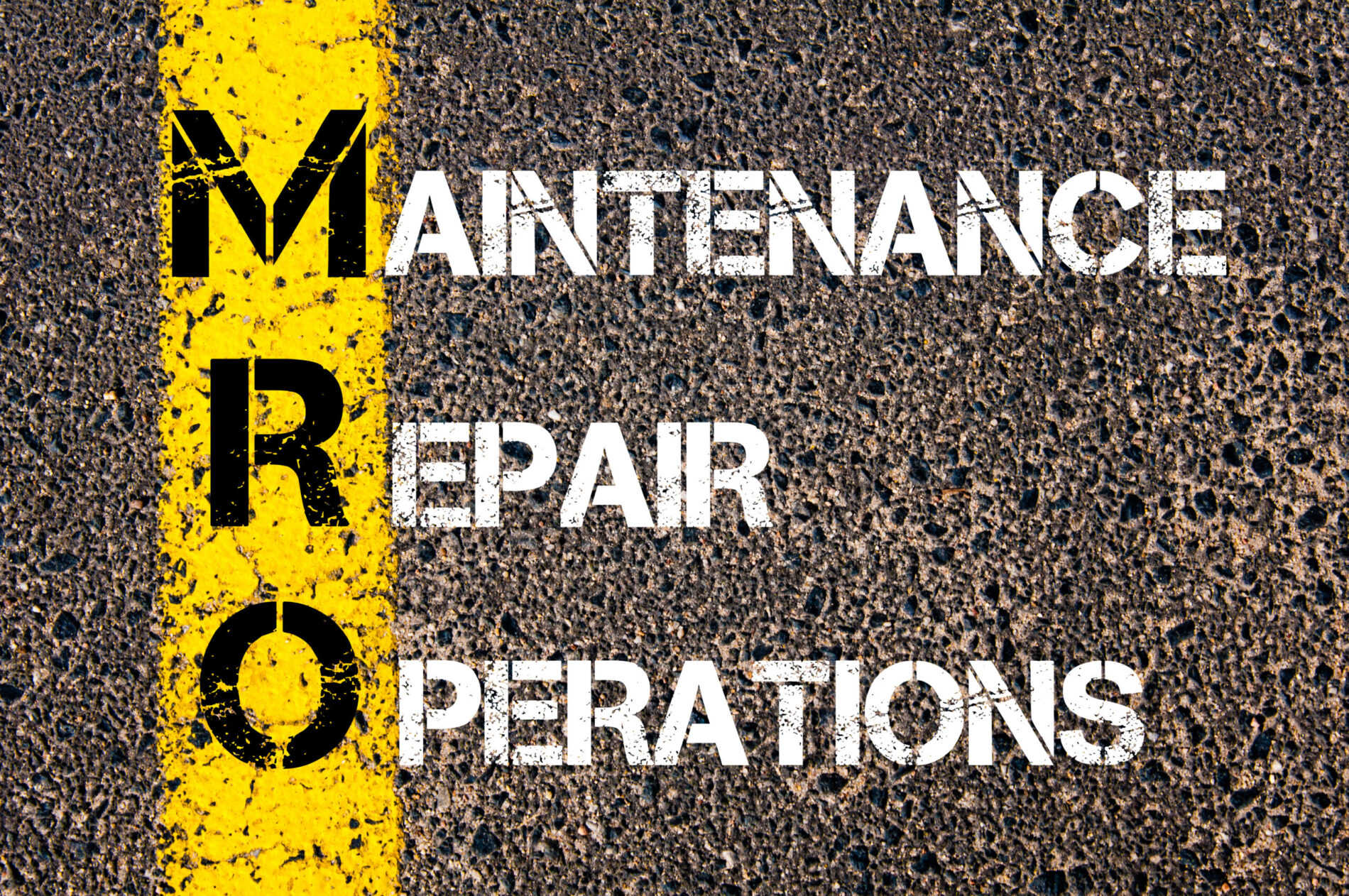
  • Elevating Excellence: Unveiling the Art of Maintenance, Repairs, and Operations Process Development

    Elevating Excellence: Unveiling the Art of Maintenance, Repairs, and Operations Process Development

    In the intricate web of industrial operations, maintenance, repairs, and operations (MRO) process development stands as the unsung hero, optimizing workflows, minimizing downtime, and ensuring the seamless continuity of production. It’s a craft that requires precision, strategic planning, and a knack for efficiency. Let’s embark on a journey to uncover the art of MRO process development and why it’s the lynchpin of high-quality operations.

    The Artistry of MRO Process Development

    MRO process development is the science of creating a structured, efficient system to manage the maintenance, repairs, and operations of assets. It goes far beyond reactive fixes; it’s about proactive measures that enhance the reliability and longevity of equipment.

    Key Elements of MRO Process Development

    1. Asset Management: MRO process development begins with a comprehensive inventory of all assets. It involves meticulous cataloging, maintenance history tracking, and categorization based on criticality.
    2. Maintenance Strategy: Development of a well-defined maintenance strategy is crucial. This includes preventive and predictive maintenance schedules, maintenance plans, and a prioritization system.
    3. Spare Parts Inventory: Efficient MRO process development includes managing spare parts inventories, ensuring the right parts are available at the right time to minimize equipment downtime.
    4. Data-Driven Decisions: Advanced data analytics and condition monitoring play a pivotal role. Real-time data informs decision-making, allowing for predictive maintenance and reducing unexpected failures.
    5. Safety and Compliance: Safety is paramount. MRO process development incorporates safety protocols and ensures that equipment complies with industry standards and regulations.
    6. Supplier Relationships: It involves building and nurturing relationships with suppliers to ensure a reliable supply chain for spare parts and materials.
    7. Workflow Optimization: MRO process development streamlines workflows, reduces unnecessary steps, and eliminates bottlenecks to improve operational efficiency.

    The Impact on Operations

    Exemplary MRO process development has a profound impact on operations:

    1. Reduced Downtime: By ensuring equipment is well-maintained, MRO process development minimizes unplanned downtime, leading to increased productivity and operational continuity.
    2. Cost Efficiency: Well-developed MRO processes optimize resource allocation, reduce maintenance and repair costs, and extend asset life, contributing to significant cost savings.
    3. Enhanced Safety: Safety protocols integrated into MRO processes create a safer work environment, reducing accidents and protecting both personnel and assets.
    4. Energy Savings: Optimized equipment performs more efficiently, leading to energy savings and reduced environmental impact.
    5. Quality Assurance: High-quality equipment translates to consistent product quality, improving customer satisfaction.

    Integration of Technology

    MRO process development isn’t confined to the realm of manual labor; technology plays a pivotal role:

    1. Computerized Maintenance Management Systems (CMMS): These systems streamline work order management, asset tracking, and preventive maintenance scheduling, making processes more efficient.
    2. Condition Monitoring Systems: Real-time monitoring systems detect changes in equipment condition, enabling predictive maintenance. This allows for earlier parts ordering.
    1. IoT and Industry 4.0: Integration of IoT and Industry 4.0 concepts provides real-time data and insights for predictive maintenance. This also allows for earlier parts ordering.
    1. Data Analytics: Advanced analytics help in deriving actionable insights from data, making processes more informed and efficient.

    Continuous Improvement and Innovation

    MRO process development is not static; it’s a journey of continuous improvement. Teams work together to refine processes, adapt to technological advancements, and embrace innovative solutions. It’s a culture of learning and evolution.

    In conclusion, MRO process development is a strategic craft that ensures the harmony of industrial operations. It’s the heart of efficiency, cost savings, and operational excellence. It’s where precision meets productivity, where proactive measures outweigh reactive fixes, and where assets perform at their best. The artistry of MRO process development is an ode to the future, where operations remain seamless, costs remain contained, and quality remains uncompromised.

  • Cultivating Excellence: The Art of Building a Reliability Culture

    Cultivating Excellence: The Art of Building a Reliability Culture

    In the realm of industrial operations, a culture of reliability isn’t just a preference; it’s a necessity. It’s the bedrock of efficiency, safety, and sustainability, providing the fertile ground for organizations to thrive and adapt in an ever-evolving world. In this blog, we will explore the methods and principles that guide the development of a reliability culture, the essence of operational excellence.

    Understanding the Reliability Culture

    A reliability culture is a shared commitment within an organization to consistently deliver on promises and expectations. It’s about instilling a mindset where everyone, from top management to front-line employees, values reliability as a core principle.

    1. Leadership Commitment

    Building a reliability culture begins at the top. Leaders must set the tone by demonstrating unwavering commitment to reliability. Their actions and decisions should align with the organization’s reliability goals.

    1. Clear Vision and Values

    An organization’s reliability vision and values must be articulated and communicated clearly. This clarity provides a roadmap for all employees to understand the importance of reliability in achieving the organization’s goals.

    1. Education and Training

    Invest in education and training programs to equip employees with the skills and knowledge needed to promote reliability. These programs can cover areas like preventive maintenance, safety, and best practices.

    1. Employee Involvement

    In a reliability culture, employees are not just the recipients of policies; they actively contribute to their development. Encourage feedback and involvement in decision-making processes to empower and engage your workforce.

    1. Accountability and Measurement

    Reliability must be measurable. Set clear, quantifiable targets and hold individuals and teams accountable for meeting them. This fosters a sense of responsibility and ownership.

    1. Preventive Maintenance

    Preventive maintenance is a cornerstone of a reliability culture. Regular equipment inspections, maintenance schedules, and condition monitoring are essential to keep machinery in peak condition.

    1. Data-Driven Decision-Making

    Leverage data analytics and condition monitoring systems to make informed decisions. Real-time data provides insights for predictive maintenance and helps optimize schedules.

    1. Safety Protocols

    A culture of reliability goes hand-in-hand with safety. Safety protocols ensure that employees and assets are protected. A safe work environment is crucial for operational reliability.

    1. Continuous Improvement

    A reliability culture is not static; it’s dynamic. Encourage a culture of continuous improvement where employees are empowered to suggest changes and innovations. Regularly review and refine processes.

    1. Collaboration and Communication

    Foster collaboration and open communication across departments. Silos can lead to inefficiencies and breakdowns in reliability.

    1. Recognition and Rewards

    Recognize and reward reliability excellence. Acknowledging and celebrating achievements in reliability reinforces the importance of this culture.

    1. Resilience and Adaptation

    In a rapidly changing world, adaptability is crucial for reliability. Organizations must be resilient and ready to adapt to new technologies, regulations, and market conditions.

    1. Training Programs

    Offer training programs and resources to enhance the skills and knowledge of your employees. Knowledgeable and well-trained teams are more reliable.

    1. Ethics and Integrity

    Reliability goes beyond machinery; it’s also about ethical behavior. Uphold the highest standards of integrity and ethics within your organization to reinforce the reliability culture.

    In conclusion, a reliability culture isn’t just about machinery; it’s about fostering a mindset that values trust, responsibility, and continuous improvement. It’s an investment in long-term success, efficiency, and operational excellence. Organizations that embrace a reliability culture are better prepared to navigate the challenges of the modern business landscape and ensure that they deliver on their promises consistently. Reliability isn’t just a goal; it’s a culture that permeates every aspect of an organization, from leadership to daily operations.


  • Building Credibility: The Cornerstone of Professional Success

    Building Credibility: The Cornerstone of Professional Success

    Credibility, often described as the currency of trust, is a quality that sets the foundation for professional success. It’s the attribute that influences how others perceive your competence, reliability, and integrity. Whether you’re an individual striving to advance your career or a business aiming to gain the trust of your clients, credibility is your guiding star. In this blog, we’ll delve into the methods of developing and enhancing credibility to help you stand out in your professional journey.

    1. Expertise and Knowledge

    Building credibility begins with expertise. The more you know about your field, the more you can contribute meaningfully. Continuously expand your knowledge through education, training, and staying updated with industry trends. Becoming a subject matter expert in your area of focus is a surefire way to gain credibility.

    1. Consistency in Performance

    Reliability is a key component of credibility. Consistently delivering high-quality work, meeting deadlines, and keeping your promises builds trust. Whether you’re an employee, entrepreneur, or service provider, people value those they can depend on.

    1. Transparent Communication

    Clear and transparent communication is essential. Be honest about your capabilities, share your intentions, and openly address challenges. Transparency fosters trust, as people appreciate those who communicate openly, even when facing difficult situations.

    1. Authenticity

    Authenticity is a powerful credibility booster. Be true to yourself and your values. Pretending to be someone you’re not erodes credibility. Authenticity resonates with people and makes you more relatable.

    1. Consistent Personal Branding

    Your personal or professional brand should be consistent across various platforms and interactions. From your online presence to in-person meetings, a unified brand reinforces your image and credibility.

    1. Testimonials and Recommendations

    Third-party endorsements are powerful. Positive testimonials and recommendations from colleagues, clients, or superiors provide concrete proof of your credibility. Encourage satisfied clients or associates to share their experiences.

    1. Deliver Value

    Always focus on delivering value to others. Whether it’s through your work, advice, or products, a consistent commitment to creating value for others will establish you as a credible professional or business.

    1. Continuous Learning and Adaptation

    Credibility isn’t a static attribute; it requires continuous learning and adaptation. The world is constantly evolving, and those who stay updated and adapt to change remain credible and relevant.

    1. Uphold Ethical Standards

    Integrity is a non-negotiable component of credibility. Uphold ethical standards in all your actions and decisions. Unethical behavior can tarnish your credibility irreparably.

    1. Community and Industry Involvement

    Active involvement in your professional community and industry events enhances credibility. It demonstrates your commitment to your field and provides opportunities to network and learn.

    1. Thought Leadership

    Sharing your insights and knowledge through articles, presentations, or speaking engagements can position you as a thought leader in your industry. Thought leadership bolsters your credibility.

    1. Feedback and Improvement

    Welcome feedback and use it as a tool for improvement. Show your willingness to learn and adapt based on constructive criticism. It demonstrates your dedication to growth and credibility.

    1. Professionalism

    Maintain professionalism in all your interactions. How you conduct yourself, whether in negotiations, meetings, or daily communications, reflects on your credibility.

    In conclusion, credibility is an asset that opens doors, builds trust, and propels your career or business forward. It’s a combination of expertise, reliability, transparency, and integrity. By consistently focusing on these aspects and actively enhancing your credibility, you can establish yourself as a respected and trusted professional in your field. Credibility is not just about how others perceive you; it’s about the trust and respect you earn through your actions and character.